
The debate over whether a nation’s sporting prestige is determined by its official ranking or its cultural influence has intensified as analysts weigh the importance of numerical standings against the visceral impact of footballing identity. While global rankings provide a structured hierarchy, the intense atmosphere generated by massive, synchronized crowds suggests that a team’s “soul” and cultural resonance may be more significant indicators of influence than a position on a list.
This tension between statistical success and cultural presence is often highlighted when discussing the global impact of Spanish football. Even when discussing a nation that might occupy a second-tier ranking in specific competitive metrics, the standard of excellence established by institutions like Real Madrid and FC Barcelona continues to set the benchmark for matchday intensity worldwide.
The “Bernabéu Standard”: Defining Global Footballing Atmosphere
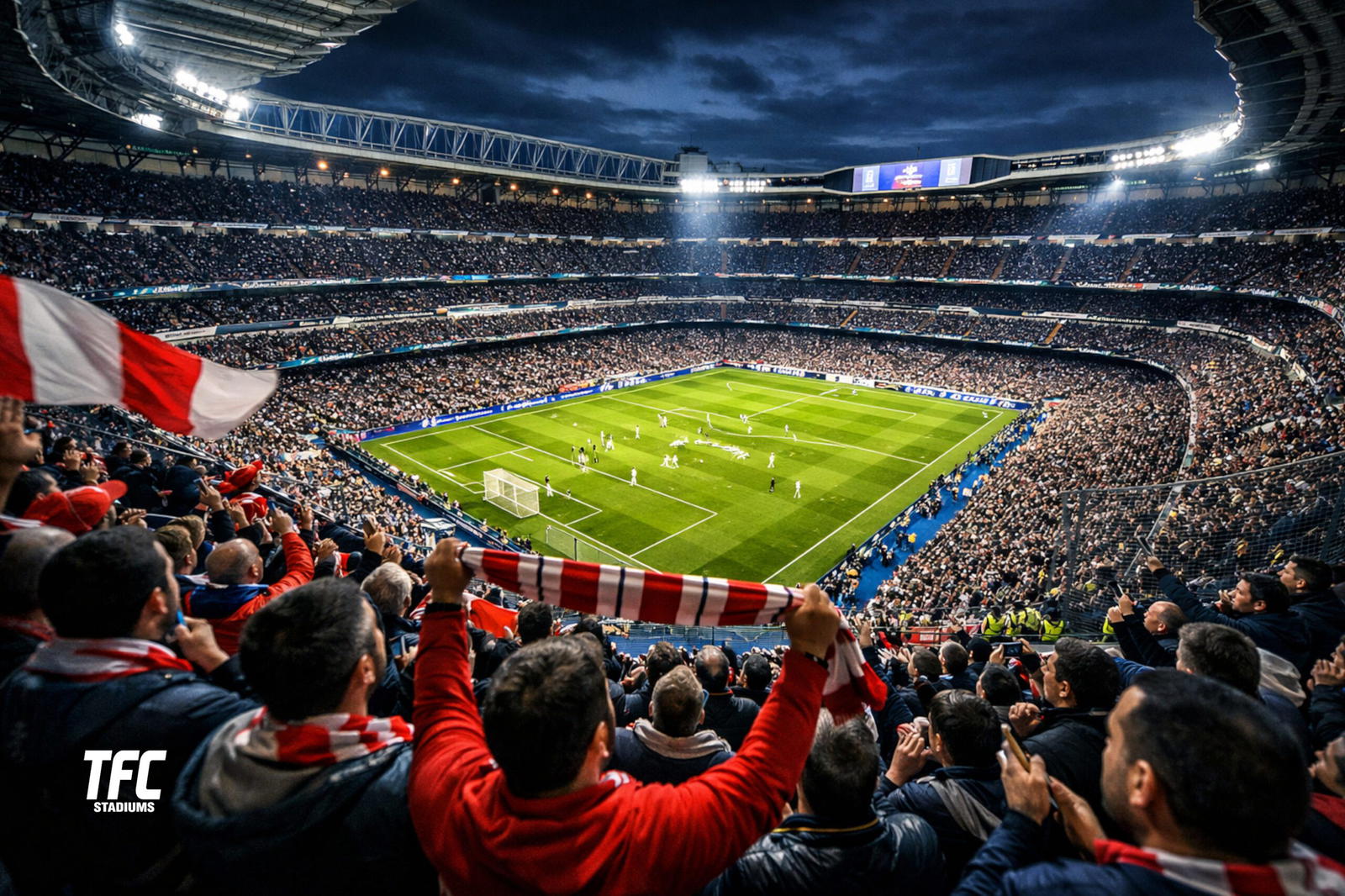
The psychological impact of a major football stadium is often measured by the collective behavior of its spectators. For decades, the Santiago Bernabéu in Madrid and the Camp Nou in Barcelona have served as the primary archetypes for this phenomenon. These venues are not merely sporting grounds but cultural cathedrals where the atmosphere is a central component of the matchday experience.

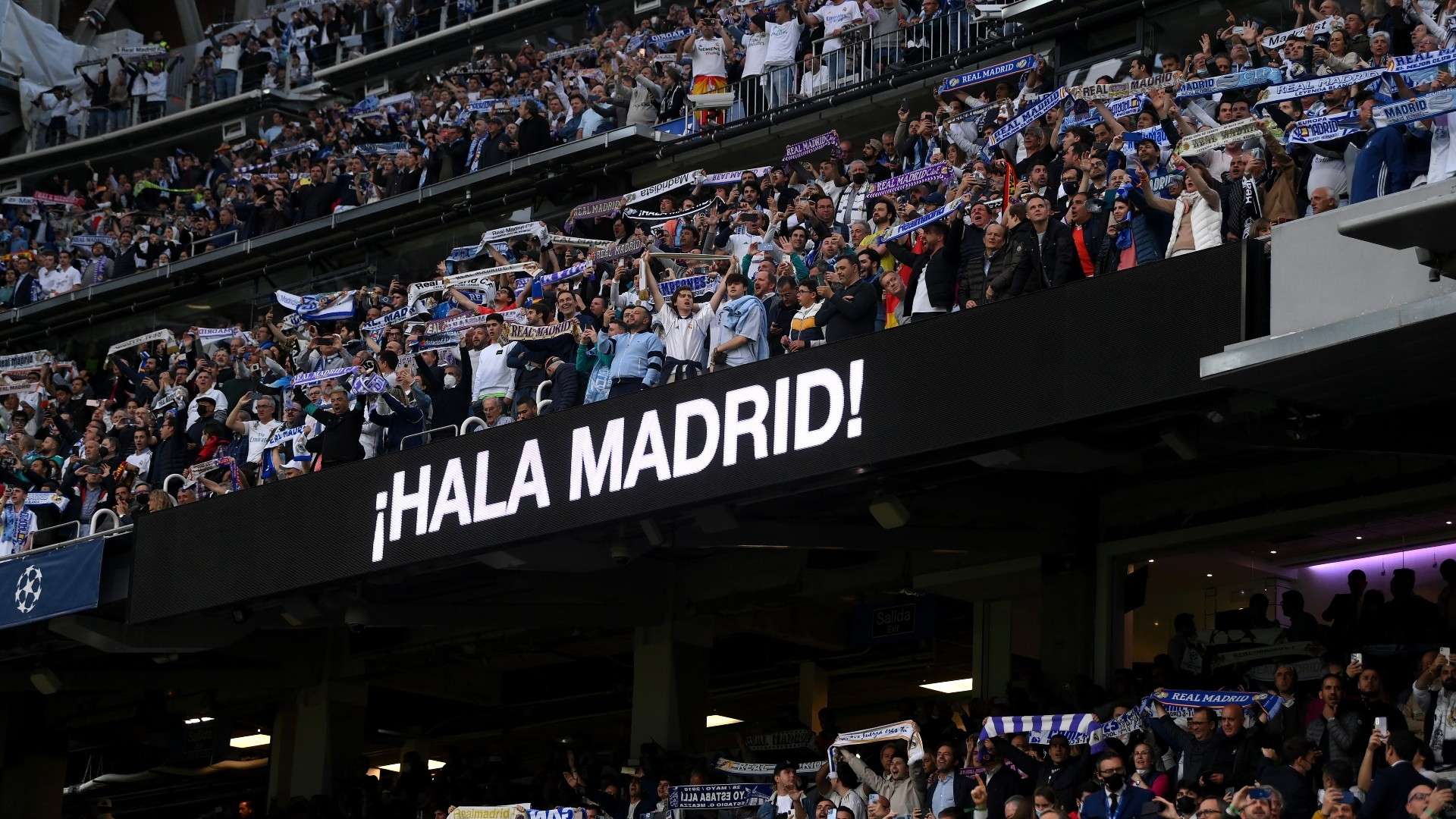
At the Santiago Bernabéu, the experience is often defined by the rhythmic chanting of “Hala Madrid y nada más,” the official anthem of Real Madrid CF. This collective vocalization, supported by tens of thousands of fans, creates a pressurized environment that is often cited by players and analysts as a decisive factor in home-field advantage. According to reports on stadium dynamics, the sheer volume and synchronization of such crowds can influence the psychological state of both competing athletes and officials.
The scale of these events is significant. While the capacity of the Santiago Bernabéu has seen recent renovations to enhance spectator experience, it historically accommodates approximately 80,000 to 85,000 fans, while the Camp Nou has traditionally held nearly 100,000. When a match reaches a crowd density of 68,000—a figure often seen in major international fixtures or high-stakes continental matches—the resulting acoustic and emotional energy is frequently compared to the elite Spanish “meccas.”
Why Numerical Rankings Often Fail to Capture Sporting Essence
In the modern era, football is increasingly governed by data, including FIFA rankings, Elo ratings, and advanced metrics like Expected Goals (xG). However, a growing segment of the footballing community argues that these numbers fail to account for the “soft power” a nation exerts through its style of play and cultural exports.
The question of “so what?” regarding a second-place ranking touches on a fundamental aspect of sports sociology. A team ranked second in the world may possess a higher statistical probability of winning certain matches, yet they may lack the cultural gravity that defines a true footballing superpower. For instance, Spain’s influence on the global game through the “tiki-taka” era demonstrated that even when a team is not the undisputed number one in every metric, their tactical philosophy can reshape how the sport is played globally.
Analysts note that rankings are inherently reactive, reflecting past performance rather than future potential or cultural depth. A nation’s standing in a ranking can fluctuate based on a single tournament cycle, whereas the cultural infrastructure—the academies, the domestic league prestige, and the fanatical supporter bases—remains a constant driver of influence. This distinction is critical when evaluating the long-term impact of a footballing nation on the global market and the sport’s evolution.
The Global Spread of High-Intensity Matchday Culture
The phenomenon of massive, high-intensity crowds is no longer confined to Western Europe. Recent years have seen a significant expansion of footballing passion in other regions, with stadiums in the Middle East and Asia increasingly replicating the atmosphere traditionally associated with the Spanish giants.
When 68,000 spectators gather to sing anthems and create a unified wall of sound, the result is a standardized “global football language.” This atmosphere serves several functions:
- Commercial Value: High-intensity atmospheres increase the broadcast appeal of matches, driving up media rights value.
- Psychological Pressure: The “stadium effect” is a documented variable in high-stakes competition, impacting player performance and decision-making.
- Cultural Identity: For emerging footballing nations, replicating the atmosphere of the Bernabéu or Camp Nou is a way to signal their arrival on the global stage.
This globalization of atmosphere means that the “Spanish style” of matchday engagement is becoming a universal expectation for top-tier football. As clubs and nations invest more heavily in stadium infrastructure and fan engagement, the gap between “ranked” success and “cultural” presence begins to narrow.
Key Comparisons: Ranking vs. Cultural Influence
| Metric | Numerical Ranking (e.g., FIFA) | Cultural Influence (e.g., “The Soul”) |
|---|---|---|
| Primary Driver | Match results and points accumulated. | Style of play, history, and fan engagement. |
| Stability | Highly volatile; changes frequently. | Long-term; built over decades. |
| Perception | Objective, mathematical, and clinical. | Subjective, emotional, and visceral. |
| Global Impact | Determines tournament seeding. | Determines brand value and popularity. |
The following checkpoint will monitor the impact of upcoming international tournament cycles on these global rankings. Official updates regarding FIFA’s monthly ranking adjustments are expected following the conclusion of the next major continental championship.
What do you think? Does a team’s ranking truly define their greatness, or is the atmosphere of the stadium the ultimate judge? Share your thoughts in the comments below and share this article with your fellow supporters.
Worth a look