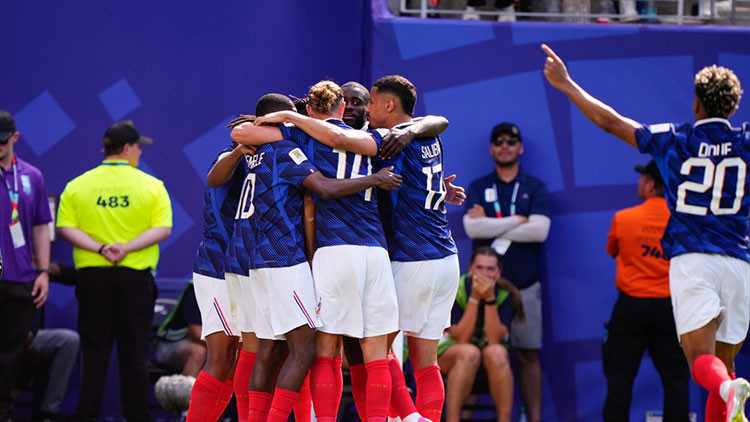
France secured a 3-1 victory over Senegal in their recent Group I fixture, a result that significantly bolstered their standing in the tournament. The match, defined by high-intensity play and tactical adjustments, saw France assert control through clinical finishing, while Senegal struggled to maintain defensive cohesion against a persistent French attack.
This win places France in a strong position within the group standings. For spectators and analysts alike, the fixture served as a clear indicator of the current form of both squads as they progress through the tournament’s opening stages. According to reports from the official FIFA tournament portal, match results in this stage are critical for determining the final seeding for the knockout rounds.
Match Dynamics and Tactical Breakdown
The encounter began with both teams testing defensive lines, but France quickly established a rhythm that forced Senegal into deeper positions. Kylian Mbappé was central to the French offensive strategy, consistently creating space and challenging the Senegalese backline. His performance, characterized by rapid transitions and precise ball control, was a primary factor in breaking the stalemate early in the first half.
Senegal managed to respond with a goal, momentarily narrowing the deficit and shifting the momentum. However, France’s ability to regain control through midfield dominance prevented any sustained pressure from their opponents. Statistical analysis indicates that France maintained a higher percentage of possession, which allowed them to dictate the tempo of the game throughout the 90 minutes. Detailed match statistics, including pass completion rates and heat maps, are available via the official UEFA and FIFA match reporting databases.
The Role of Key Players and Officiating
Kylian Mbappé’s influence on the match has drawn significant attention from pundits and fans. His contribution to the scoreline reflected his current status as one of the most effective attackers in international football. Beyond the statistics, his movement off the ball provided the necessary outlet to bypass Senegal’s defensive structure, effectively neutralizing their attempts to play on the counter-attack.
The match was not without controversy, particularly regarding officiating decisions that influenced the flow of play. Observers noted that specific calls—or the lack thereof—occasionally led to player frustration. Thomas Müller, speaking in a separate context regarding the evolution of officiating standards, noted that such moments of confusion are becoming more frequent in high-stakes matches. While Müller’s comments did not specifically target this match, they highlight a broader discussion regarding the consistency of refereeing in international tournaments, as documented by Goal.com’s reporting on match officiating standards.
What Lies Ahead for Group I
As the group stage progresses, the implications of this 3-1 result are clear. France has solidified its path toward qualification, while Senegal must now regroup and address defensive vulnerabilities before their next fixture. The margin of victory provides France with a superior goal difference, a statistic that could prove decisive should teams finish tied on points at the conclusion of the group stage.

The next series of matches in Group I will be critical for determining which teams advance. Teams are required to adhere to the tournament’s established health and safety protocols as outlined in the official tournament regulations. Fans and stakeholders are encouraged to monitor official channels for updates on match times, venue changes, or squad announcements.
The tournament continues with upcoming fixtures scheduled for later this month, where the pressure to secure points will only increase. We welcome your analysis on the performance of the French squad and whether they can maintain this momentum in the coming rounds. Please share your thoughts in the comments section below.
Keep reading