
Mexican drug cartels are increasingly exerting influence over criminal activities in Quebec, imposing strict codes of silence and operational discipline on local street gangs. Law enforcement agencies in Canada have identified a shift in the traditional hierarchy of organized crime, as international syndicates move to secure supply chains for synthetic drugs and cocaine reaching the North American market.
According to the Royal Canadian Mounted Police (RCMP), the presence of transnational criminal organizations in Canada is directly linked to the global distribution of illicit substances. These cartels operate by establishing partnerships with local entities, often demanding absolute discretion to minimize police intervention. The strategy effectively forces local criminal networks to adopt “omertà-style” silence, as the economic stakes for maintaining cross-border drug routes continue to rise, with record-breaking seizures of fentanyl and other opioids reported by the Canada Border Services Agency (CBSA) over the last fiscal year.
The Evolution of Cartel Influence in Canadian Provinces
The integration of Mexican cartel influence into the Quebec criminal landscape represents a change in how illicit markets are managed. Rather than operating as distinct, competing entities, these organizations now function as primary suppliers, dictating the terms of engagement for local distributors. This shift has been noted by analysts who track organized crime, such as those at the Public Safety Canada, who maintain that foreign-based syndicates prioritize the stability of their distribution networks above all else.

The requirement for silence is a tactical necessity for these groups. By minimizing public violence and high-profile criminal disputes, cartels aim to avoid the increased law enforcement scrutiny that typically follows major incidents. This “quiet” approach allows for the sustained movement of contraband through established logistical channels, which often involve complex maritime and land-based smuggling routes. The Department of Justice Canada has highlighted that such clandestine operations are designed to bypass traditional detection methods, making investigations significantly more resource-intensive for provincial authorities.
How Local Gangs Adapt to External Directives
Local gangs in Montreal and across Quebec are increasingly finding themselves in a subordinate position to these international actors. The dynamic typically involves local groups providing the infrastructure for retail distribution while adhering to protocols set by the cartels. This includes the management of “stash houses,” the handling of financial transactions, and the enforcement of silence regarding the origin of the product.

Failure to comply with these directives can lead to severe consequences, as the cartels employ a rigid system of accountability. Investigations by the Service de police de la Ville de Montréal (SPVM) into recent spikes in local drug-related violence have revealed that internal conflicts are often settled with lethal force when the “business” of the cartel is threatened. The authorities emphasize that these organizations are not merely supplying drugs; they are exporting a model of control that relies on intimidation and the systematic elimination of those who compromise the group’s security.
Law Enforcement Strategies and Future Oversight
Canadian authorities are responding to this heightened threat by strengthening inter-agency cooperation. The Integrated Market Enforcement Teams and similar task forces are now focusing on the financial trail left by these operations. By targeting the money laundering networks that move profits back to the cartels, police aim to disrupt the economic foundation of these criminal partnerships. The goal is to make the cost of doing business in Quebec too high for the cartels to sustain.
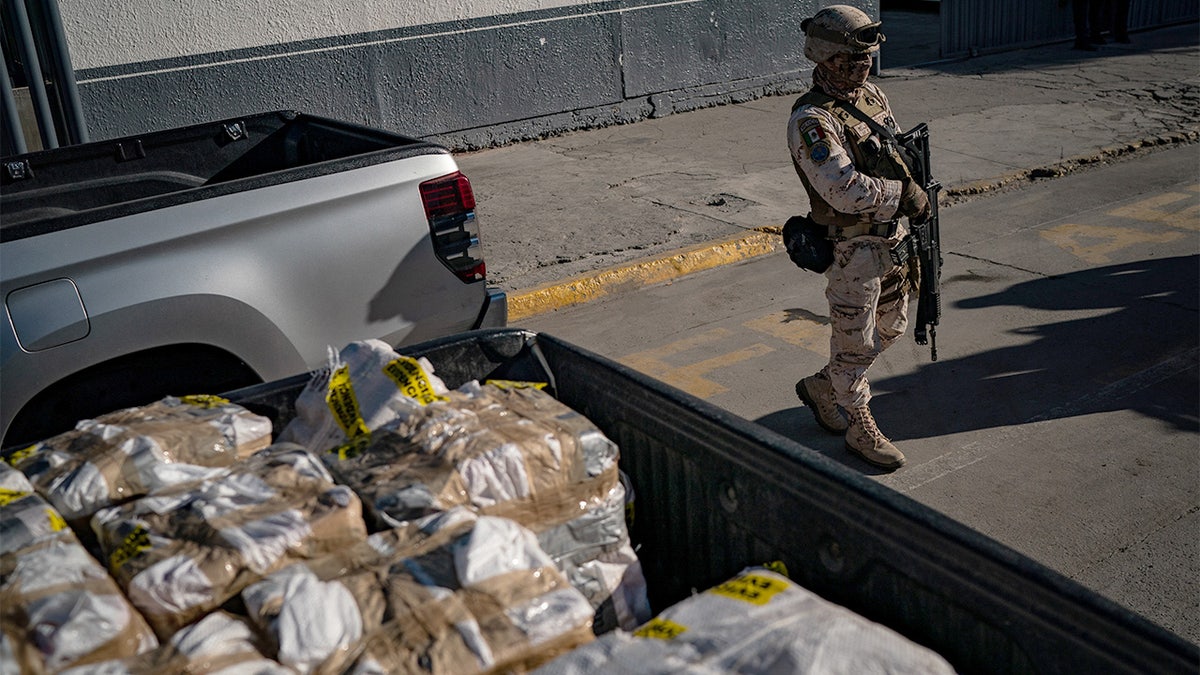
The next major checkpoint for these investigations will likely come during upcoming court proceedings involving major narcotics seizures, where prosecutors are expected to present evidence linking local distribution networks directly to Mexican sources. These trials often provide the most granular look at how these international syndicates operate within Canadian borders. For the public, the situation underscores the ongoing challenges of border security and the necessity of continued funding for regional anti-gang units. Readers are encouraged to share this report and monitor official police bulletins for updates on community safety measures.