
International travelers and sports fans visiting the United States have identified “free refills” and high levels of service hospitality as significant cultural distinctions. Influencer Leah Ray recently documented these observations in Dallas, Texas, noting that the ability to obtain multiple servings of a single purchase provides a unique value proposition for consumers during major sporting events. These observations highlight a broader divergence in consumer culture between North American and European service industry standards.
The phenomenon of unlimited refills has become a focal point for travelers experiencing American hospitality during high-traffic periods, such as international soccer tournaments. While many European markets operate on a “per-serving” model, the American service economy frequently utilizes a “value-added” approach, where a higher initial price point often includes the right to multiple refills. This distinction is particularly visible in the casual dining and outdoor event sectors across the United States.
What is driving the interest in American ‘free refills’?
The interest in the American refill model stems from the perceived economic value it offers during large-scale public gatherings. During recent sporting events in Dallas, Texas, influencer Leah Ray reported experiencing this firsthand. Ray noted that while certain items, such as frozen mixed beverages at outdoor events, may carry a high initial price tag—cited at approximately $30 per unit—the inclusion of “free” refills significantly alters the consumer’s cost-per-serving calculation.

From a consumer behavior perspective, this model shifts the focus from the immediate transaction to the total volume of goods consumed. For travelers accustomed to paying for every individual beverage, the American model represents a shift in how “value” is defined. In the United States, the ability to replenish a drink without additional charges can mitigate the perceived cost of premium-priced items at event venues. This practice is common in various sectors, ranging from fast-food chains to specialized event concessions.
This pricing strategy serves several functions within the US service economy:
- Customer Retention: Encourages consumers to stay longer at a venue or establishment.
- Perceived Value: Offsets high upfront costs by promising unlimited subsequent utility.
- Competitive Advantage: Distinguishes American dining experiences from international models that prioritize strict portion control.
How does US hospitality compare to international standards?
Beyond the mechanics of pricing and refills, international visitors have noted a distinct difference in the interpersonal aspects of American service. Leah Ray, observing the environment in Dallas while attending sporting matches, noted that American service providers often exhibit a high degree of friendliness and willingness to assist with inquiries. Ray communicated via the social media platform X that this contrasted with experiences in other countries, where she suggested tour guides or service staff could occasionally display less accommodating attitudes.

This perceived friendliness is a core component of the American “hospitality economy.” While cultural norms regarding service vary globally, the US industry often emphasizes proactive engagement and customer service as a primary driver of brand loyalty. This is frequently seen in both the tourism sector and the retail landscape, where staff are trained to provide high levels of assistance to both domestic and international patrons.
The variation in service styles can be categorized as follows:
| Feature | Typical US Service Model | Typical European Service Model |
|---|---|---|
| Beverage Policy | Frequent use of unlimited refills. | Strictly individual servings per order. |
| Staff Interaction | Emphasis on proactive friendliness and assistance. | Often more formal or transactional. |
| Value Proposition | Volume-based (more for the same price). | Quality/Portion-based (specific quantity per price). |
What does this mean for the US service industry?
The emphasis on refills and hospitality has significant implications for the operational costs and revenue models of American businesses. For the service industry, maintaining “free” refills requires precise inventory management and an understanding of consumer consumption patterns. While the cost of the additional liquid or product is low, the psychological impact of the “free” offering is a powerful marketing tool that drives foot traffic and consumer satisfaction.
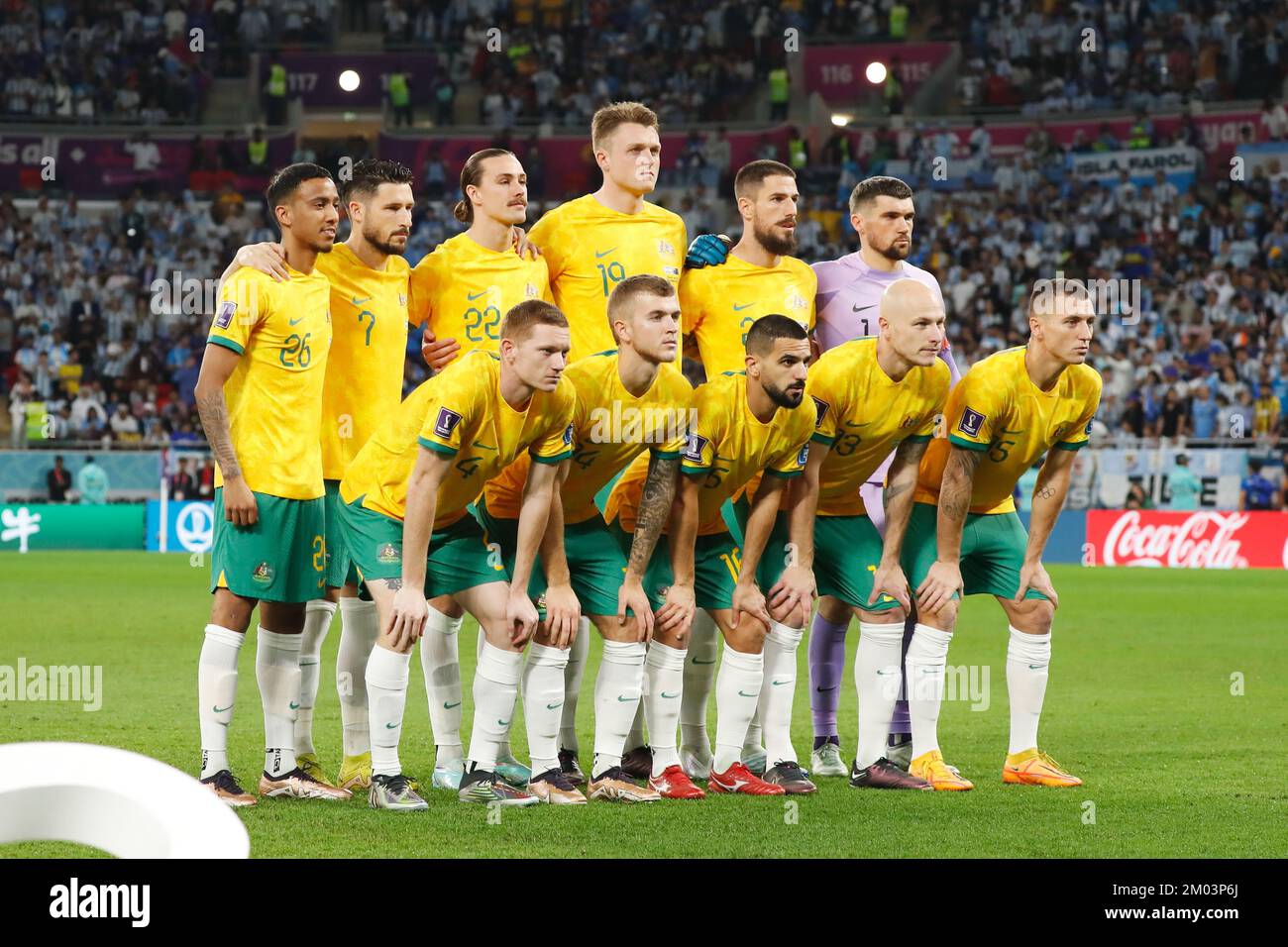
This model is particularly effective during major events, such as the World Cup or other international sports tournaments, where consumer spending is high and the desire for “value” is amplified by the scale of the event. Businesses that successfully balance the cost of refills with high-margin initial sales can see increased customer loyalty and higher overall spending per visitor.
As international tourism continues to fluctuate with global economic trends, the “experience” of American consumer culture—characterized by these specific service quirks—remains a significant draw for travelers. The combination of perceived abundance and accessible hospitality continues to define the American brand in the global tourism market.
Key Takeaways:
- Value Perception: High-priced items in the US often include refills to increase perceived consumer value.
- Cultural Contrast: International travelers frequently cite US hospitality and staff friendliness as a major differentiator.
- Economic Strategy: The refill model is a strategic tool used by the US service industry to drive engagement and volume.
Official updates regarding upcoming international sporting schedules and venue policies are typically released through official tournament organizers and local municipal tourism boards. For the most accurate information on event-specific concessions, travelers are encouraged to consult official venue websites.
What are your experiences with American service culture? Do you find the refill model provides genuine value? Share your thoughts in the comments below and share this article with your network.
Keep reading