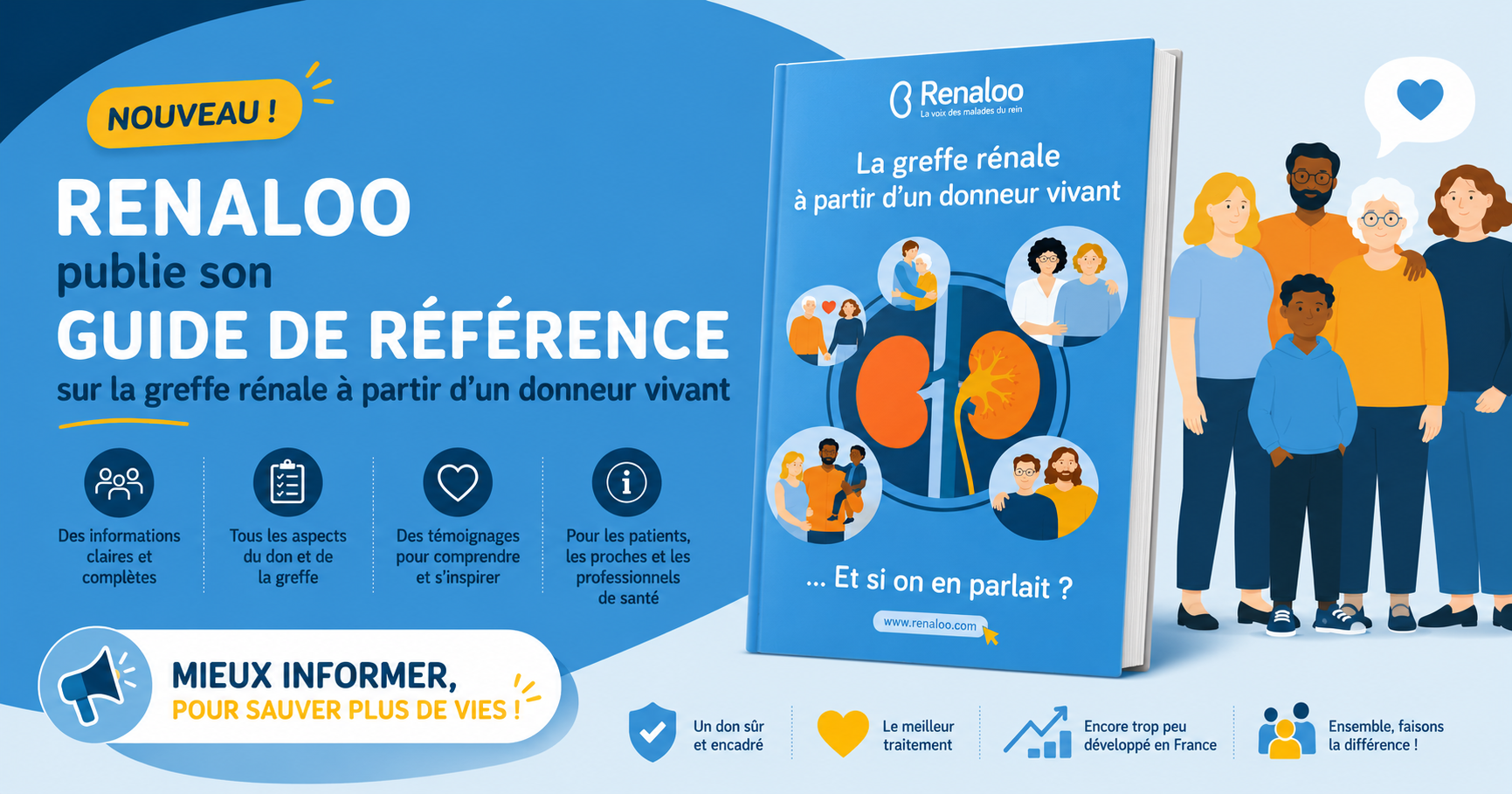
Living kidney donation remains a critical therapeutic option for patients with end-stage renal disease, offering superior long-term survival outcomes compared to deceased donor transplantation. To improve patient access to information and streamline the decision-making process, the patient advocacy organization Renaloo has released a comprehensive, updated reference guide dedicated to living kidney donation. This resource provides standardized, evidence-based guidance for potential donors, recipients, and their families navigating the complexities of the French transplantation system.
According to the Agence de la biomédecine, the French national authority overseeing organ procurement and transplantation, living donation is a strictly regulated process designed to prioritize the safety and long-term health of the donor. The new guide aims to clarify the legal, medical, and psychological steps involved in the process, which is governed by the French Public Health Code. By centralizing this information, the publication seeks to reduce the informational barriers that often prevent eligible candidates from considering living donation as a viable treatment path.
Understanding the Living Kidney Donation Process
A living kidney transplant involves the surgical removal of a kidney from a healthy donor and its implantation into a recipient whose kidneys have failed. Clinical data consistently shows that kidneys from living donors generally function longer and more reliably than those from deceased donors. The Haute Autorité de Santé (HAS) emphasizes that the evaluation phase is the most vital component of the process, ensuring that the donor is physically and mentally fit to undergo major surgery and live with a single kidney.
The process typically begins with a rigorous medical screening. Potential donors must undergo comprehensive testing, including cardiovascular assessments, renal function studies, and psychological evaluations, to ensure they do not face undue long-term health risks. Under French law, the donor must be a relative or have a close, stable emotional tie to the recipient, though the “cross-over” donation program allows for kidney exchanges when direct compatibility is not met. These safeguards are intended to prevent commercialization and ensure that the donation is entirely altruistic.
Legal Framework and Donor Protection
The legal protection of the donor is a cornerstone of the French transplant system. The Code de la santé publique mandates that a donor must provide free and informed consent before a multidisciplinary committee of experts. This committee, independent of the transplant team, verifies the medical necessity and the voluntary nature of the donation. The goal is to ensure that no pressure or coercion influences the decision.
Beyond the surgical procedure, the French healthcare system provides specific coverage for donors. All medical and surgical expenses related to the donation—including preoperative exams, the surgery itself, and postoperative follow-up—are fully covered by the national health insurance system. Furthermore, donors are legally entitled to compensation for loss of earnings during their recovery period. The Renaloo guide serves to demystify these administrative procedures, providing a clear roadmap for donors to access their rights and financial protections.
The Impact of Patient Advocacy on Transplant Rates
Advocacy groups play an essential role in bridging the gap between clinical teams and the patient community. By providing accessible, non-technical explanations of complex medical policies, these organizations help patients feel more empowered during consultations. The updated guide includes detailed sections on the postoperative recovery timeline, potential long-term follow-up requirements, and the emotional aspects of the donor-recipient relationship.
As of recent reports from the Agence de la biomédecine, living donation still accounts for a smaller percentage of total kidney transplants compared to deceased donation, despite its clinical advantages. Experts suggest that increased public awareness and clear, centralized information—like that provided in the new reference guide—are necessary to encourage more families to explore this option. The guide is currently available through the official Renaloo portal, offering both digital downloads and educational summaries for those currently on the transplant waiting list.
Next Steps for Patients and Families
For individuals currently exploring kidney transplantation, the next recommended step is to discuss the suitability of living donation with their nephrologist at their designated transplant center. Clinical teams are required to provide comprehensive information regarding the risks and benefits specific to each patient’s medical history. Patients are encouraged to review the official resources provided by the Agence de la biomédecine and consult with their care team to ensure they have the most recent guidelines regarding eligibility and hospital-specific protocols.

For further updates on transplantation policies and patient resources, readers are encouraged to monitor the official announcements from the Agence de la biomédecine. We invite our readers to share their experiences or questions regarding the kidney transplant process in the comments section below, fostering a community-driven discussion on health literacy and patient empowerment.