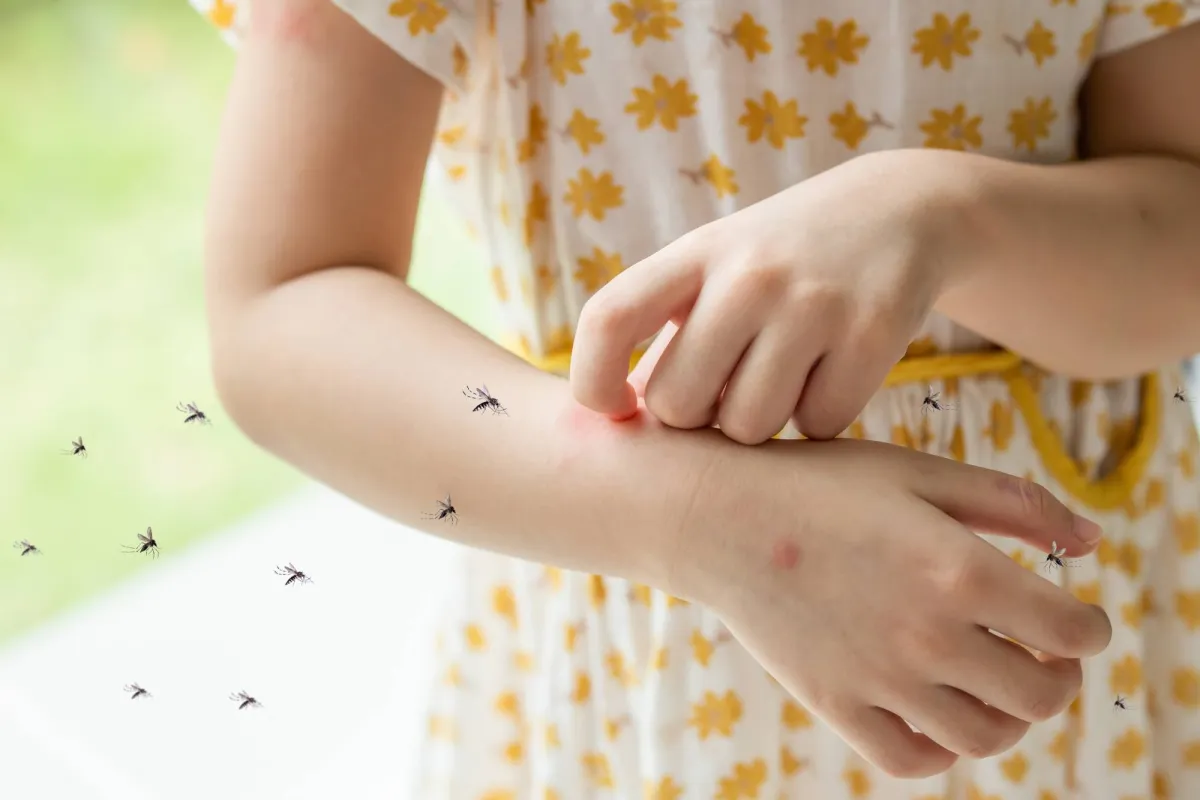
Mosquitoes exhibit a distinct preference when selecting human hosts, a phenomenon largely driven by individual chemical signatures and physiological traits rather than chance. Research indicates that specific volatile compounds emitted through the skin, combined with carbon dioxide exhalation and body temperature, create a unique “attraction profile” that makes some individuals more susceptible to bites than others, according to findings published in Current Biology.
For those frequently targeted by these insects, the underlying cause is rarely singular. Instead, it is a complex interaction between human biology and the mosquito’s highly evolved sensory system. As a physician, I often explain that while we cannot change our genetic predisposition, understanding these biological markers helps in implementing more effective protection strategies against vector-borne diseases.
The Role of Skin Microbiome and Chemical Signatures
The primary reason mosquitoes differentiate between hosts lies in the chemical composition of human sweat. Research conducted by The Rockefeller University demonstrates that individuals who produce higher levels of specific carboxylic acids—such as butyric, isovaleric, and lactic acids—tend to be more attractive to Aedes aegypti mosquitoes. These substances are byproducts of the skin microbiome, the collection of bacteria that naturally reside on the surface of human skin.

The skin microbiome acts as a chemical factory, breaking down sebum and other secretions into volatile organic compounds (VOCs). A study published in the journal Scientific Reports notes that while these compounds are largely invisible to the human nose, they serve as long-range olfactory signals for mosquitoes. Because the composition of the microbiome is influenced by genetics, diet, and environment, an individual’s “scent profile” is relatively stable over time, explaining why some people report being “mosquito magnets” throughout their lives.
Carbon Dioxide and Thermal Cues
Beyond chemical scents, carbon dioxide (CO2) serves as a primary long-range attractant. Mosquitoes are capable of detecting CO2 plumes from significant distances. According to the Centers for Disease Control and Prevention (CDC), individuals with higher metabolic rates, those who are exercising, or people with larger body mass tend to exhale more carbon dioxide, making them easier targets for mosquitoes navigating their environment.
Once a mosquito is in close proximity, it utilizes thermal sensors to locate exposed skin. Body heat acts as a secondary cue that confirms the presence of a viable blood meal. When combined with the high levels of CO2 and specific skin odors, a host becomes significantly more attractive. This is why individuals who are physically active outdoors during dusk or dawn—the peak activity times for many mosquito species—are often bitten more frequently than those remaining sedentary.
Does Blood Type Influence Attraction?
The theory that blood type influences mosquito attraction remains a subject of ongoing investigation, though evidence is often overstated. A study published in the Journal of Medical Entomology suggested that Aedes albopictus mosquitoes showed a slight preference for individuals with Type O blood compared to Type A. However, the researchers emphasized that the difference was marginal and likely secondary to other factors like CO2 emission and skin chemistry.

It is important to clarify that blood type alone is not a reliable predictor of bite frequency. The World Health Organization (WHO) reinforces that the primary drivers for mosquito-human interaction are environmental and physiological, such as the proximity of breeding sites and the use of personal protective measures, rather than an individual’s blood group.
Practical Protection Strategies
While an individual cannot alter their genetic skin chemistry, mitigating the factors that attract mosquitoes is possible. Public health guidelines recommend several evidence-based approaches to reduce the risk of bites:
- Use EPA-Registered Repellents: Products containing DEET, picaridin, or oil of lemon eucalyptus are proven to mask the chemical signals that mosquitoes use to locate hosts, according to the U.S. Environmental Protection Agency.
- Wear Protective Clothing: Covering skin with light-colored, long-sleeved shirts and pants reduces the surface area available for landing and biting.
- Environmental Management: Eliminating standing water around the home prevents the breeding of mosquito larvae, which is the most effective way to lower the local mosquito population.
As we move into warmer seasons, monitoring local health authority advisories regarding mosquito-borne illnesses—such as West Nile virus or Dengue fever—remains essential. For residents in endemic areas, staying updated on local vector control programs is a vital step in personal safety. Readers are encouraged to share their experiences or questions regarding effective repellents in the comments below, as we continue to track developments in medical entomology and public health policy.