
James Burrows has directed more successful multi-camera sitcoms than any other individual in television history, a feat that has earned him the respect of Hollywood’s most prominent comedic actors. From the character-driven streets of Taxi to the iconic setting of Cheers and the global phenomenon of Friends, Burrows’ work has defined the rhythm and structure of the modern sitcom. Peers and former collaborators, including Lisa Kudrow, Tony Danza, and Sean Hayes, have frequently cited his direction as a foundational element of their comedic success.
The director’s influence spans several decades, during which he helped refine the multi-camera format, a style characterized by multiple cameras filming a live studio audience simultaneously. This method requires precise timing and a deep understanding of ensemble dynamics, skills that Burrows utilized to shape the careers of dozens of television legends. His ability to balance individual character beats with the broader energy of a live audience has made him a standard-bearer for the genre.
The Architect of the Multi-Cam Sitcom Era
Burrows’ career is inextricably linked to the evolution of the multi-camera format. Unlike single-camera comedies that use a cinematic approach, multi-cam sitcoms rely on the immediate feedback of a live audience to dictate comedic timing. According to industry records, Burrows mastered this interplay, creating a seamless connection between the actors’ performances and the audience’s laughter.
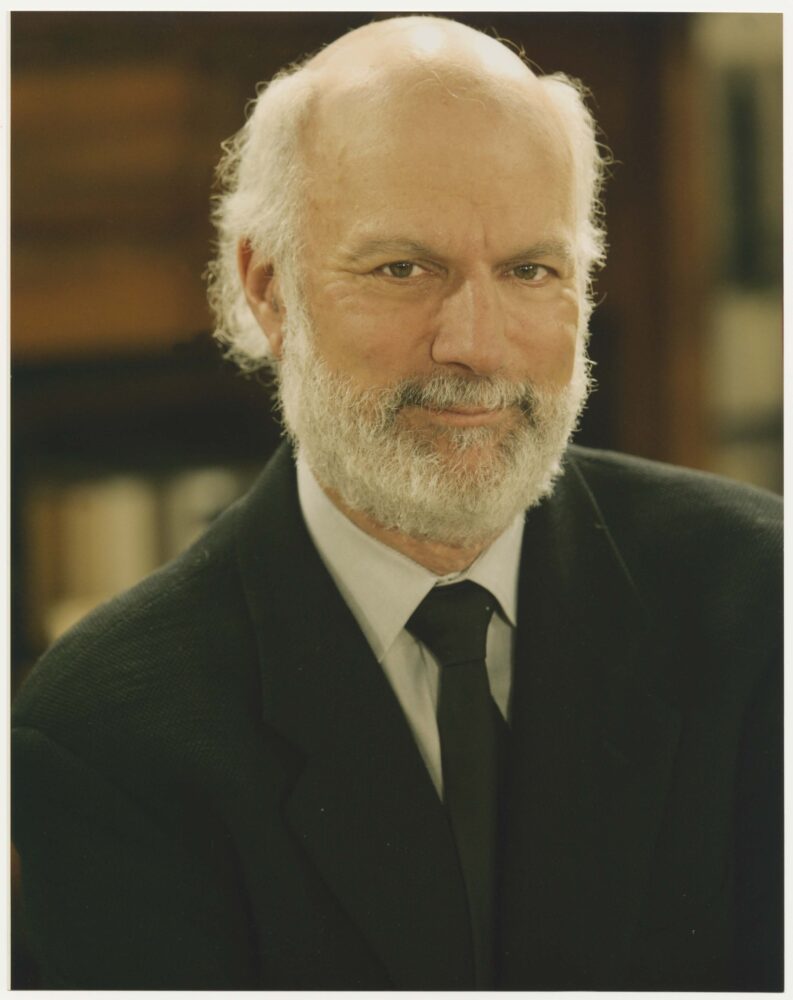
His work on Taxi (1978–1983) helped transition the sitcom from broad slapstick toward more nuanced, character-driven comedy. The show, which centered on a group of diverse characters working in a New York City cab company, required a director capable of managing both quick-fire dialogue and moments of quiet pathos. Burrows’ direction allowed the ensemble to feel like a cohesive unit, a hallmark that would become his professional signature.
Following Taxi, Burrows moved to Cheers (1982–1993), a series that many television historians consider the pinnacle of the multi-camera ensemble. The show’s success was built on the chemistry of its cast, a chemistry that Burrows meticulously cultivated through his directing style. By focusing on the interpersonal dynamics within the bar setting, he helped create a sense of intimacy that sustained the series for 11 seasons.
Comparative Impact of Burrows’ Major Works
| Television Series | Primary Era | Directorial Focus | Cultural Impact |
|---|---|---|---|
| Taxi | Late 1970s – Early 1980s | Character-driven ensemble | Redefined the grit and realism possible in sitcoms |
| Cheers | 1980s – Early 1990s | Interpersonal ensemble dynamics | Set the standard for the “hangout” sitcom format |
| Friends | Mid 1990s – Early 2000s | Global ensemble chemistry | Propelled the multi-cam format to global dominance |
| Will & Grace | Late 1990s – Mid 2000s | High-energy comedic timing | Modernized the genre for a new decade |
Tributes from the Stars: Kudrow, Danza, and Hayes
The impact of Burrows’ direction is most clearly articulated by the actors who worked under his guidance. These performers have often described his sets as masterclasses in comedic precision. The tributes from these stars highlight different facets of his expertise, from the technical demands of the genre to the emotional support provided to an ensemble.

Lisa Kudrow, who rose to international fame as Phoebe Buffay on Friends, has often spoken about the unique environment Burrows created for the cast. In various interviews regarding the series’ legacy, Kudrow has noted how the direction helped the six leads maintain their individual identities while functioning as a single, tightly-knit unit. This balance was essential for the show’s longevity and its ability to resonate with audiences worldwide.
Tony Danza, a central figure in Taxi, has offered perspective on the intensity of working with Burrows. Danza has described the experience as both demanding and transformative, noting that Burrows’ high expectations pushed the cast to reach new levels of comedic timing. The pressure of performing for a live audience under Burrows’ watchful eye helped forge the professional discipline that Danza has maintained throughout his career.
Sean Hayes, known for his work on Will & Grace, has also credited Burrows with helping navigate the complexities of high-energy comedy. The series required a rapid-fire delivery and physical comedy that demanded absolute precision. Hayes has indicated that Burrows’ ability to manage that energy while keeping the characters grounded was a key component of the show’s success.
Technical Mastery of the Live Studio Audience
Directing a multi-camera sitcom is a technical discipline that requires more than just comedic sensibility. It involves managing multiple camera angles, lighting changes, and the unpredictable nature of a live audience. Burrows’ ability to command these elements allowed him to maintain a consistent tone across hundreds of episodes.
One of the primary challenges in the multi-cam format is the “blocking”—the precise movement of actors within the set to ensure they are captured perfectly by all cameras without obscuring one another. Burrows was known for his ability to choreograph these movements so that the comedy felt spontaneous, even though it was meticulously planned. This technique ensured that the audience’s attention was always directed toward the emotional or comedic core of a scene.
Furthermore, Burrows understood the psychological aspect of the live audience. He used the laughter not just as a reaction, but as a rhythmic element of the show. By timing pauses and beats to coincide with audience responses, he helped create a feedback loop that heightened the energy of the performance. This mastery of “the beat” is what many industry professionals cite when referring to him as a master of the craft.
The Enduring Legacy of a Comedy Legend
The transition of the television industry toward single-camera, cinematic comedies in the 2010s has changed the landscape of television, but the influence of the multi-cam era remains visible. The structures and character dynamics pioneered by Burrows continue to inform how modern writers and directors approach ensemble storytelling.

Burrows’ work serves as a blueprint for how to build a world within a limited set. Whether it was a bar in Boston or an apartment in Manhattan, he proved that a well-directed space could become a character in its own right. His ability to extract consistent, high-quality performances from a rotating door of talent has ensured that his work remains a subject of study for aspiring directors.
As the industry continues to evolve, the “Burrows style”—characterized by ensemble cohesion, rhythmic comedic timing, and a deep respect for the live audience experience—remains a definitive chapter in the history of American television. The tributes from his former cast members serve as a testament to a career that did more than just direct shows; it shaped the very language of television comedy.
For further updates on industry honors and upcoming television retrospectives, stay tuned to World Today Journal.
What is your favorite James Burrows-directed series? Share your thoughts and memories in the comments below.
Worth a look