
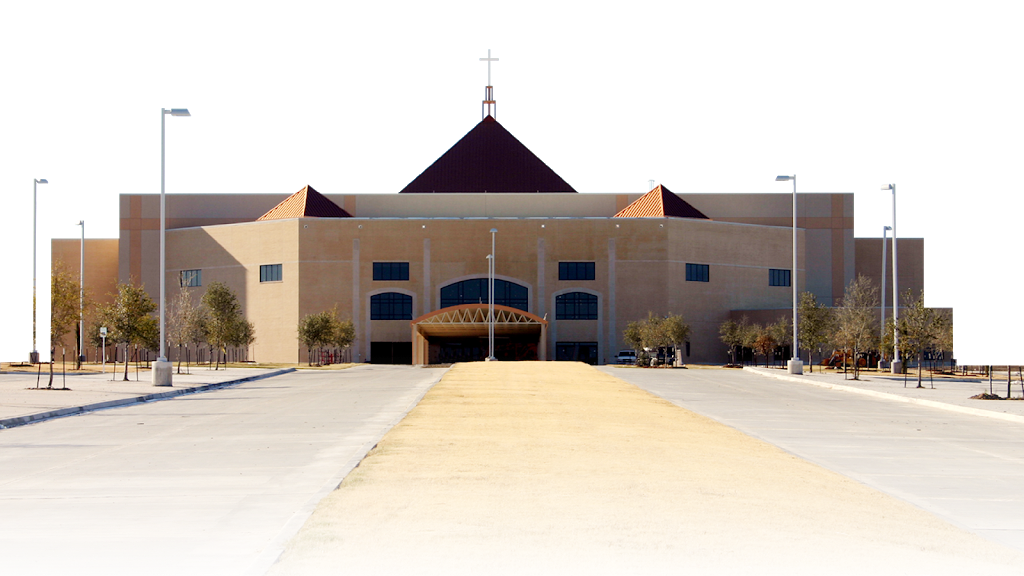
Friendship-West Baptist Church, a prominent megachurch located in Dallas, Texas, is recognized for its progressive social activism and long-standing role in the city’s religious and civic life. Led by Senior Pastor Dr. Frederick Douglass Haynes III, the congregation maintains a significant footprint in the Oak Cliff area, focusing on systemic issues such as economic inequality, food insecurity, and voting rights. The institution operates not only as a place of worship but as a hub for community advocacy, often mobilizing its membership to address local and national policy concerns.
The church’s identity is deeply rooted in the tradition of the Black Church, which historically serves as a catalyst for social change. According to the church’s official mission, the organization seeks to “change the world” through a commitment to social justice and biblical teachings. This approach has led the congregation to partner with various local organizations to combat urban challenges, including the “food desert” conditions prevalent in parts of Dallas, by establishing initiatives such as the People’s Farm, an urban agricultural project aimed at providing fresh, affordable produce to the surrounding neighborhood.
Historical Context and Leadership
The history of Friendship-West Baptist Church is closely tied to the ministerial career of Dr. Frederick Douglass Haynes III, who assumed the role of senior pastor in 1983. Under his leadership, the church evolved from a smaller congregation into a large-scale institution with thousands of members. Dr. Haynes is widely noted for his work as a civil rights advocate, following in the tradition of his predecessors and mentors. He has frequently been recognized for his efforts to bridge the gap between faith and political engagement, maintaining that the church has a moral obligation to influence public policy.
In 2023, Dr. Haynes was elected as the president of the Rainbow PUSH Coalition, a non-profit organization founded by the Reverend Jesse Jackson. This appointment solidified his role as a national figure in the civil rights movement, further elevating the profile of Friendship-West Baptist Church as a center for progressive activism. The church’s influence is often measured by its ability to draw national political figures to its pulpit, where they discuss issues ranging from criminal justice reform to economic empowerment, as reported by the Dallas Morning News.
Community Engagement and Social Justice Initiatives
Friendship-West Baptist Church distinguishes itself through active participation in local legislative and community-based agendas. The church has consistently taken positions on issues such as police reform, reproductive health access, and the mitigation of systemic poverty. Its social justice ministry acts as an organizing arm, frequently hosting town halls and voter registration drives to encourage civic participation among its congregants and the wider Dallas community.
The church’s approach to social justice is also reflected in its economic development strategy. By prioritizing investment in local businesses and addressing the lack of access to healthy food options, the church acts as a primary service provider in areas where government resources may be limited. According to a report by NBC DFW, the church’s efforts to address food insecurity have been a vital component of its ministry, particularly in the wake of economic downturns that disproportionately impact marginalized communities in South Dallas.
The Role of Progressive Theology
The theological framework of Friendship-West is characterized by “liberation theology,” which emphasizes the struggle for justice for the poor and oppressed as a central tenet of the Christian faith. This perspective guides the church’s public stance on a variety of social issues. Unlike more traditional or conservative evangelical churches, Friendship-West positions its religious practice within the context of contemporary struggle, arguing that faith must be demonstrated through tangible actions that improve the quality of life for the marginalized.
This progressive orientation has occasionally placed the church at the center of public discourse regarding the intersection of religion and politics in the United States. While the church remains a traditional Baptist institution in its liturgy and structure, its willingness to engage with secular political movements distinguishes it from other megachurches in the region. Observers often point to the church’s longevity and sustained membership growth as evidence of the resonance of this approach within the modern American landscape.
Looking Ahead
As of late 2024, Friendship-West Baptist Church continues to expand its outreach programs and maintain its position as a vocal advocate in the Dallas-Fort Worth area. The institution remains focused on its long-term goals of economic justice and community empowerment. Future updates regarding the church’s programs, community events, and leadership initiatives are regularly posted on the church’s official website. Those interested in the ongoing work of the congregation can monitor the church’s public announcements for upcoming town halls and social justice forums scheduled throughout the remainder of the year.
For more information on the church’s upcoming community events or to learn about their specific social justice campaigns, residents and interested parties are encouraged to visit the church’s online platform. We welcome your thoughts on the role of faith-based organizations in local civic life—feel free to share this report or contribute to the discussion in the comments section below.
Worth a look