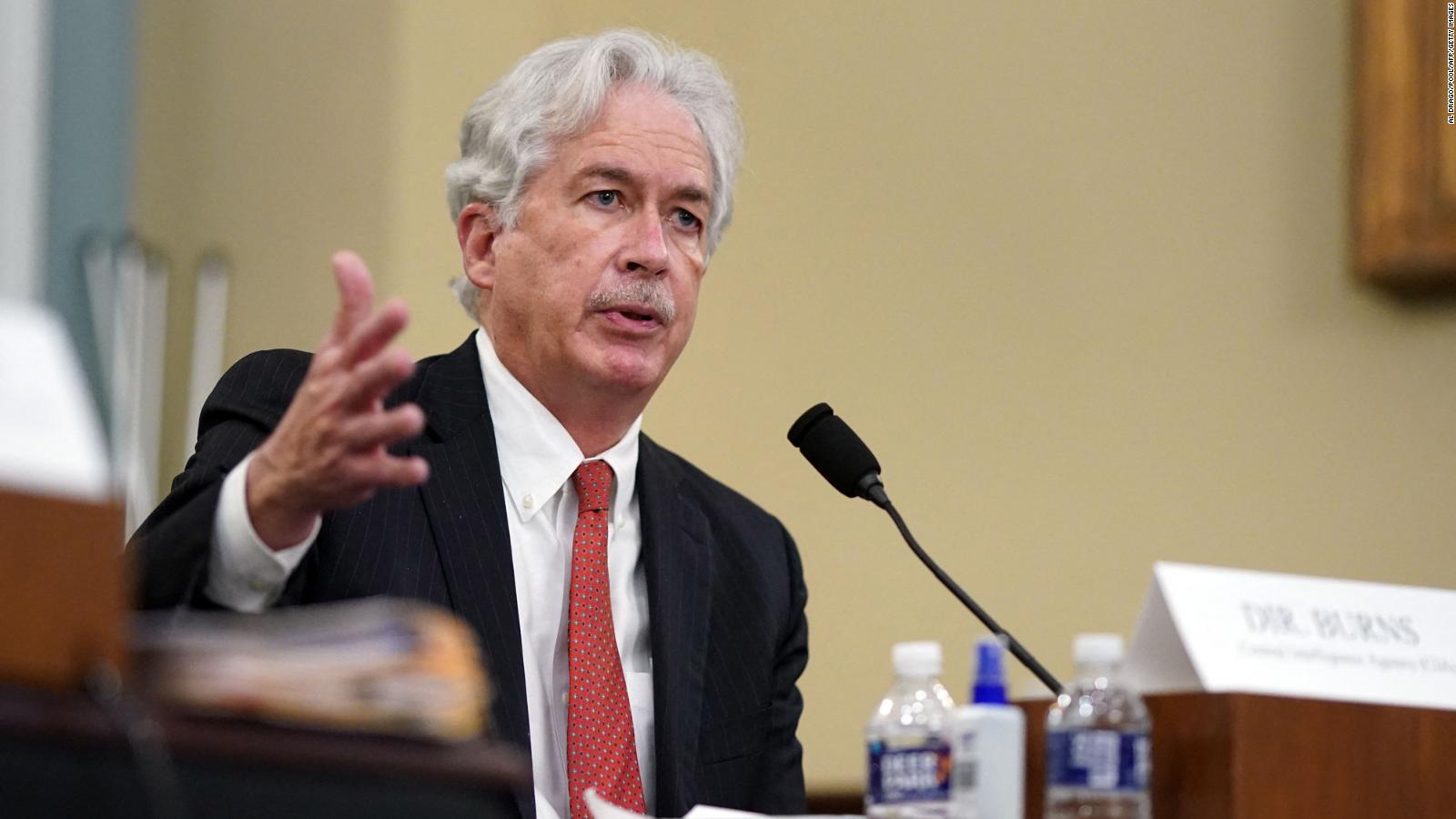
The Five Eyes intelligence alliance, led by the United States, utilized a strategy of preemptive declassification to expose Russia’s military preparations for the invasion of Ukraine. By making high-level intelligence public, the United States and its allies aimed to neutralize Kremlin “false flag” operations and provide early warning to the international community regarding Vladimir Putin’s intentions.
This unprecedented approach to intelligence sharing marked a significant shift in how Western nations utilize espionage data. Instead of keeping findings classified to protect sources and methods, the intelligence community moved to use information as a tool of public diplomacy to shape the global narrative before the first shots were fired.
The coordination involved the core members of the Five Eyes alliance—the United States, the United Kingdom, Canada, Australia, and New Zealand. This collective effort was designed to strip away the possibility of Russia using fabricated pretexts to justify a full-scale military offensive against Ukrainian sovereignty.
How did the Five Eyes intelligence alliance expose Russian plans?
In the months leading up to February 24, 2022, the intelligence community began a series of strategic disclosures. According to reporting by Reuters, Western officials began warning that Russia was massing troops near the Ukrainian border, specifically highlighting the potential for staged provocations.

The strategy focused on three primary objectives:
- Neutralizing False Flags: By publicly stating that Russia intended to stage attacks on Ukrainian territory to justify an invasion, the West made it harder for the Kremlin to use such events as a credible casus belli.
- Bolstering Ukrainian Resolve: The intelligence provided early warning to the Ukrainian government and its citizens, allowing for increased defensive preparations.
- Unifying International Response: Publicly verified intelligence provided a common factual baseline for NATO members and the European Union to coordinate sanctions and military aid.
Intelligence officials noted that this “preemptive declassification” was a direct response to the “hybrid warfare” tactics frequently employed by Moscow. By exposing the playbook before it could be executed, the Five Eyes alliance sought to diminish the effectiveness of Russia’s disinformation campaigns.
What role did CIA Director William Burns play in this intelligence strategy?
CIA Director William Burns has been a central figure in the intelligence-led diplomacy surrounding the conflict. His unique background, including his tenure as the U.S. Ambassador to Russia from 2001 to 2005, provided him with deep institutional knowledge of the Kremlin’s decision-making processes.
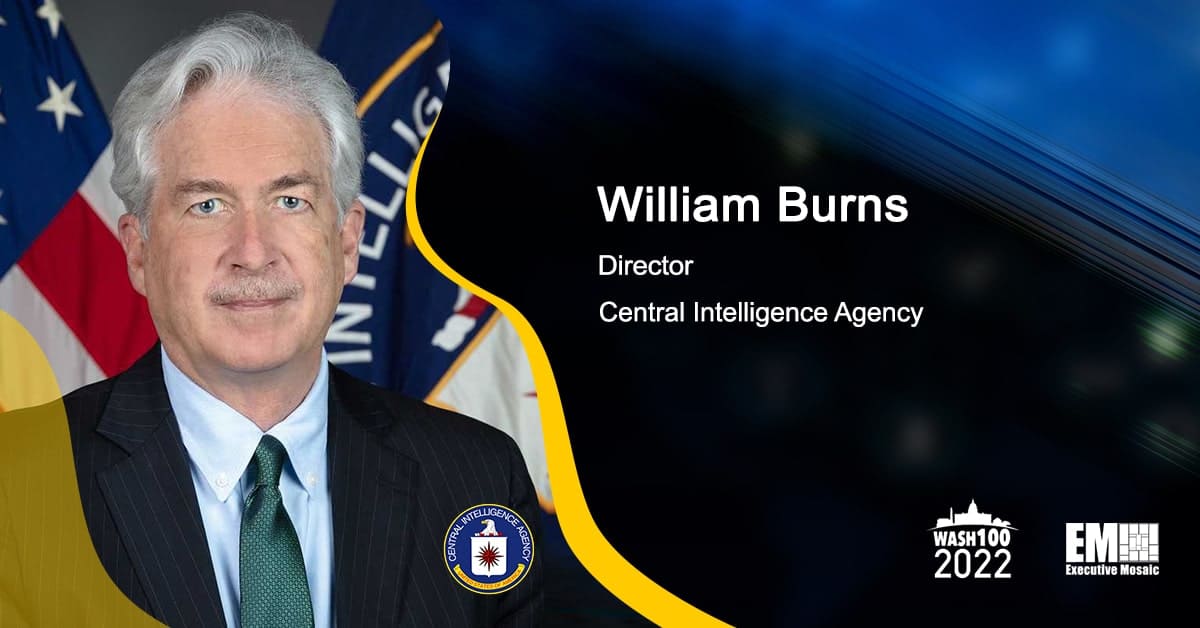
As the head of the Central Intelligence Agency, Burns oversaw the collection and analysis of the data that underpinned the U.S. government’s public warnings. Intelligence experts suggest that Burns’ ability to interpret the nuances of Russian political signaling was essential in determining when and how to release information to the public.
While the CIA traditionally operates in the shadows, the agency’s role in the Ukraine crisis involved a high degree of transparency. This shift was necessary to support the broader administration policy of using intelligence to build a global coalition. Burns’ expertise in Russian affairs allowed the U.S. to move beyond simple troop counts and instead offer insights into the strategic motivations driving the Russian leadership.
Why does preemptive declassification matter for global security?
The decision to release intelligence publicly represents a fundamental change in the doctrine of modern espionage. Traditionally, intelligence is a “silent” asset, used to inform policymakers behind closed doors to maintain a strategic advantage. The Ukraine crisis demonstrated that in an era of rapid digital disinformation, silence can be a liability.
When intelligence is withheld, an adversary can dominate the information space with competing narratives. By declassifying information regarding Russian troop movements and planned provocations, the Five Eyes alliance reclaimed the ability to set the facts of the situation. This “information warfare” component is now considered a standard part of modern geopolitical maneuvering.
However, this strategy carries significant risks. Declassifying information can “burn” sources and methods, potentially making it harder for intelligence agencies to collect similar data in the future. The decision to proceed suggests that Western leaders viewed the risk of a successful Russian disinformation campaign as greater than the risk of compromising specific intelligence capabilities.
Comparison of Intelligence Approaches
The following table contrasts the traditional model of intelligence usage with the preemptive model employed during the lead-up to the invasion of Ukraine.

| Feature | Traditional Intelligence Model | Preemptive Declassification Model |
|---|---|---|
| Primary Objective | Maintain secrecy and strategic advantage. | Shape public perception and deter aggression. |
| Timing of Release | Post-event or during active operations. | Prior to the event or planned action. |
| Primary Audience | Policymakers and military commanders. | The global public and international bodies. |
| Risk Factor | Loss of opportunity to act on secret data. | Compromise of sources and collection methods. |
What happens next for intelligence-led diplomacy?
As the conflict in Ukraine continues, the precedent set by the Five Eyes alliance is likely to influence how other regional powers approach intelligence sharing. The ability to use intelligence as a proactive diplomatic tool has become a centerpiece of Western security architecture.
Future developments will likely focus on how intelligence communities can better integrate with public communication strategies to counter emerging threats in the cyber and information domains. The effectiveness of this model will be measured by its ability to maintain the integrity of the information environment during periods of high geopolitical tension.
The next major checkpoint for this intelligence-led approach will be the upcoming security summits scheduled by NATO and the G7, where member states are expected to discuss continued intelligence synchronization and the evolution of declassification protocols in response to ongoing Russian activities.
We invite you to share your thoughts on the changing role of intelligence in modern warfare. Do you believe preemptive disclosure is an effective deterrent? Join the conversation in the comments below and share this article with your network.
Keep reading