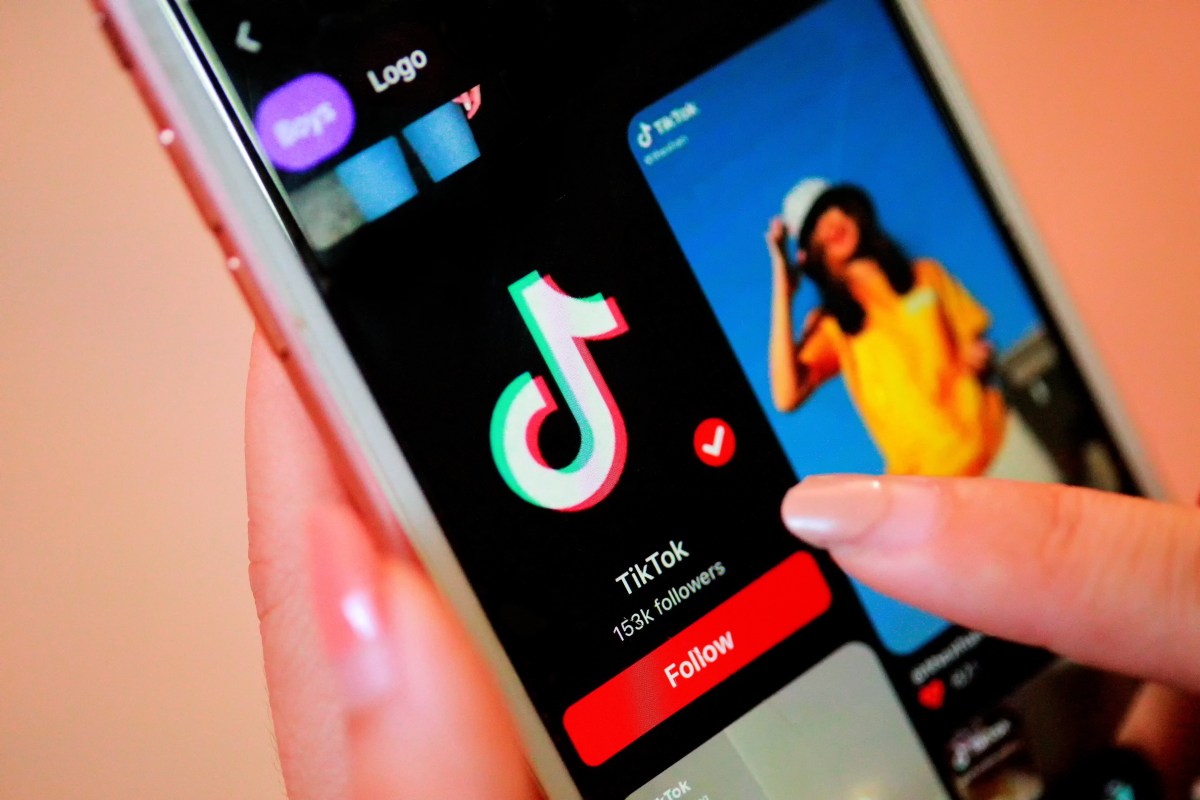
Users seeking to earn income while viewing content on TikTok often encounter various third-party applications and reward programs that promise financial compensation. While some platforms facilitate small-scale rewards through referral systems or promotional campaigns, financial experts and cybersecurity analysts warn that many services claiming to pay users for simply watching videos often lack regulatory oversight, carry significant privacy risks, or fail to meet their stated payout thresholds. According to the Federal Trade Commission, consumers should exercise extreme caution when encountering “get-rich-quick” schemes or apps that require sensitive personal data in exchange for minimal financial gain.
As a technology journalist with a background in software engineering, I have tracked the rise of “watch-to-earn” models that attempt to monetize user attention. These platforms generally function by aggregating traffic for ad-supported content, but the actual revenue shared with individual users is frequently negligible. Understanding the mechanics of these digital ecosystems is essential for users who want to avoid data harvesting and fraudulent schemes.
How Reward-Based Platforms Function
Most applications that claim to reward users for watching content operate on a micro-task model. These platforms act as intermediaries between advertisers and users, incentivizing engagement by offering points or virtual currency for every minute of video consumed. However, the Better Business Bureau notes that these systems often implement high minimum withdrawal requirements that many users never reach, effectively allowing the platform to retain the advertising revenue generated by the user’s activity.

Beyond the lack of consistent payout, these apps often request invasive permissions on mobile devices. Data privacy regulations, such as the California Consumer Privacy Act (CCPA), provide frameworks for how companies must handle consumer data, yet many international “watch-to-earn” apps operate outside these jurisdictions. Users should review the specific data-sharing policies of any application before granting access to contacts, location history, or device identifiers.
The Reality of Monetization on TikTok
It is important to clarify that TikTok itself does not provide a direct “pay-per-view” program for general users. While the platform offers the TikTok Creator Fund and various monetization tools, these are strictly reserved for content creators who meet specific eligibility requirements, such as a minimum follower count and a consistent history of original video production. The idea that casual viewers can generate a meaningful income simply by consuming content is not supported by the platform’s official terms of service.

When users encounter third-party websites or apps claiming that they can “unlock” earnings from TikTok viewing, they are likely interacting with affiliate marketing schemes or data-collection bots. These entities often use the TikTok brand name to build false credibility. According to the Cybersecurity and Infrastructure Security Agency (CISA), engaging with such platforms increases the risk of phishing attacks and identity theft, as these sites often require users to input login credentials or financial information to “activate” their accounts.
Identifying Legitimate Digital Income Opportunities
For those interested in legitimate ways to earn money online, the focus should be on platforms that utilize transparent payment structures and have a verifiable history of compensating users for tasks. Freelance marketplaces like Upwork or Fiverr allow individuals to monetize specific skills, such as video editing, graphic design, or content moderation, rather than relying on the passive consumption of media.
If a platform appears too good to be true, it likely is. Common red flags include:
- Requests for an upfront “activation fee” or investment.
- Lack of a clear, verifiable business address or contact information.
- Requirement to invite an unrealistic number of friends to reach a payout threshold.
- Extremely high earnings estimates for minimal, unskilled labor.
Security Best Practices for Mobile Users
Maintaining device security is paramount when exploring any app that promises financial rewards. Users should never provide banking information to unverified third-party services. If you choose to test a new application, consider using a secondary device that does not contain your primary email, banking apps, or sensitive personal documents. Furthermore, regularly auditing app permissions through your phone’s settings menu can help identify apps that are accessing data unrelated to their advertised function.
:max_bytes(150000):strip_icc()/the-us-federal-trade-commission--ftc--bu-71968930-e5e36febe53543aaa53329c6c17fc982.jpg "Security Best Practices for Mobile Users")
The FTC provides ongoing resources for consumers to report suspected fraud and learn about the signs of online scams. Staying informed about current cybersecurity trends is the most effective way to protect your digital identity while navigating the evolving landscape of online platforms.
As of late 2024, no regulatory body has validated the safety or financial viability of apps promising income for TikTok consumption. Readers are encouraged to monitor updates from the Federal Trade Commission regarding new consumer protection advisories. Have you encountered apps claiming to offer rewards for social media activity? Share your experiences in the comments section below to help our community stay informed and vigilant.
Related reading