
The real estate market in Ho Chi Minh City is undergoing a structural shift as development activity migrates away from the historically congested city center toward southern districts. Investors and developers are increasingly prioritizing the southern corridor, specifically District 7 and the Nha Be area, due to land availability and large-scale urban infrastructure projects that have effectively stalled in the city’s older, central business districts, according to reports from Savills Vietnam.
This geographic pivot represents a broader trend in the Vietnamese property sector. As regulatory scrutiny over land use and construction permits in the central core tightens, the southern periphery offers the necessary space for the integrated townships that currently define modern urban development in Southeast Asia. For international and domestic stakeholders, this movement is not merely a preference for space but a necessity driven by the limited pipeline of new projects in the historic center.
Infrastructure as the Primary Driver of Southern Growth
The shift toward the south is fundamentally anchored in massive public infrastructure investment aimed at improving connectivity between the city center and the southern suburbs. The expansion of the Nguyen Van Linh Parkway and the ongoing development of the Metro Line 4 project—which is slated to link District 12 through the center to the southern hub of Hiep Phuoc—have acted as catalysts for residential and commercial expansion, as noted by the Ho Chi Minh City Department of Planning and Architecture. Enhanced transit links have reduced commute times, making the southern districts viable options for the city’s growing middle-class demographic.
Furthermore, the southern region benefits from the “urban village” model, where developers create self-contained communities featuring schools, hospitals, and retail centers. This model mitigates the impact of the city’s chronic traffic congestion by providing essential services within a short distance of residential units. According to data from CBRE Vietnam, the absorption rate for high-end residential projects in District 7 has remained consistently higher than the city-wide average, reflecting strong buyer confidence in these master-planned environments.
Regulatory Hurdles in the Historic Core
The paralysis of new project development in the historic center—comprised largely of District 1 and parts of District 3—is primarily a consequence of complex land clearance procedures and stricter environmental and heritage preservation laws. As the local government attempts to manage high population density, approval processes for high-rise developments have slowed significantly. This regulatory environment has created a supply-demand imbalance, pushing property prices in the center to record highs while simultaneously limiting the volume of available units for new buyers.
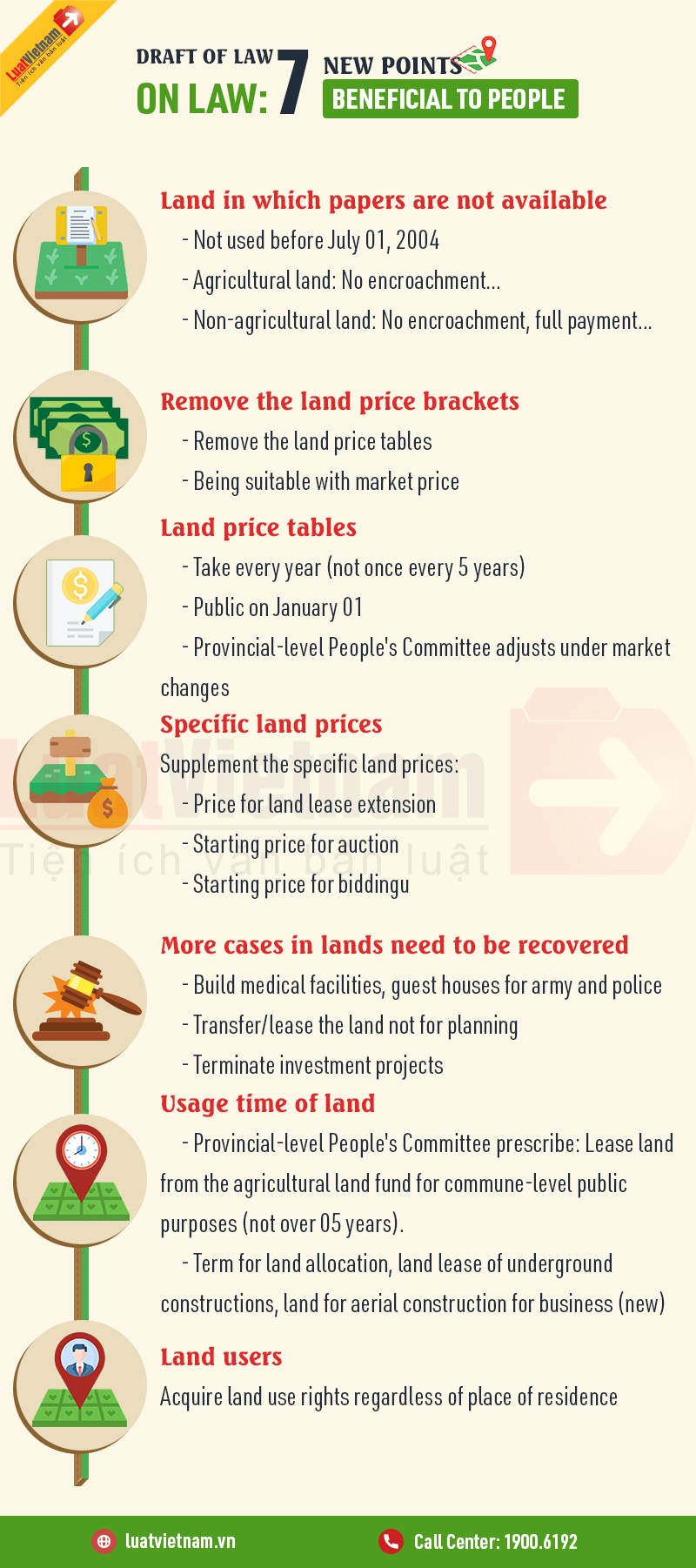
For institutional investors, the southern districts offer a more predictable timeline for project completion. The availability of larger land plots allows developers to bypass the intricate land consolidation challenges that frequently plague central city projects. The Vietnam Law and Legal Forum has highlighted that ongoing reforms to the Land Law are intended to streamline these processes, yet the practical reality remains that developers find the southern outskirts significantly easier to navigate from a legal and administrative standpoint.
Economic Implications for Future Investment
The movement toward the south is expected to continue as the city seeks to expand its footprint to accommodate a population that exceeds 9 million residents. This expansion is supported by the city’s master plan, which encourages the development of “satellite cities” to reduce the pressure on the central core. Economists suggest that this decentralization is essential for the long-term sustainability of the Ho Chi Minh City economy, as it allows for the development of new industrial and service-oriented zones that require larger footprints than the historic center can provide.
.jpg "Economic Implications for Future Investment")
Investors should monitor the upcoming updates to the Ho Chi Minh City Master Plan, which is expected to provide further clarity on the zoning and infrastructure development schedule for the next decade. As the city continues to integrate with the broader southern economic region, the role of districts like Nha Be and Binh Chanh is likely to evolve from suburban residential areas into critical nodes of commercial activity. Those looking to enter the market are advised to consult the latest official General Statistics Office of Vietnam reports for detailed data on regional GDP growth and real estate price indices before committing to long-term capital allocations.
The next major checkpoint for the region’s development will be the announcement of the next phase of the Ho Chi Minh City Metro expansion and potential amendments to the Land Law implementation decrees expected later this year. We welcome your insights on the evolving landscape of the Vietnamese property market; please feel free to share your thoughts or questions in the comments section below.
Worth a look