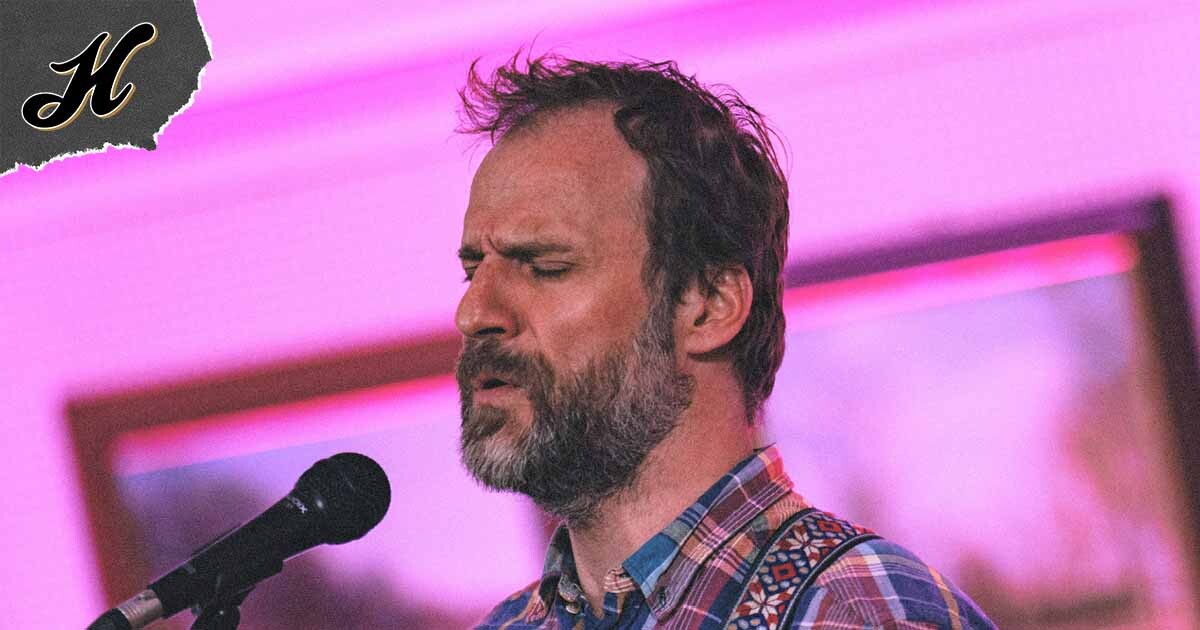
Czech musician Václav Havelka, known for his work with the project Selfish Shellfish, recently shared firsthand accounts of a challenging tour in the Negev Desert, describing an environment where security presence included armed guards. The experience, which influenced the development of his latest musical project, highlights the complexities of touring in politically sensitive regions and the long, often arduous process of bringing a concept album to life. The story behind his recent work serves as a reminder of how external environments and geopolitical realities can fundamentally shape artistic output.
The Negev Desert, which covers more than half of Israel’s land area, has long been a site of both significant environmental research and heightened security measures due to its strategic location, according to the Negev Development and Strategies Ministry. For artists traveling through such regions, the reality of the landscape often involves navigating strict security protocols. Havelka’s account underscores that the creative process is rarely isolated from the physical and political conditions of the places where the music is composed or recorded.
The Creative Evolution of a Concept Album
The genesis of a concept album often involves years of collection, reflection, and technical refinement. For Havelka, the journey from initial inspiration in the Negev to the final release of the record was a multi-year project. This timeline is consistent with the standard production cycles for independent artists, who often balance funding, logistical challenges, and creative shifts over extended periods, as noted by the International Federation of the Phonographic Industry (IFPI) in their analysis of modern music production trends.
Havelka’s work reflects a departure from traditional songwriting, opting instead for a narrative-driven approach that mirrors the intensity of his travel experiences. By integrating the atmosphere of the desert—a place defined by its vast, arid expanse—into his soundscapes, he creates a sonic environment that aims to translate the feeling of isolation and high-stakes surveillance into music. This method of “field-recording-as-inspiration” is a hallmark of his approach to the Selfish Shellfish project.
Navigating Security and Artistic Expression
The presence of armed personnel during the tour is a detail that speaks to the broader reality of traveling in regions designated as high-security zones. The Negev is home to several sensitive sites, including military installations and research facilities like those overseen by the Israel Atomic Energy Commission. For an artist, these surroundings are not merely backdrops; they are active components of the environment that dictate movement and interaction.

When artists perform in areas with a significant military or security presence, the logistical requirements often extend far beyond the typical concerns of venue booking and equipment transport. These conditions force a re-evaluation of the artist’s intent. Havelka’s willingness to discuss these challenges openly provides a rare look at the intersection of modern global music touring and the realities of regional security protocols.
Why the Negev Desert Remains a Focal Point
The Negev is not only a logistical challenge but also a source of deep cultural and geographic fascination. It is a region where climate change initiatives, such as those detailed by the Israel Ministry of Environmental Protection, are currently being tested on a massive scale. For listeners, understanding the context of where an album is born allows for a deeper appreciation of the music’s texture and emotional weight.

The “long story” of the album, as Havelka describes it, is ultimately a story of persistence. Whether navigating the bureaucratic hurdles of international travel or the creative difficulties of articulating a specific, localized experience, the project stands as a testament to the artist’s commitment to his vision. The album serves as a bridge between the listener and a place that many will only ever experience through the lens of news reports or, in this case, through the medium of experimental sound.
Looking Ahead: The Future of the Project
As the album moves into its promotional phase, the focus shifts from the production challenges to the reception of the work. There are no immediate follow-up tours announced for the specific region mentioned by Havelka, though he continues to perform at various European festivals and club venues throughout the year. Fans interested in the technical aspects of his recording process or the specific timeline of his upcoming appearances can find official updates through his verified social media channels and independent music platforms.
The music industry continues to evolve, with artists increasingly using their work to document their personal responses to global events. By sharing the reality of his time in the desert, Havelka invites a broader conversation about how we perceive different regions of the world through the art that emerges from them. We encourage our readers to share their thoughts on how location influences their favorite albums in the comments section below.
Worth a look