
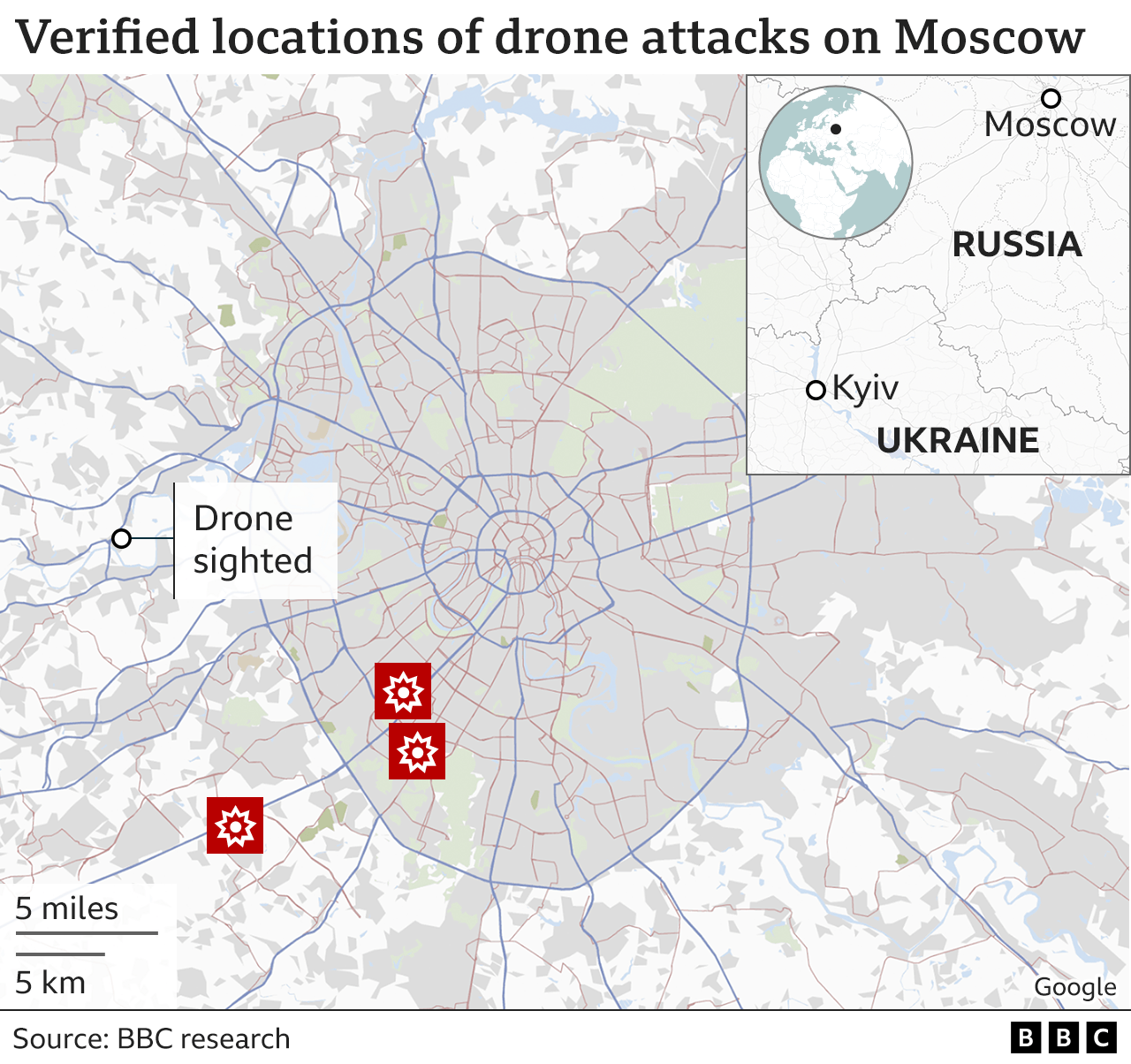
MOSCOW — Russian air defense forces shot down 33 Ukrainian drones targeting Moscow overnight, according to statements from Russian officials, marking the latest escalation in drone warfare between the two nations amid an intensifying conflict.
The interceptions occurred between 23:00 and 03:00 local time, with Russian state media reporting that the drones were detected and neutralized over Moscow and surrounding regions. Ukrainian forces have not yet confirmed the operation, though they have previously acknowledged using drones to strike Russian targets, including military installations and energy infrastructure.
The Russian Defense Ministry stated in a briefing that “all targets were destroyed” and that no damage to civilian infrastructure was reported. The claim comes as both sides continue to deploy increasingly sophisticated unmanned aerial systems in a war that has seen drone strikes become a defining feature of modern conflict.
Why This Strike Matters: A Shift in Drone Warfare Tactics
This latest operation underscores a broader trend of escalating drone warfare, where both Russia and Ukraine have increasingly relied on unmanned aerial systems to bypass traditional air defense systems and strike high-value targets. According to the Reuters, the use of drones—particularly those capable of carrying explosives—has become a critical tool in the conflict, allowing for precision strikes with lower risk to operators.
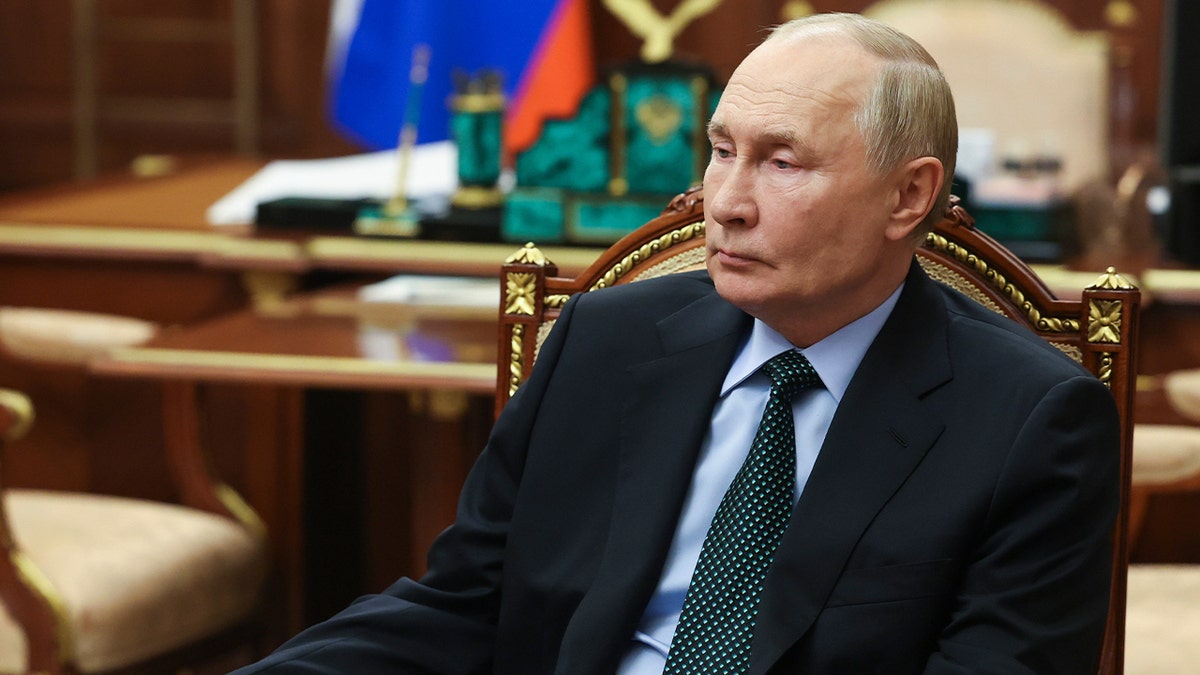
Russian officials have previously warned of such attacks, with President Vladimir Putin ordering heightened air defense measures in Moscow and other major cities. The Russian Ministry of Defense has also claimed that Ukraine has been using drones supplied by Western allies, including Turkey and Iran, though Kyiv has not confirmed these allegations.
The Ukrainian military has not issued a statement confirming the drone operation, but its use of drones has been well-documented. In recent months, Ukrainian forces have targeted Russian military bases, oil refineries, and government buildings using a mix of commercial drones and more advanced military models. The BBC reported in March that Ukraine had conducted over 1,000 drone strikes against Russian targets since the start of the war.
How Russia’s Air Defenses Are Holding Up Under Pressure
Russia’s ability to intercept drones has been a subject of debate among military analysts. While Moscow has boasted about its air defense capabilities, including the S-400 and Pantsir systems, critics argue that the sheer volume of drone attacks has strained its resources. The Wall Street Journal noted in a recent report that Russian air defenses have struggled to keep pace with the frequency of Ukrainian drone strikes, particularly in regions where multiple drones are deployed simultaneously.
This latest interception comes as Russia has faced criticism over its air defense failures in other areas, including the downing of a Ukrainian drone near the Kremlin in May 2023, which sparked speculation about vulnerabilities in Moscow’s defenses. The Russian Ministry of Defense has since attributed such incidents to “technical malfunctions” rather than systemic weaknesses.
Ukrainian officials have not commented on the operation, but military experts suggest that the use of drones targeting Moscow is part of a broader strategy to disrupt Russian morale and infrastructure. According to Financial Times analysis, such strikes are designed to send a message to the Russian public and leadership that no part of the country is safe from Ukrainian retaliation.
What Happens Next: Escalation or De-escalation?
The outcome of this drone strike will likely be closely watched by military observers, who are assessing whether it signals a new phase in the conflict or merely a continuation of existing tactics. If Russia continues to successfully intercept drones, it may bolster its narrative of air defense superiority. However, if Ukrainian forces manage to penetrate deeper into Russian territory with such attacks, it could indicate a shift in the balance of power on the battlefield.
One potential consequence is an increased reliance on electronic warfare and cyber defenses by both sides. The New York Times reported that both Russia and Ukraine are investing heavily in jamming technology to disrupt enemy drones, suggesting that future conflicts may see even more sophisticated countermeasures.
For now, the focus remains on whether this latest drone operation will lead to further retaliation or diplomatic negotiations. The Ukrainian government has repeatedly stated that it will continue to target Russian military and industrial infrastructure, while Russia has vowed to respond with “appropriate measures” to any attacks on its territory.
Key Takeaways
- Russian air defenses intercepted 33 Ukrainian drones targeting Moscow overnight, according to official statements.
- The strike marks another escalation in drone warfare, a defining feature of the Russia-Ukraine conflict.
- Ukrainian forces have not confirmed the operation, but drone attacks remain a key tactic in the war.
- Russia’s ability to counter drone threats will be closely monitored as both sides escalate their use of unmanned aerial systems.
- Military analysts suggest that the conflict may see increased investment in electronic warfare and cyber defenses.
Where to Find Official Updates
For the latest developments on the Russia-Ukraine conflict, readers can follow official statements from:

- Russian Ministry of Foreign Affairs
- Ukrainian Ministry of Foreign Affairs
- United Nations (for international responses)
The next official updates are expected within 24–48 hours, as both sides assess the impact of the drone strike and prepare for potential retaliatory actions. Readers are encouraged to share their insights or questions in the comments below.