
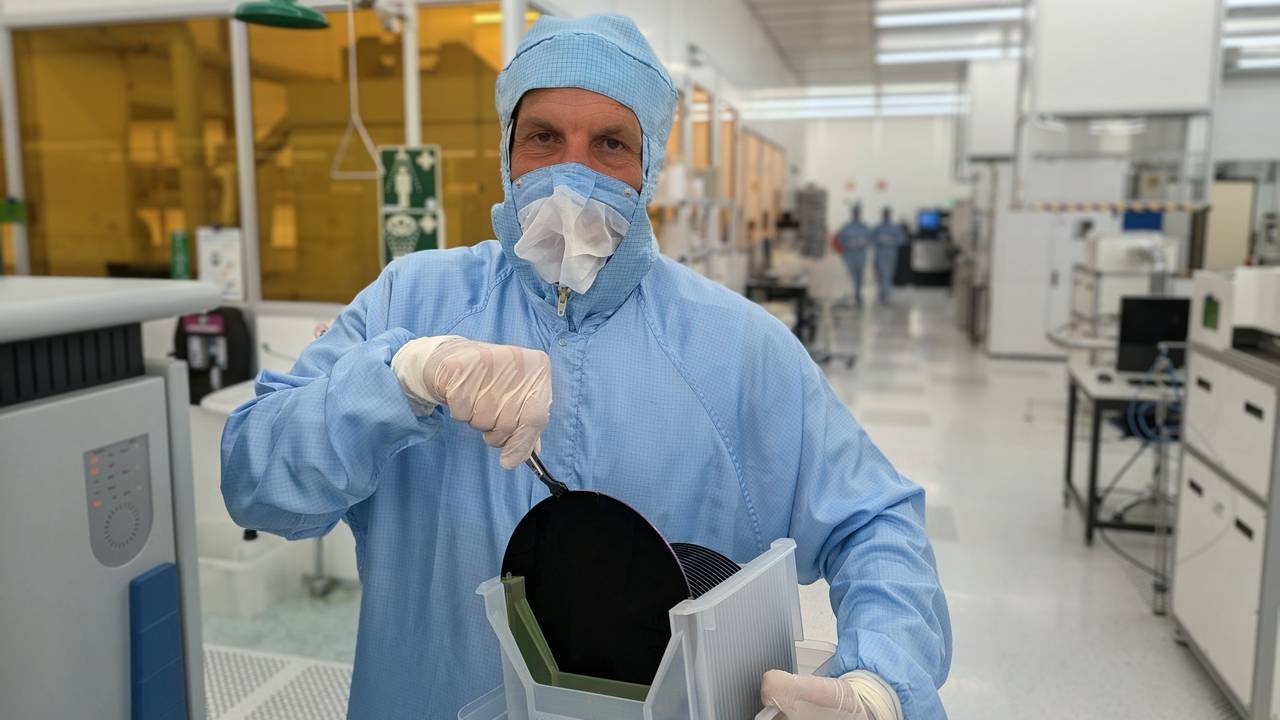
The manufacturing of next-generation semiconductor chips requires environments so sterile that even a single speck of dust can render a multi-million-dollar wafer defective. In the Netherlands, particularly within the Brainport Eindhoven region, specialized facilities are currently scaling production to meet the global demand for advanced lithography and microchip fabrication. These “cleanrooms,” often described as the cleanest places on Earth, serve as the foundation for the hardware powering artificial intelligence, automotive innovation, and global telecommunications.
The semiconductor industry’s expansion in the Netherlands is anchored by the presence of ASML, the world’s leading manufacturer of photolithography systems. According to the Dutch Ministry of Economic Affairs and Climate Policy, the national government has prioritized the strengthening of the chip ecosystem through the National Growth Fund, allocating billions to research, development, and infrastructure to ensure the country remains a central node in the global supply chain. This investment is intended to address the growing technical complexity of EUV (extreme ultraviolet) lithography machines, which are essential for producing the most advanced chips currently available.
The Engineering Standards of Modern Cleanrooms
A cleanroom is not merely a room with high-efficiency air filters; it is a precisely controlled environment where temperature, humidity, and airflow are managed to microscopic tolerances. In facilities operated by companies like ASML and its supply chain partners in the Brabant region, air is circulated through HEPA or ULPA filters at a rate that replaces the entire volume of air hundreds of times per hour. These measures are designed to maintain an ISO Class 1 or Class 2 environment, where the number of particles larger than 0.1 micrometers is strictly limited.

The significance of these standards was highlighted in a recent ASML 2023 Annual Report, which detailed the immense logistical and technical challenges involved in assembling systems that contain over 100,000 components. Because these machines are used to print circuit patterns at the nanometer scale, any vibration or microscopic contamination during the assembly process can lead to significant yield losses. Consequently, the personnel working in these environments adhere to rigorous “gowning” protocols, wearing specialized suits that prevent human skin cells or fibers from entering the manufacturing zone.
Infrastructure and the Brainport Ecosystem
The concentration of high-tech firms in and around Eindhoven, often referred to as Brainport, is a result of decades of collaboration between academia, private industry, and government bodies. The Brainport Eindhoven foundation reports that the region accounts for a significant portion of the Netherlands’ patent filings, driven by the synergy between the Eindhoven University of Technology and the surrounding industrial cluster. This ecosystem allows for a rapid feedback loop where theoretical breakthroughs in photonics or material science can be tested in industrial prototypes.
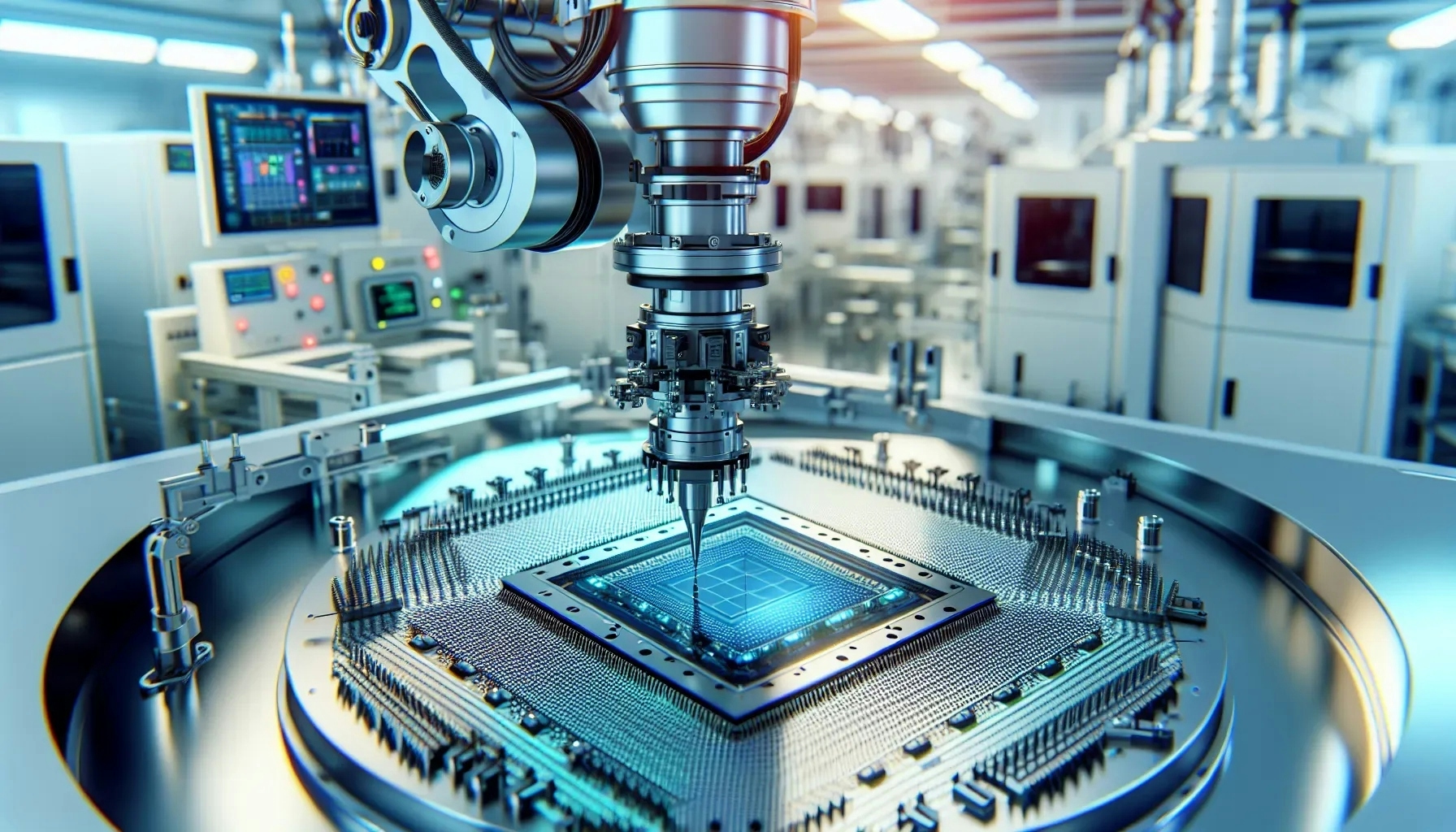
However, this growth faces constraints related to infrastructure and labor. As noted by the Statistics Netherlands (CBS), the region is experiencing pressure on housing and electrical grid capacity, issues that the Dutch government is currently addressing through the “Beethoven” project. This initiative, backed by a commitment of approximately 2.5 billion euros, aims to improve the business climate for the semiconductor industry, specifically targeting improvements in education, housing, and energy infrastructure to retain top-tier talent in the region.
Why Advanced Chip Manufacturing Matters
The global race for semiconductor sovereignty has made the technologies developed in these cleanrooms a matter of geopolitical importance. Advanced chips are the essential building blocks for high-performance computing (HPC) and artificial intelligence. Without the specific lithography systems manufactured in the Netherlands, the production of sub-5nm chips—which are required for the latest smartphone processors and data center GPUs—would be effectively impossible.
The dependency of global tech giants on this specific supply chain was underscored by the recent financial disclosures from ASML, which indicated that while demand for logic chips remains high, the recovery in memory chip segments is proceeding at a more measured pace. This nuance in the market highlights the cyclical nature of the industry and the importance of continuous investment in research and development to stay ahead of the technology curve.
Future Outlook and Sustainability
As the industry looks toward the next decade, the challenge is not only to make chips smaller and faster but also to make the manufacturing process more sustainable. The energy consumption of a semiconductor fabrication plant is substantial, and the water usage required for wafer cleaning is a focal point for environmental regulations. According to the European Chips Act, the European Union is pushing for a significant increase in the continent’s share of global chip production, with a focus on “green” manufacturing processes that reduce the carbon footprint of these high-energy facilities.

The next major update regarding the expansion of the semiconductor infrastructure in the Netherlands is expected following the upcoming parliamentary budget sessions, where specific allocations for the Beethoven project will be finalized. Observers and stakeholders are monitoring these developments closely to determine how the regional infrastructure will accommodate the projected increase in manufacturing capacity through 2026.
What are your thoughts on the role of the Netherlands in the global tech supply chain? Share your insights in the comments below.