
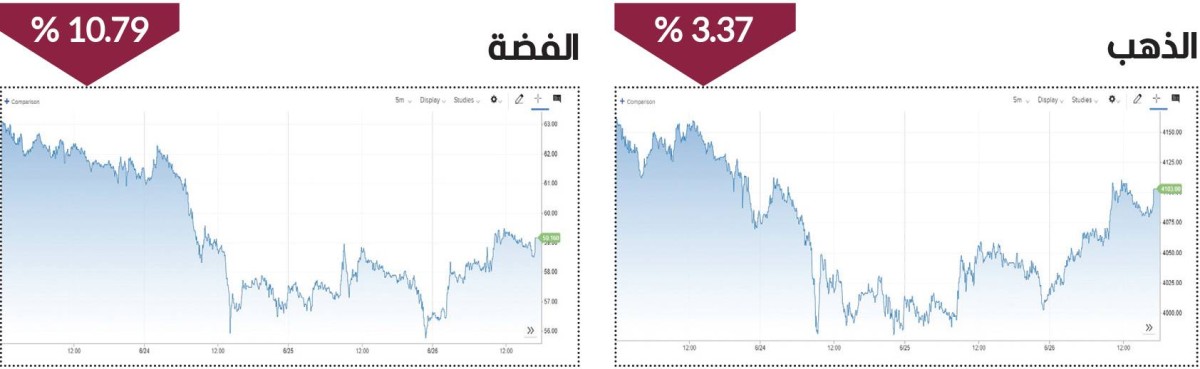
Gold prices have posted a fourth consecutive weekly decline as a strengthening U.S. dollar and hawkish signals from global central banks weigh on the precious metal. Market participants are recalibrating their portfolios as the metal struggles to maintain its safe-haven appeal amid shifting interest rate expectations, according to data from Reuters.
The persistent downward trend in gold valuations reflects a broader economic pivot. While gold is traditionally viewed as a hedge against inflation and currency volatility, its inverse relationship with the U.S. dollar has become a primary driver of its current performance. As the dollar index maintains its strength, the cost of purchasing gold for holders of other currencies increases, dampening demand and exerting downward pressure on market prices.
Drivers of the Current Market Correction
The primary factor influencing gold’s recent performance is the trajectory of U.S. monetary policy. Following recent communications from the Federal Reserve, investors have adjusted their expectations regarding the timing and frequency of potential interest rate cuts. Higher-for-longer interest rates generally undermine non-yielding assets like gold, as investors shift capital toward interest-bearing alternatives such as Treasury bonds, as noted by Bloomberg.

Beyond U.S. policy, geopolitical stability and central bank purchasing patterns also play a role in price discovery. While some central banks have continued to increase their gold reserves, the aggressive pace of buying seen earlier in the year has moderated. This reduction in consistent physical demand, coupled with speculative profit-taking by institutional traders, has contributed to the current volatility observed throughout June.
Understanding Long-Term Investment Strategies
In periods of price correction, market analysts frequently emphasize the distinction between short-term speculation and long-term asset allocation. For individual investors, the current market environment often prompts a re-evaluation of how gold functions within a diversified portfolio. Financial experts generally categorize gold as a “store of value” rather than a high-yield growth asset, suggesting that those entering the market should prioritize a multi-year horizon to mitigate the impact of short-term price swings.
For those seeking to hold physical gold, the choice of instrument is significant. Market participants often differentiate between bullion bars, which typically carry lower premiums over the spot price, and numismatic or jewelry-grade items, which include additional costs for craftsmanship or collectibility. Financial advisors often point to standard bullion bars as the most cost-effective method for long-term wealth preservation, as they allow investors to accumulate weight with minimal transactional overhead.
Market Outlook and Future Indicators
Looking ahead, market participants are closely monitoring upcoming economic indicators for signals on the next shift in trend. The release of the Personal Consumption Expenditures (PCE) price index, the Federal Reserve’s preferred measure of inflation, remains a critical data point for the coming month. Any deviation from consensus expectations in these reports is likely to trigger further volatility in both the currency and commodity markets.

Investors are advised to track official disclosures from the Federal Reserve regarding scheduled policy meetings and economic projections. These documents provide the most authoritative insight into the central bank’s approach to balancing inflation control and economic growth. As the market navigates this period of uncertainty, maintaining a disciplined approach to risk management remains the standard recommendation for those holding exposure to precious metals.
How are you adjusting your portfolio in response to recent commodity market shifts? We encourage our readers to share their observations in the comments section below.