
Iran-US Tensions Escalate: Trump Warns of Action if Tehran Violates Nuclear Deal as US Waives Oil Sanctions
Former US President Donald Trump has warned Iran that he will take “what I have to do” if Tehran fails to uphold the 2015 nuclear agreement, known as the Joint Comprehensive Plan of Action (JCPOA), as the Biden administration temporarily waives sanctions on Iranian oil exports. The comments come amid renewed diplomatic tensions and a standoff over Iran’s nuclear program, with analysts warning of potential escalation in the Middle East. Here’s what we know about the latest developments and their implications.
According to multiple verified reports, Trump’s remarks—made during a campaign rally in New Hampshire—follow a period of heightened activity in Iran-US relations, including the Biden administration’s decision to grant a 90-day waiver on sanctions related to Iranian oil exports. The move, announced by the US Treasury Department on June 10, 2024, allows for limited trade in Iranian crude oil while negotiations over a broader revival of the JCPOA remain stalled [US Treasury].
Tehran has repeatedly accused the US of violating the nuclear deal by maintaining secondary sanctions, while Washington insists Iran has exceeded uranium enrichment limits set by the agreement. The latest waiver, which expires on September 7, 2024, has sparked debate over whether it signals a softening of the Biden administration’s hardline stance or a tactical maneuver to keep diplomatic channels open.
Why Trump’s Warning Matters: The Nuclear Deal’s Fragile State
The JCPOA, brokered under the Obama administration in 2015, limited Iran’s nuclear activities in exchange for sanctions relief. However, the deal collapsed in 2018 when Trump withdrew the US from the agreement and reinstated sanctions. Since then, Iran has gradually rolled back its commitments, including uranium enrichment levels and transparency measures.
As of June 2024, Iran’s uranium enrichment has reached levels far exceeding those permitted under the JCPOA, according to the International Atomic Energy Agency (IAEA). The agency’s latest report, released on June 5, 2024, states that Iran now possesses over 170 kilograms of uranium enriched to 60% purity—a level that, while not yet weapons-grade, is significantly closer than previously reported. For context, the JCPOA limited Iran to 300 kilograms of 3.67% enriched uranium.
Trump’s warning comes as indirect negotiations between Iran and the US—facilitated by Oman and Qatar—have stalled. A planned first day of talks in Vienna was cancelled without explanation on June 11, 2024, according to Forbes, with both sides blaming the other for the breakdown. Iranian officials have accused the US of “bad faith”, while American negotiators have cited Iran’s refusal to address uranium enrichment as a dealbreaker.
What the US Sanctions Waiver Means for Global Oil Markets
The Biden administration’s decision to waive sanctions on Iranian oil exports—allowing up to 500,000 barrels per day—has sent mixed signals to markets. While the move is framed as a temporary humanitarian concession to prevent oil price spikes, analysts warn it could embolden Iran to further defy nuclear restrictions.
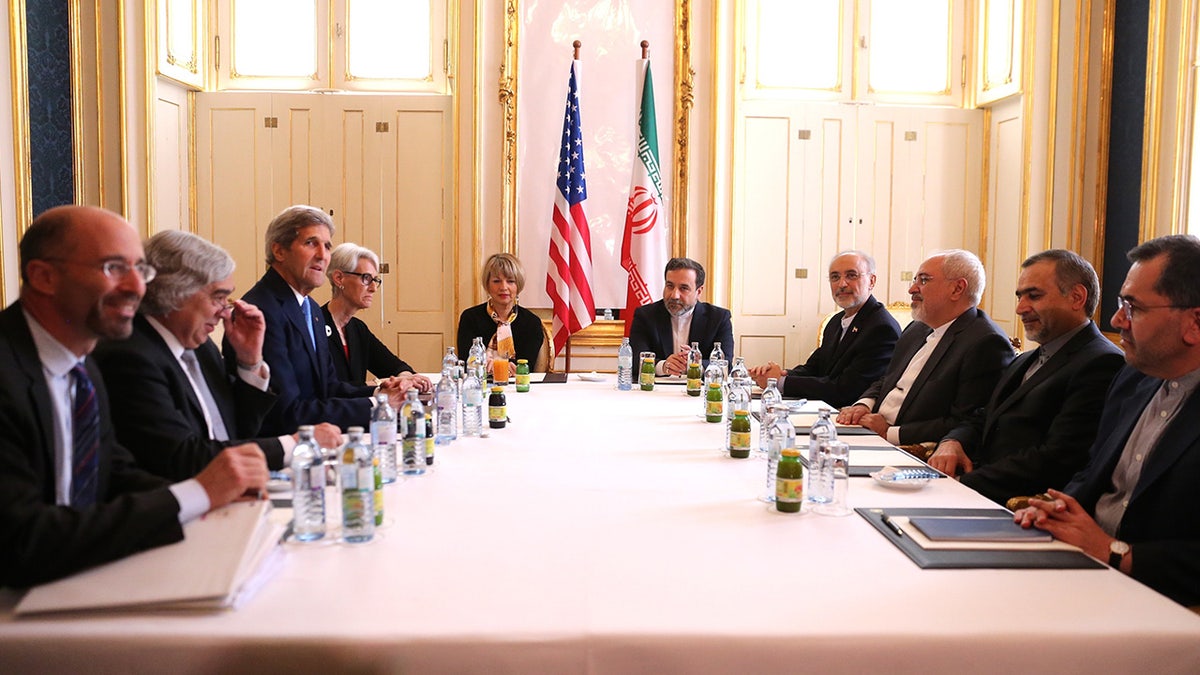
According to the US Energy Information Administration (EIA), Iranian oil exports have already begun to trickle back into global markets, with shipments to China and India resuming in limited quantities. The EIA estimates that lifting all sanctions could add up to 1.5 million barrels per day to global supply, potentially easing prices that have risen above $90 per barrel in recent weeks.
| Metric | Before Waiver (May 2024) | After Waiver (June 2024) | Projected with Full Lift |
|---|---|---|---|
| Daily Exports (barrels) | ~100,000 | ~300,000 (partial waiver) | 1.0–1.5 million |
| Primary Buyers | China, UAE | China, India, UAE | Global (including EU) |
| Impact on Global Prices | Minimal | Moderate downward pressure | Significant easing |
| Source | Bloomberg | Reuters | EIA |
However, the waiver has drawn criticism from allies like Israel and Saudi Arabia, who argue it undermines pressure on Iran. Israeli Prime Minister Benjamin Netanyahu’s office stated that the move “will only encourage Iran to continue its aggressive behavior,” including support for proxy groups like Hezbollah and the Houthis in Yemen.
Trump’s Hardline Stance: What It Signals for a Potential Second Term
Trump’s public warnings contrast sharply with the Biden administration’s cautious approach. During his presidency, Trump adopted a “maximum pressure” strategy, which included targeted assassinations of Iranian scientists and a cyberattack on Iran’s nuclear program in 2020. His remarks suggest he would escalate further if Iran fails to comply with any revived deal.
In a June 2024 interview with ABC News, Trump clarified his position: “I don’t want a Herbert Hoover presidency with Iran. They have to have some missiles, but not the kind that can reach our cities. And if they don’t live up to the agreement, I will do what I have to do.” The reference to Hoover—whose presidency was marked by economic crisis—implies Trump views any Iranian non-compliance as a threat to US economic stability.

—Donald Trump, ABC News interview, June 2024
Analysts at the Council on Foreign Relations (CFR) note that Trump’s approach would likely involve expanded sanctions on Iran’s Revolutionary Guard Corps (IRGC), additional military aid to Israel, and possible strikes on Iranian nuclear sites if diplomacy fails. “Trump’s rhetoric suggests he sees the JCPOA as a failed experiment and would prefer a non-proliferation strategy over any revival of the deal,” said CFR Iran expert Ray Takeyh.
What Happens Next: Key Checkpoints in the Iran-US Standoff
The next critical deadlines and developments include:
- September 7, 2024: Expiration of the US oil sanctions waiver. The Biden administration must decide whether to extend, modify, or fully lift the sanctions.
- October 2024: IAEA is expected to release its next quarterly report on Iran’s nuclear activities, which could trigger further US or international responses.
- November 2024: US presidential election. A Trump victory would likely lead to a complete reversal of Biden’s Iran policy, while a Biden win could signal continued engagement—albeit with stricter conditions.
- Ongoing: Indirect negotiations between Iran and the US, mediated by regional partners. Any breakthrough would require Iran to halt uranium enrichment and the US to lift all secondary sanctions.
For readers seeking official updates:
Key Takeaways
- Trump’s Warning: Former President Donald Trump has vowed to take “what I have to do” if Iran violates any nuclear agreement, signaling a potential return to a hardline “maximum pressure” strategy if he returns to office.
- Sanctions Waiver: The Biden administration’s 90-day waiver on Iranian oil sanctions allows limited exports but has emboldened Tehran while easing global oil prices.
- Nuclear Escalation: Iran’s uranium enrichment has reached 60% purity, far exceeding JCPOA limits, raising concerns about breakout capacity.
- Diplomatic Deadlock: Indirect talks in Vienna were cancelled without explanation, with both sides blaming the other for the breakdown.
- Regional Reactions: Israel and Saudi Arabia have criticized the sanctions waiver, warning it could undermine pressure on Iran’s proxy networks.
- Next Steps: The September 7 waiver expiration and November US election are critical checkpoints for Iran-US relations.
How This Affects Global Energy and Security
The current standoff has broad implications for global energy markets, Middle East security, and US foreign policy:
- Oil Markets: The partial lifting of sanctions could lower prices by 5–10%, but full sanctions relief would have a more significant impact, potentially reducing prices by 15–20% according to the IMF.
- Nuclear Proliferation: Iran’s enrichment advances bring it closer to breakout capacity, defined by the IAEA as the ability to produce enough weapons-grade uranium for a nuclear bomb in a short time.
- Regional Conflicts: Increased Iranian oil revenue could fund proxy groups like Hezbollah and the Houthis, escalating conflicts in Syria, Yemen, and Lebanon.
- US-EU Divisions: European allies, who have invested in the JCPOA, may push for a revival, while the US remains divided between engagement and containment.
For businesses and investors, the key risks include:
- Volatility in oil prices due to uncertainty over sanctions.
- Potential disruptions in shipping routes through the Strait of Hormuz if tensions escalate.
- Regulatory changes under a Trump administration, which could include new sanctions on Iranian financial institutions.
What Readers Are Asking: FAQ
1. Could Iran develop a nuclear weapon under the current enrichment levels?
According to the IAEA, Iran is not yet at weapons-grade enrichment (90%+ purity), but its stockpile of 60% enriched uranium shortens the time needed to reach that level. Experts estimate Iran could achieve breakout capacity in 3–6 months if it chooses to pursue a bomb.
2. Why is the US allowing Iranian oil exports if it opposes the nuclear deal?
The waiver is a temporary humanitarian measure to prevent oil price spikes, not a sign of policy change. The Biden administration has stated it does not signal a return to the JCPOA. The move is also seen as a goodwill gesture to keep diplomatic channels open.
3. What would a Trump administration do differently on Iran?
Based on his past actions and recent remarks, a second Trump term would likely include:
- Full withdrawal from the JCPOA and reinstatement of all sanctions.
- Expanded military aid to Israel, including potential strikes on Iranian nuclear sites.
- Targeted assassinations of IRGC leaders involved in nuclear or missile programs.
- Stricter controls on Iranian financial institutions, including the Central Bank of Iran.

4. How would a nuclear-armed Iran affect global security?
A nuclear-capable Iran would dramatically alter Middle East geopolitics, potentially leading to:
- Arms races in Saudi Arabia, Turkey, and Egypt.
- Increased US military presence in the region.
- Greater instability in proxy conflicts, including Yemen and Syria.
- Economic sanctions on Iran’s trading partners.
The RAND Corporation estimates such a scenario could increase global oil prices by 20–30% due to market uncertainty.
5. Can the JCPOA still be saved?
Experts are skeptical. The deal’s collapse in 2018 destroyed trust, and Iran’s current enrichment levels make a full return to 2015 terms unlikely. However, a modified agreement—perhaps with stricter inspections and shorter terms—could still be negotiated, according to Brookings Institution analysts.
Next Steps: What to Watch For
The situation remains fluid, but the following developments will be critical in the coming months:
- IAEA Reports: The next quarterly update (expected late June or early July) will be closely watched for any new enrichment advances or unexplained nuclear material.
- US Election Impact: Polling shows Trump leading in key swing states, which could lead to a policy shift as early as January 2025.
- Regional Alliances: Saudi Arabia and Israel may form a closer military partnership if Iran’s nuclear program progresses, potentially including preemptive strikes.
- Oil Market Reactions: Traders will monitor Iran’s export levels and US sanctions extensions for further price signals.
For the latest updates, follow World Today Journal‘s coverage of Iran-US relations and subscribe to our newsletter for breaking developments.
What do you think? Should the US pursue a revised nuclear deal with Iran, or is a hardline approach more effective? Share your thoughts in the comments below.
Related reading
- New Rights for Martyrs’ Families and Veterans Approved by Turkish Parliament
- Golser Volksfest 2026, SC Rust Comeback & One Love Festival News
- Syria and Russia Reach Agreement on Military Bases in Hmeimim and Tartus (world-today-news.com)
- Trump Pushes SAVE Act to Mandate Voter ID and Proof of Citizenship (newsdirectory3.com)