
Utah Governor Spencer Cox has issued a call for statewide fireworks restrictions to mitigate extreme wildfire risks as the state enters the Independence Day holiday period. While the governor’s directive aims to protect communities from historic wildfire conditions, local municipalities are navigating a complex legal landscape that limits their ability to enforce uniform bans across all jurisdictions.
The decision comes as Utah faces heightened environmental vulnerabilities, including extreme dryness and high temperatures that increase the likelihood of rapid fire spread. According to reports from KSL News, the push for restrictions is a direct response to the potential for human-caused ignitions during the July 4th celebrations.
Why is Governor Spencer Cox calling for fireworks bans?
Governor Spencer Cox has prioritized public safety in response to what officials describe as historic wildfire conditions across the state. The primary driver for the proposed restrictions is the prevention of accidental ignitions during a period of heightened environmental risk. As drought conditions persist, the fuel load in Utah’s forests and grasslands remains highly combustible, making even small sparks from consumer fireworks a significant threat to life and property.
State officials have emphasized that the combination of low humidity and high winds creates a volatile environment. In communications regarding the directive, the governor’s office has indicated that the goal is to reduce the number of preventable fires that could overwhelm emergency response resources. This proactive stance is intended to prevent a repeat of previous years where holiday celebrations coincided with devastating wildfire outbreaks.
The governor’s emphasis on caution serves as a warning to residents that the traditional use of fireworks carries an elevated risk this season. Emergency management agencies are coordinating with local fire departments to monitor conditions in real-time, though the ability to enforce a blanket ban remains a subject of legal debate.
How do local fireworks laws vary across Utah cities?
A significant point of contention in Utah involves the legal authority of individual cities to implement their own fireworks bans. While many residents expect a uniform rule, the state’s legal framework creates a patchwork of regulations. This discrepancy has left several municipalities in a difficult position, attempting to balance public safety mandates with the limitations of state law.
As reported by NPR Utah | KUER, the debate centers on the concept of municipal autonomy versus state preemption. In some jurisdictions, city councils have the legal standing to prohibit the use or sale of fireworks entirely. In others, state laws may preempt local ordinances, preventing cities from enacting stricter bans than what is permitted at the state level.
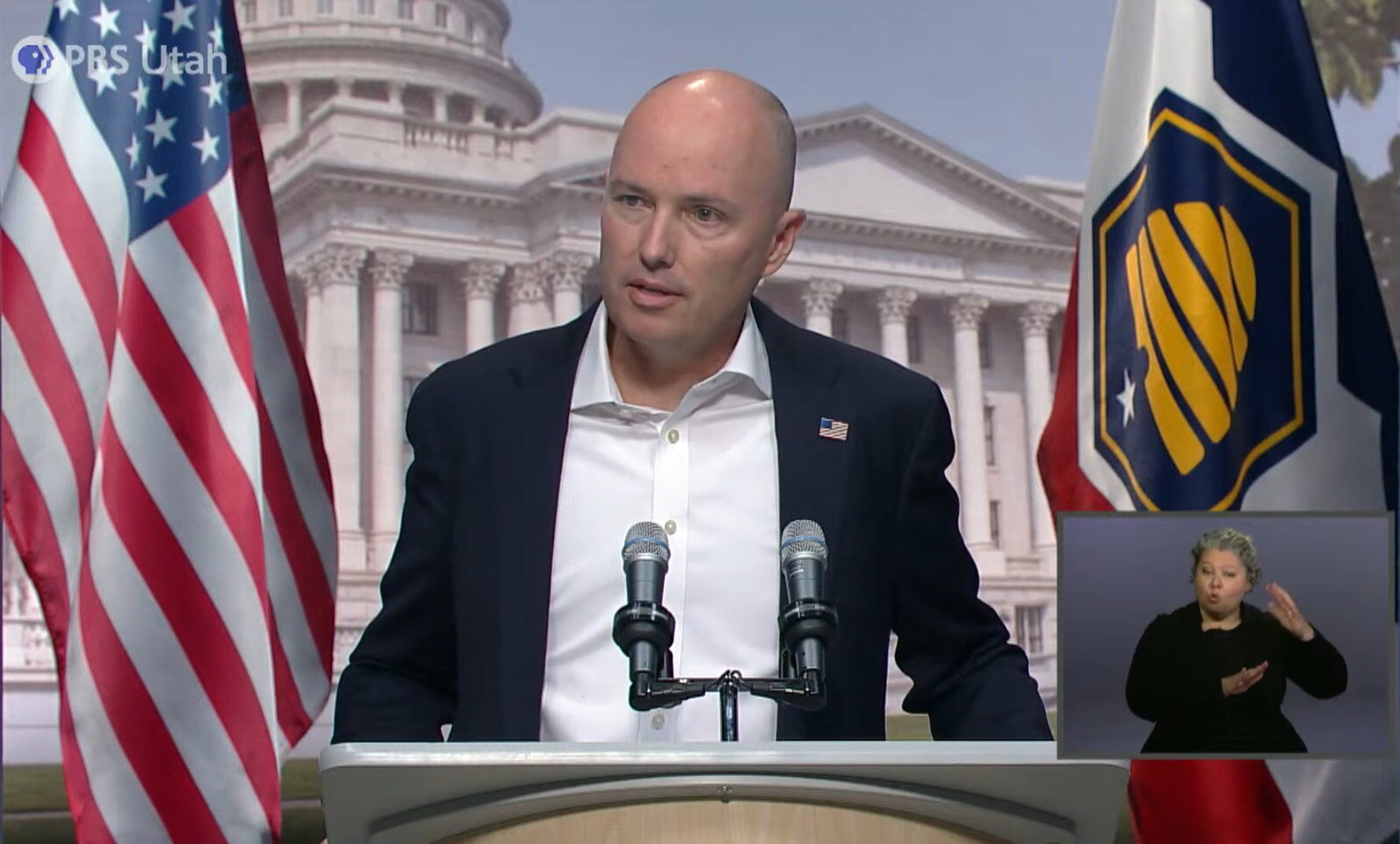
The Mayor of Sandy, Utah, has noted that city leaders often feel “caught in the middle” of these conflicting interests. Local officials must weigh the immediate danger of fire ignitions against the legal reality that their authority to restrict certain activities may be limited by existing statutes. This creates a situation where a resident might be legally permitted to use fireworks in one town, only to face potential consequences in a neighboring municipality.
To help residents understand the differing levels of authority, the following table outlines the general distinctions between local and state control regarding fireworks regulation:
| Authority Level | Typical Capability | Primary Limitation |
|---|---|---|
| State Government | Can issue emergency directives and general guidance. | May lack the power to unilaterally ban fireworks in all municipalities without legislative action. |
| Municipalities (With Authority) | Can pass local ordinances to ban sales or usage. | Must ensure ordinances do not conflict with state preemption laws. |
| Municipalities (Limited Authority) | Can regulate specific aspects of usage (e.g., time/location). | Cannot enact total bans if prohibited by state statutes. |
What are the wildfire risks driving these decisions?
The environmental conditions in Utah have reached a critical threshold, according to data analyzed by The Salt Lake Tribune. The combination of prolonged dry spells and seasonal temperature spikes has significantly lowered the moisture content in vegetation. This “fuel” is essential for the rapid progression of wildfires, which can move faster than emergency services can respond in certain terrains.
Firefighting experts have pointed to several specific factors that increase the danger this year:
- Low Fuel Moisture: Vegetation across much of the state is extremely dry, making it highly susceptible to ignition.
- Wind Patterns: Seasonal wind shifts can carry embers from fireworks far from their point of origin, starting new fires in unexpected locations.
- Resource Strain: With multiple potential fire fronts, local fire departments face the risk of being spread too thin to manage both small residential fires and larger wildfires simultaneously.
Public safety officials are urging residents to check with their specific local government offices before attempting to use any pyrotechnics. Because the legal landscape is shifting based on local ordinances, what is legal in one county may be a violation in another. Emergency services are also reminding the public that even in areas where fireworks are permitted, extreme care must be taken to avoid accidental ignitions.
For those seeking specific guidance, residents should consult their local fire marshal or city clerk’s office for the most accurate and up-to-date information regarding their specific area’s regulations. Official updates regarding wildfire activity and fire danger levels are typically provided through the Utah Division of Forestry, Fire, and State Lands.
Official updates regarding regional fire danger levels and specific municipal ordinances are expected to be released as the July 4th holiday approaches. Residents are encouraged to follow their local emergency management agency for real-time safety advisories.
What are your thoughts on the balance between local tradition and state-mandated safety? Share this article and join the conversation in the comments below.
Related reading