/data/photo/2026/06/24/6a3b370e266a0.png)
China has significantly expanded its footprint in the global high-performance computing (HPC) sector, with several systems consistently appearing on the biannual TOP500 list of the world’s fastest supercomputers. While recent reports have suggested a shift in the rankings, the international supercomputing landscape remains a complex, data-driven competition primarily defined by the sustained performance metrics tracked by the TOP500 project, which measures systems based on the LINPACK benchmark.
The race for computational supremacy involves more than just raw speed; it encompasses energy efficiency, architectural innovation, and the ability to process massive datasets for artificial intelligence and scientific research. As of the latest official rankings, the United States continues to maintain a strong presence, holding several of the top positions with systems like Frontier at Oak Ridge National Laboratory, which was the first to officially break the exascale barrier, as noted by the U.S. Department of Energy.
Understanding the TOP500 Benchmark
To evaluate the world’s most powerful computers, researchers rely on the TOP500 list, an initiative that ranks systems based on their performance on the High-Performance Linpack (HPL) benchmark. This test measures the speed at which a system can solve a dense system of linear equations. Because the list is updated every six months—typically in June and November—it provides a snapshot of technological shifts rather than a static hierarchy.
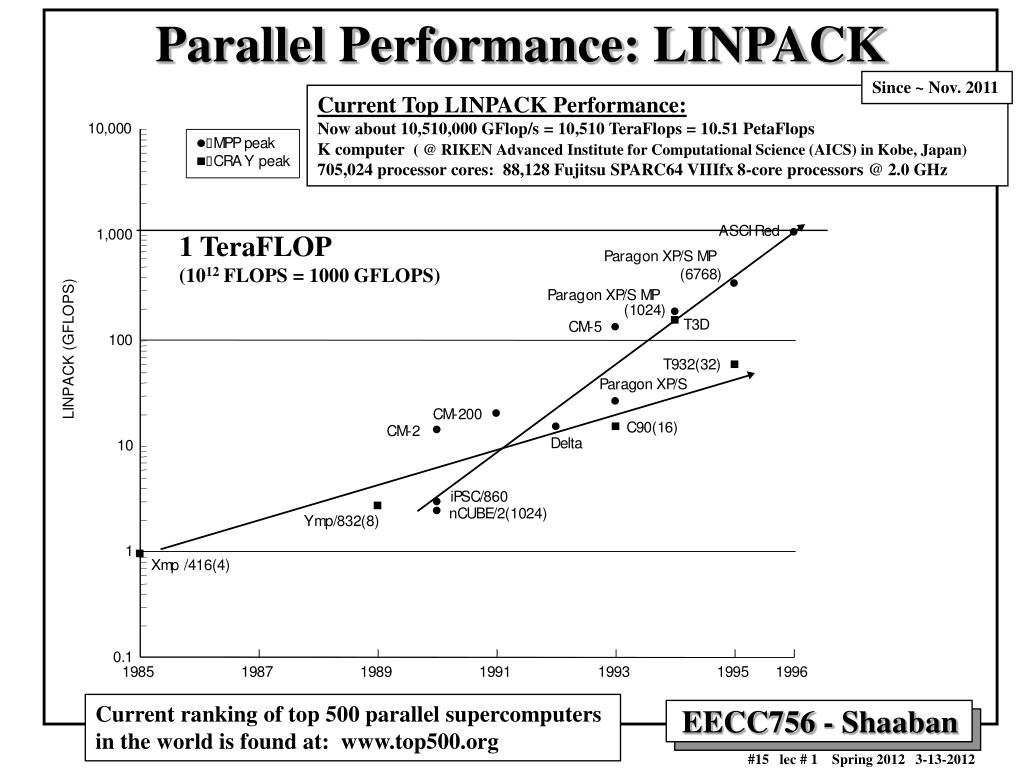
The distinction between the “fastest” system and the “most powerful” often depends on the specific workload. While the HPL benchmark serves as the gold standard for comparing raw floating-point operations per second (FLOPS), modern supercomputing also prioritizes AI-specific performance, measured by the High-Performance Linpack-Accelerator Introspection (HPL-MxP) and the HPL-AI benchmark. According to the June 2024 TOP500 report, the competition remains tight, with the United States and China leading the global distribution of entries in terms of total system count and aggregate performance.
The Evolution of Global Supercomputing Trends
For nearly a decade, the United States and China have traded the top spots on the list, reflecting broader geopolitical and economic investments in semiconductor technology and national security infrastructure. The U.S. government has prioritized domestic production through initiatives such as the CHIPS and Science Act, which aims to bolster the domestic supply chain for high-end processors, according to official documentation from the U.S. Department of Commerce.
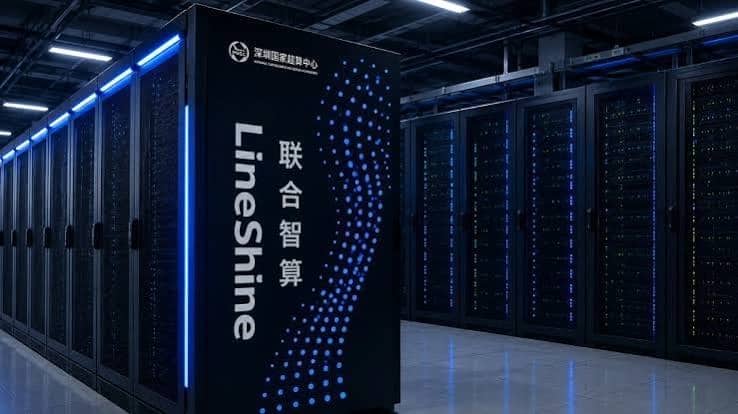
China’s strategy, by contrast, has focused on massive state-led investment in indigenous hardware, including the development of domestic processors like the Sunway and Phytium chips. This development is crucial because international export controls on advanced semiconductors, such as those implemented by the U.S. Bureau of Industry and Security, have created significant hurdles for China’s access to high-end GPUs from manufacturers like NVIDIA. These policy shifts are detailed in the U.S. Department of Commerce’s 2022 advanced computing ruling.
Why Computational Power Matters
Supercomputers serve as the backbone for modern scientific discovery, enabling simulations in fields ranging from climate modeling and pharmaceutical development to nuclear physics and cryptography. When a country claims the top position on the TOP500 list, it signals a high level of technical capability that impacts both economic competitiveness and national defense.
The transition toward exascale computing—the ability to perform a quintillion calculations per second—represents a major milestone. As of the most recent reporting cycle, the United States remains the only nation with multiple confirmed, publicly listed exascale systems. However, industry analysts and computer scientists, including those monitoring the landscape via the HPCwire industry news outlet, note that China’s actual capabilities may be larger than what is represented on the public list, as some nations choose not to submit their most sensitive or military-grade systems for public benchmarking.
The Future of the Global HPC Race
Looking ahead, the focus of the global supercomputing race is shifting from raw speed to energy efficiency and AI integration. The “Green500” list, which ranks supercomputers by their energy efficiency (measured in gigaflops per watt), has become just as critical as the TOP500 for researchers concerned with the environmental impact of massive data centers.

The next major update for the TOP500 rankings is scheduled for the SC24 conference in November 2024. This event will provide the next verified checkpoint for comparing the performance of new systems from China, the United States, and the European Union, which has also increased funding for projects like the EuroHPC Joint Undertaking. For those interested in tracking these developments, the official TOP500 website remains the most reliable source for verified performance data and historical rankings.
As the technological landscape continues to evolve, the competition will likely remain intense, driven by the dual goals of scientific advancement and economic dominance in the digital age. We invite our readers to share their thoughts on the trajectory of global computing power in the comments section below or join the conversation on our social media channels.