
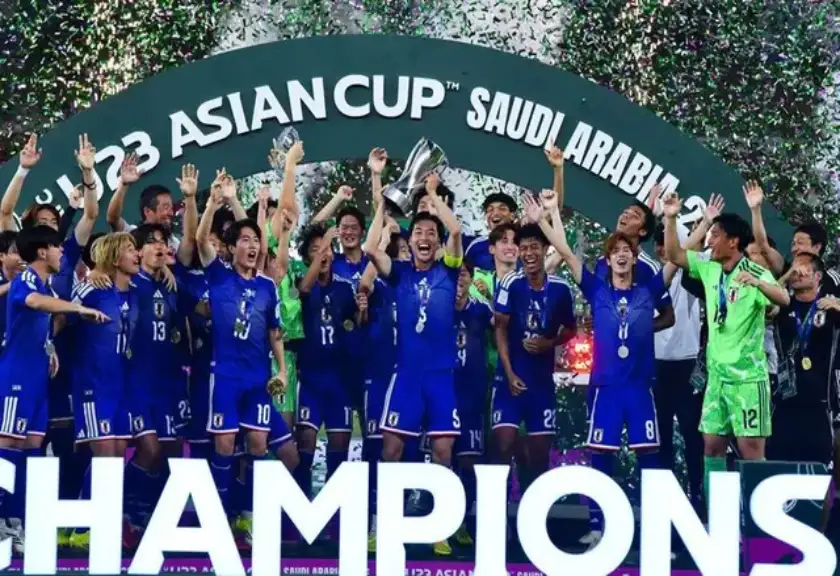
Japan has secured its place in the knockout stages of the 2026 FIFA World Cup, becoming the first Asian nation to advance from the group phase after a 1-1 draw with Sweden in their final Group F match. The result, confirmed at the tournament’s official match center, ensures Japan progresses as the second-placed team in the group, setting up a high-stakes Round of 16 encounter against Brazil.
The draw, finalized on the pitch in a tightly contested match, leaves both Japan and Sweden with vital points needed to extend their tournament campaigns. While the match concluded without a winner, the tactical deadlock was sufficient for both sides to navigate the group successfully, according to official tournament standings published by FIFA.
Path to the Round of 16
Japan’s advancement marks a significant milestone for Asian football in the expanded 2026 format. By finishing behind the group leaders, the team now faces the daunting challenge of a knockout match against Brazil. The Japanese squad, which demonstrated defensive resilience throughout the group stage, will need to maintain that discipline against a Brazilian side that topped their respective group with an undefeated record, as documented in recent international sports reporting.
For Sweden, the draw was enough to secure their own progression. Despite frustrations expressed by players regarding officiating decisions during the match, the team successfully managed the game’s tempo to hold the scoreline. Viktor Gyökeres, reflecting on the match, noted the difficulty of the officiating but emphasized the importance of the team’s achievement in reaching the next round, as reported by international sports media outlets.
Tactical Analysis and Match Dynamics
The game was characterized by a cautious approach from both sides, aware that a loss could prove fatal to their tournament aspirations. Japan focused on a compact midfield structure, looking to disrupt Sweden’s transition play. Sweden, utilizing their physical advantage, attempted to exploit set-piece opportunities, though they struggled to break down the disciplined Japanese defensive line.

According to match statistics verified by global sports data providers, the possession split remained relatively even throughout the 90 minutes. Japan’s ability to transition quickly from defense to attack proved decisive in earning the goal that kept them level. The draw effectively acted as a “gentleman’s agreement” on the pitch, as neither side was willing to commit excessive resources to an attack that might expose them to a counter-goal late in the game.
What Happens Next: The Brazil Challenge
The next phase of the tournament for Japan begins with their match against Brazil. This fixture is widely anticipated as one of the most challenging tests for an Asian team in recent World Cup history. Brazil’s roster, featuring some of the most prolific attackers in global football, will force Japan to adapt their defensive strategy significantly. The match is scheduled to take place following the conclusion of the group stage, with the exact kickoff time and stadium venue confirmed by official FIFA scheduling.

Fans looking for real-time updates and ticket information for the Round of 16 can access the official tournament portal. As the tournament moves into the knockout phase, all matches will be decided by extra time and penalties if the scores remain level, a shift from the group stage rules that allowed for the draw against Sweden.
The impact of this progression extends beyond the squad, highlighting the continued development of tactical sophistication within the Asian Football Confederation (AFC). Whether Japan can overcome the Brazilian powerhouse remains the primary question for analysts as the tournament intensity increases.
We will continue to provide live updates as the Round of 16 fixtures commence. Please leave your thoughts in the comments section below on whether Japan has the defensive tools necessary to upset Brazil in their upcoming clash.