
Xiaomi is reportedly preparing to integrate high-capacity battery technology into its upcoming smartphone lineup, with recent regulatory filings suggesting that future models in the Redmi Note 17 series may feature capacities reaching up to 9,000 mAh. These findings, identified in recent certification documentation, indicate a potential shift in mobile power management for mid-range handsets, aiming to extend usage intervals significantly beyond the current industry standard.
The move toward larger power cells arrives as consumer demand for extended battery life continues to influence hardware development cycles. While standard smartphones typically require daily charging, a device equipped with a 9,000 mAh battery could theoretically sustain operation for several days under moderate usage conditions. According to industry reports, the manufacturer is focusing on these high-density energy solutions to address the power-intensive demands of modern mobile processors and high-refresh-rate displays.
The Shift Toward High-Capacity Mobile Power
The integration of significantly larger batteries represents a departure from the conventional capacity that has dominated the smartphone market for several years. By testing batteries with capacities approaching the 9,000 mAh to 10,000 mAh range, manufacturers like Xiaomi are attempting to solve the primary limitation of modern mobile hardware: daily power exhaustion. This development is particularly notable for the Redmi Note series, which is positioned for the mid-range market, where battery longevity is often cited as a critical purchasing factor, as noted by industry analysts following the evolution of the Xiaomi mobile ecosystem.
The technical challenges associated with such large batteries include thermal management and physical dimensions. Integrating a 9,000 mAh cell requires sophisticated internal layout adjustments to maintain a slim profile, a challenge that engineers at major hardware firms are currently addressing through new battery density technologies. According to reports from regional certification bodies, these high-capacity cells are being evaluated for safety and performance under various load conditions to ensure they meet international standards for consumer electronics.
Hardware Specifications and Market Positioning
Recent reports regarding the Redmi Note 17 series suggest that the hardware upgrades are not limited to battery capacity. The series is expected to utilize advanced display technology, likely featuring 120Hz refresh rates, which historically consume higher amounts of power. By pairing a high-capacity battery with an efficient processor—such as the Helio series chips identified in related budget-friendly models—the company aims to balance performance with sustained runtime. This strategy aligns with the broader industry trend of “power-first” design, where battery efficiency is prioritized alongside screen clarity and computational speed.
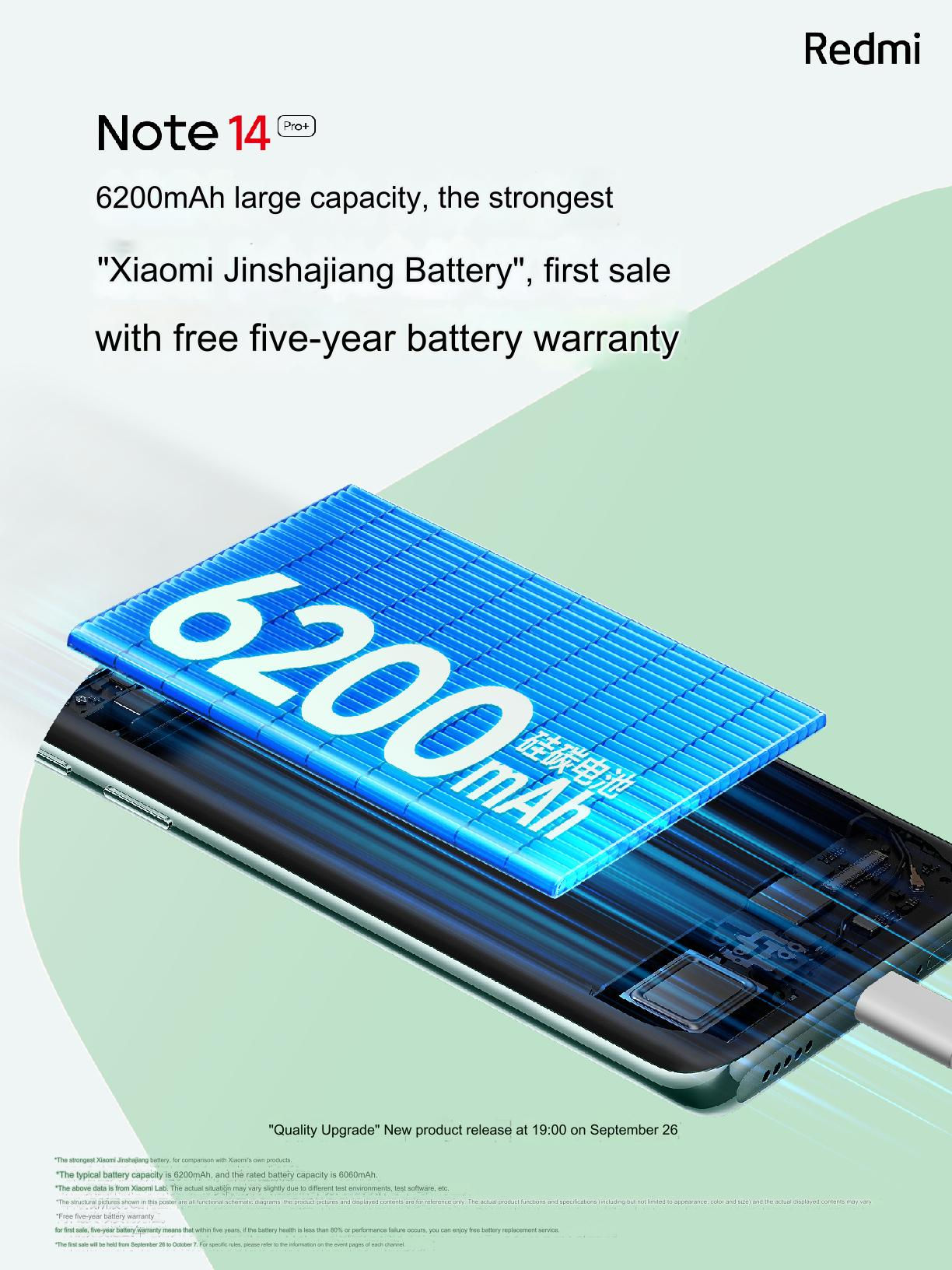
For consumers, the benefit of a 9,000 mAh battery is a direct reduction in charging frequency. If these specifications hold true upon the official product release, users could see a transition from nightly charging to a schedule involving only two or three charges per week. This development is significant for travelers and professionals who rely on mobile devices for extended periods without access to power outlets, providing a practical solution to the persistent issue of battery anxiety.
Regulatory Certification and Industry Impact
Regulatory certification is a mandatory step for any new hardware, and recent filings have provided the most concrete evidence of these forthcoming changes. While the specific model numbers and release dates remain subject to final confirmation by the company, the appearance of these devices in regulatory databases indicates that the design phase is nearing completion. According to official product safety guidelines, all lithium-ion battery implementations must undergo rigorous testing to prevent overheating and ensure long-term cycle stability.
The impact of this shift could influence how competitors approach battery design in the coming year. If a mid-range device can reliably offer multi-day battery life, premium flagship manufacturers may face pressure to adopt similar capacities to remain competitive. This cycle of innovation often leads to rapid improvements in consumer technology, benefiting the end-user by raising the baseline for expected performance across all price points.
What Happens Next for the Redmi Note Series
The next major milestone for the Redmi Note 17 series will be the official product announcement, where final specifications, pricing, and regional availability will be confirmed by Xiaomi. Interested users should monitor official company announcements and authorized retailers for updates on the launch schedule. As with all pre-release hardware, potential buyers should distinguish between verified regulatory filings and speculative reports regarding final retail features.

As we approach the anticipated release window, further details regarding the charging speed—such as the wattage supported for rapid replenishment—will be critical. Charging a 9,000 mAh battery efficiently will require advanced fast-charging protocols to avoid excessively long wait times when the device is plugged in. We will continue to track official documentation as it becomes available.
Have you found that current battery life expectations meet your daily needs, or would you prioritize a larger battery even if it meant a slightly thicker handset? Share your thoughts in the comments below, and stay tuned to our technology section for the latest updates on these developments.