
The family musical “How Was the Rabbit Born?” (토끼가 어떻게 생겼소?) is set to debut in Sydney, bringing traditional Korean performing arts, known as Gugak, together with environmental education for children. The production, organized to address global marine pollution through an interactive theatrical experience, will be performed for local audiences to promote ecological awareness through cultural engagement.
According to Nam, the musical reinterprets the pressing issue of ocean waste in a manner accessible to young children. The central philosophy of the performance focuses on experiential learning, shifting the focus from passive observation to active participation. By integrating traditional music with contemporary environmental themes, the organizers aim to provide a pedagogical tool that functions through play rather than formal instruction.
Gugak and Environmental Literacy
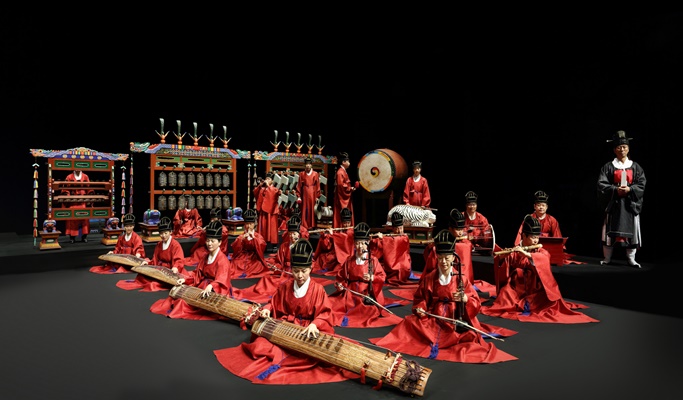
Gugak, the broad term for traditional Korean music, serves as the foundation for the musical’s narrative structure. By utilizing rhythmic patterns and vocal styles rooted in Korean heritage, the production seeks to connect children with their cultural identity while simultaneously delivering a critical message regarding the health of the world’s oceans. The choice of marine debris as the primary subject aligns with broader international efforts to educate younger generations on the impacts of plastic pollution and ecosystem degradation.
The production team emphasizes that the theatrical medium allows for a softer, more intuitive approach to teaching complex environmental concepts. Rather than presenting abstract statistics, the musical uses characters and song to demonstrate the lifecycle of waste and the importance of conservation. This approach is consistent with contemporary educational strategies that favor “learning through play.”
Cultural Outreach in Sydney
Sydney has become a significant hub for Korean cultural exports, with various organizations working to bridge the gap between the local Korean diaspora and the wider Australian public. The performance of “How Was the Rabbit Born?” is part of a growing trend of cultural diplomacy where traditional arts are utilized to address universal challenges, such as climate change and environmental sustainability.
For the local community, the event offers a rare opportunity to experience Gugak in a modern, applied context. The organizers have indicated that the Sydney tour is designed to encourage families to discuss environmental habits in their own homes, effectively extending the impact of the performance beyond the theater walls. The integration of traditional rhythm with modern social themes is intended to make the art form more relatable to children who are increasingly exposed to global environmental issues through school curriculums and media.
The Impact of Interactive Theater
Interactive theater for children has been shown to increase engagement levels significantly compared to traditional, static performances. By allowing children to participate in the storytelling process, the production team aims to foster a sense of individual agency regarding environmental protection. The play’s structure encourages children to identify with the characters’ struggles, which often mirror real-world problems like the accumulation of microplastics in aquatic environments.

The production’s emphasis on “play-based learning” is a strategic choice. By removing the pressure of a classroom environment, the musical allows children to process difficult realities about the planet’s health in a safe, creative space. This method is effective for translating the complexities of environmental science into actionable, moral lessons that resonate with a younger demographic.
Future Performance Schedules
As of this reporting, the production team has not yet released the final dates for the Sydney leg of the tour. Families and interested attendees are encouraged to monitor official announcements from local Korean cultural centers and community venues for updates on ticketing and performance times. The organizers have signaled that they plan to host a series of follow-up workshops alongside the performances to further explore the themes presented on stage.
The success of this production will be measured not only by attendance but by the ability of the musical to inspire long-term environmental habits among its young audience. As global interest in sustainable living continues to rise, projects that combine traditional heritage with modern ecological advocacy are likely to play an increasingly important role in community education. Readers are invited to share their thoughts on the intersection of cultural arts and environmental education in the comments section below.
Keep reading