
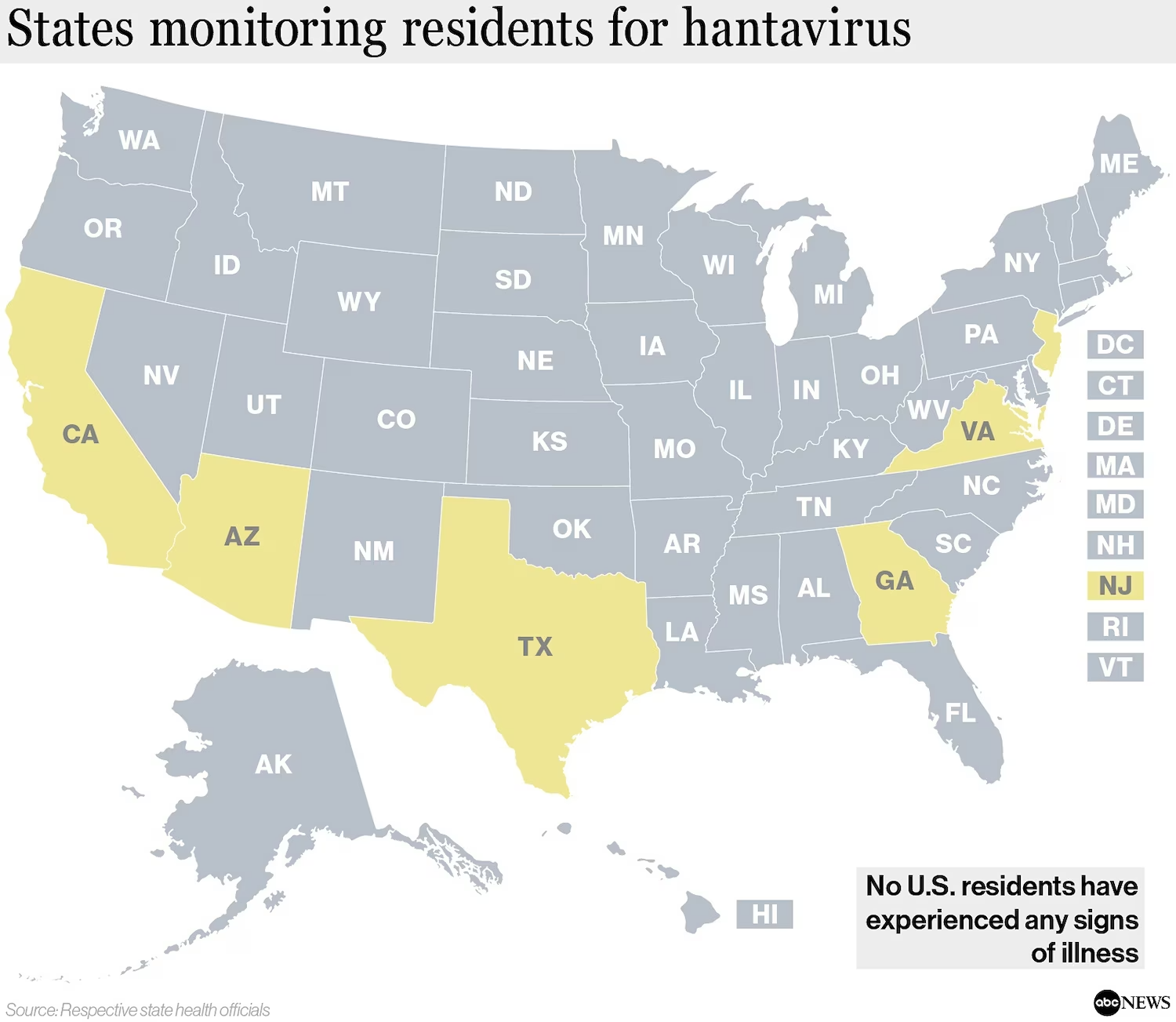
The U.S. Centers for Disease Control and Prevention (CDC) continues to monitor a cluster of Hantavirus Pulmonary Syndrome (HPS) cases, emphasizing that while the virus remains a rare public health concern, environmental precautions are essential in regions where rodent populations interface with human activity. As of June 2026, federal health officials are coordinating with state health departments to track transmission patterns, noting that hantaviruses are primarily transmitted to humans through inhalation of aerosolized particles from the urine, droppings, or saliva of infected rodents, specifically the deer mouse.
Public health experts stress that Hantavirus Pulmonary Syndrome is not transmitted from person to person, a critical distinction for community safety. According to the CDC’s official guidance on Hantavirus, the illness begins with flu-like symptoms—including fever, muscle aches, and fatigue—before rapidly progressing to respiratory distress. Early medical intervention is vital, as the disease carries a significant mortality rate if left untreated. Patients who suspect exposure after cleaning enclosed spaces like sheds, cabins, or barns should seek medical evaluation immediately and inform their healthcare provider of the potential contact with rodent-infested environments.
Understanding Hantavirus Transmission Risks
The primary risk factor for Hantavirus infection is the disturbance of rodent-contaminated materials. When individuals clean areas that have been closed for long periods, they risk kicking up dust or droplets containing the virus. The CDC advises using “wet cleaning” methods, such as spraying rodent waste with a disinfectant solution before sweeping or vacuuming, to prevent particles from becoming airborne. This simple protocol significantly reduces the risk of inhalation, which remains the leading route of transmission for the virus in North America.

Geographically, the incidence of Hantavirus is most frequently associated with the Western United States, though the virus is present in various rodent species across the country. The CDC maintains active surveillance to identify hotspots where rodent populations may have higher-than-average infection rates. Residents in rural areas or those frequently utilizing seasonal structures are encouraged to seal entry points to their homes to prevent rodent infestations, thereby eliminating the source of the pathogen.
Clinical Recognition and Diagnostic Challenges
Clinicians are advised to maintain a high index of suspicion for HPS when evaluating patients with unexplained acute respiratory failure, particularly if those patients have a history of recent outdoor activity or contact with rodents. Because the early symptoms of Hantavirus mimic influenza or other common viral infections, diagnosis can be challenging in the initial phases. The clinical criteria for diagnosis typically involve a combination of patient history, physical examination, and specific serological testing to detect antibodies against the virus.
There is currently no specific cure or vaccine for Hantavirus, making supportive care in an intensive care unit the standard treatment protocol. This includes oxygen therapy and, in severe cases, mechanical ventilation. Because the disease can deteriorate rapidly, the CDC emphasizes that “time is muscle” regarding lung function. Patients who present with shortness of breath following a potential exposure should be monitored closely for signs of pulmonary edema, a hallmark of the severe phase of the syndrome.
Environmental Management and Prevention Strategies
Preventing Hantavirus infections relies heavily on integrated pest management. The Environmental Protection Agency and the CDC recommend a three-pronged approach: sealing homes, trapping rodents to reduce populations, and eliminating food sources that attract mice. Sealing gaps as small as a dime is often sufficient to prevent deer mice from entering living spaces. For those working in areas where rodent activity is known, wearing personal protective equipment—including respirators and gloves—is strongly recommended during cleanup operations.
As the summer season progresses, the CDC plans to provide ongoing updates regarding case counts and regional risks. Residents are encouraged to monitor the official CDC Hantavirus portal for the latest technical bulletins and public health advisories. The agency is expected to release a comprehensive summary of the 2026 surveillance data later this year to help refine local health outreach strategies. We encourage readers to share this information with neighbors and family members who may be planning summer renovations or seasonal cabin openings to ensure widespread awareness of these critical safety measures.