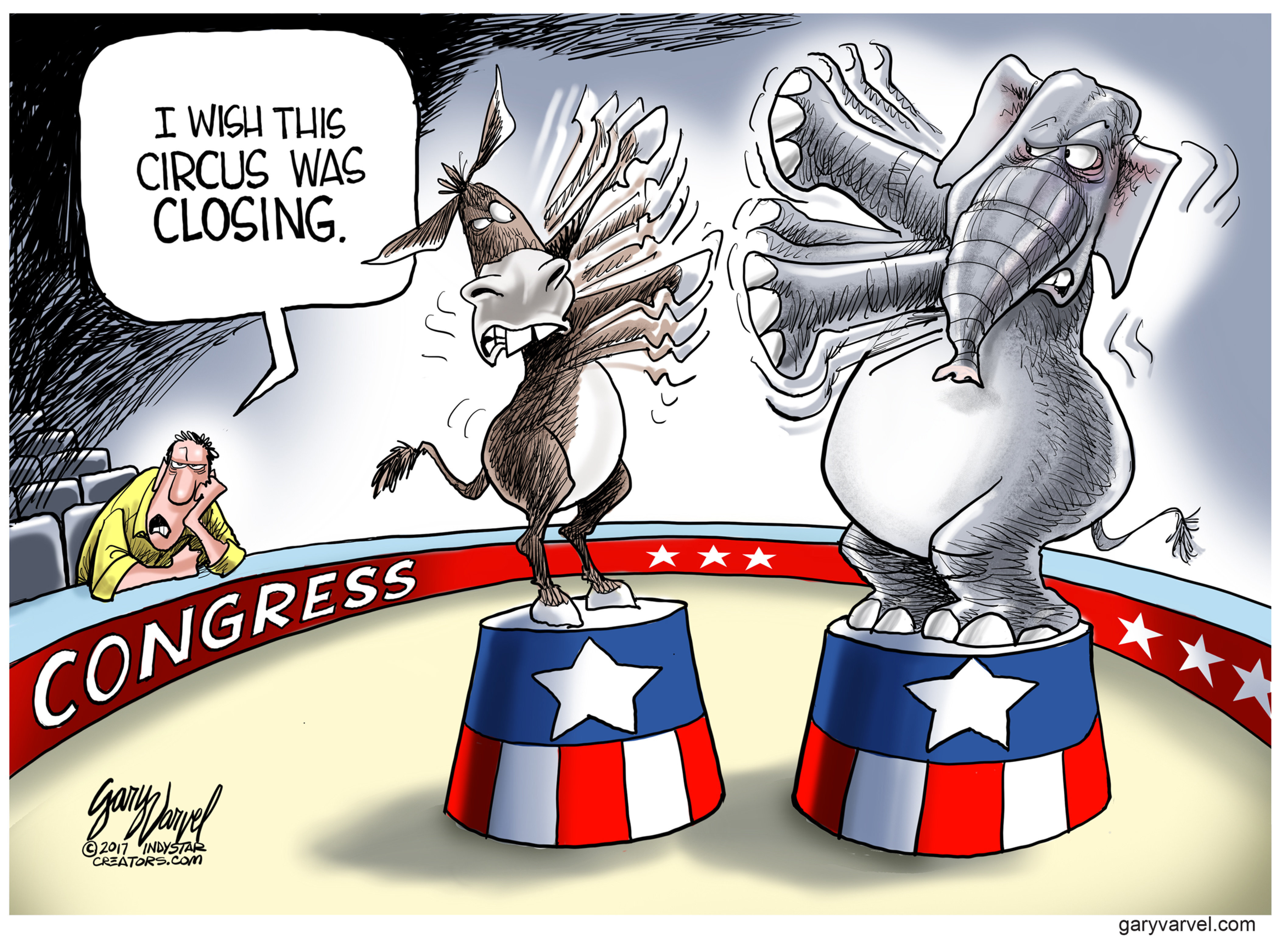
The intersection of contemporary political discourse and visual satire has found a new focal point in Germany, where recent exhibitions are highlighting the role of cartoons in addressing complex societal issues ranging from medical trends to administrative restructuring. At the heart of this movement is the Caricatura gallery, which serves as a venue for examining how political cartoons function as both a medium for entertainment and a tool for critical social analysis, according to gallery director Martin Sonntag.
The current exhibition, which explores themes as diverse as the societal obsession with weight-loss medications—often referred to as “Abnehmspritzen”—and the creation of new governmental structures like the “Heimatministerium,” or Ministry of Home Affairs, reflects a broader trend in European political commentary. By utilizing satire to distill complex policy decisions into singular visual narratives, these artists provide a lens through which the public can process rapid legislative and cultural shifts. According to Caricatura Kassel, the gallery consistently aims to bridge the gap between high-level policy debate and accessible public critique.
The Role of Satire in Modern Political Discourse
Political cartoons have historically functioned as a barometer for public sentiment, and their relevance remains high in an era of polarized digital communication. Martin Sonntag, who has led the Caricatura gallery in Kassel for years, notes that these works are not merely comedic outlets but are “politically significant” while maintaining their ability to amuse. This dual function allows exhibitions to engage audiences who might otherwise bypass traditional editorial content in favor of more digestible visual formats.

The focus on topics like the German Federal Ministry of Health’s ongoing debates regarding medical availability and the administrative nuances of the Ministry of the Interior highlights how artists react to real-time government actions. By focusing on specific legislative developments, such as the implementation of new bureaucratic departments or the public health implications of pharmaceutical trends, cartoonists force a confrontation with the absurdities inherent in modern governance. This method of engagement is verified by the consistent attendance and critical reception of such exhibitions, which serve as a community forum for discussing the impacts of federal policies on the daily lives of citizens.
Analyzing Current Trends in Visual Commentary
The thematic range of these exhibitions—from the cultural impact of weight-loss drugs to the structural reorganization of government ministries—demonstrates the versatility of the medium. When artists tackle the “Abnehmspritze” (weight-loss injection) phenomenon, they are often critiquing the intersection of medical necessity, cosmetic industry influence, and the pressures of modern lifestyle culture. These visual critiques are essential for fostering a public dialogue that moves beyond the marketing language often found in mainstream media.
Similarly, satire directed at the “Heimatministerium” taps into long-standing debates regarding national identity and the role of the state in preserving cultural heritage. By placing these diverse topics under one roof, curators create a space where the audience can observe the consistency of political satire across different spheres of life. According to archival records from the City of Kassel, the institution has long been recognized as a hub for such critical artistic expression, providing a platform that remains independent of direct government influence.
Why Contextualizing Satire Matters
For the global reader, understanding the German context of these cartoons requires recognizing the specific political climate in which they are produced. The Federal Republic of Germany maintains a robust tradition of political satire that is protected under the framework of artistic freedom. This freedom allows for the sharp critique of government officials and policies, an essential component of a functioning democracy. Unlike in regions where political commentary may be restricted, the German approach encourages the use of humor as a legitimate form of journalistic critique.
The impact of these works is measurable through the sustained engagement of the public and the recurring nature of these exhibitions. As the gallery continues to curate new shows, the focus remains on ensuring that the art serves as a catalyst for reflection. Whether dealing with the intricacies of administrative reform or the societal implications of new pharmaceuticals, these cartoons serve as a vital, if often overlooked, element of the democratic process.
What Happens Next?
The Caricatura gallery is scheduled to continue its programming throughout the upcoming season, with new exhibitions expected to address the evolving political landscape in Germany and the European Union. Interested parties can track future show dates and artist features directly through the official exhibition schedule, which provides the most accurate information regarding upcoming appearances and gallery hours. The next official update regarding new installations is expected in the coming quarter, as the gallery rotates its focus to reflect the most current political events.

Readers are encouraged to participate in the conversation by sharing their thoughts on the role of political satire in their own regions. If you have visited the exhibition or have insights into how visual media is shaping the political discourse in your country, please leave a comment below or share this article to broaden the discussion.
Worth a look