
A new documentary, “Leo in Rome,” has been released to examine the historical tenure and influence of Pope Leo XIV within the context of his work in the Eternal City. The production, which relies on archival research and expert commentary, seeks to provide a comprehensive look at the pontiff’s administrative and spiritual footprint, offering audiences a detailed perspective on his challenges and achievements during his time in the Vatican.
The documentary serves as an educational resource for those interested in modern ecclesiastical history and the specific policy shifts that occurred during the papacy of Leo XIV. By focusing on his life in Rome, the film highlights how the city served as both a backdrop and a catalyst for his leadership decisions. The project aims to clarify the complexities of his governance, particularly regarding his public-facing initiatives and internal administrative reforms, according to official production summaries.
Historical Context of the Papacy in Rome
The role of a Pope in Rome extends beyond spiritual leadership, encompassing roles as a diplomat, administrator, and cultural steward. “Leo in Rome” addresses these multifaceted responsibilities by documenting the specific historical environment in which Leo XIV operated. According to records maintained by the Holy See, the administrative burdens of the papacy have historically required a delicate balance between local Roman governance and global institutional management.
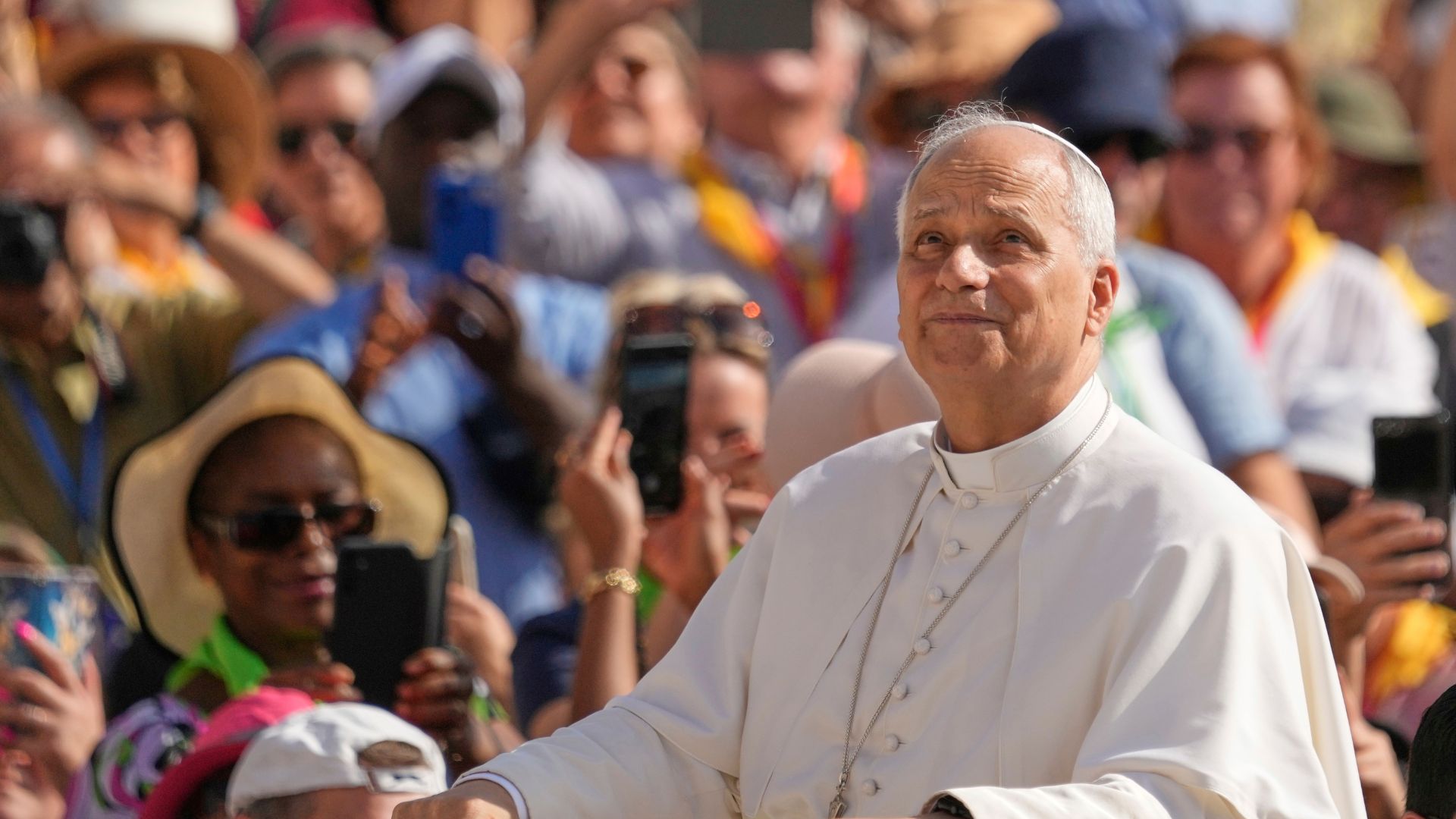
The documentary utilizes a narrative structure that tracks the Pope’s movements throughout the city, connecting his spiritual mandates to the physical landmarks of Rome. This approach allows viewers to understand how the urban geography of the city shaped the accessibility and reach of his message. Experts featured in the film note that the relationship between the Vatican and the city of Rome remains a foundational element of the Catholic Church’s global identity, a dynamic that has been analyzed by scholars at institutions such as the Pontifical Gregorian University.
Documentary Production and Archival Access
The filmmakers were granted access to archival materials that provide a closer look at the correspondence and daily logs of the Vatican during the period in question. This access is significant because it allows for the verification of events that were previously known only through secondary accounts. By relying on primary documentation, the documentary aims to move beyond anecdotal history to provide a more rigorous, evidence-based account of Leo XIV’s tenure.

The production team involved historians and archivists who specialize in 20th and 21st-century religious history. Their involvement ensures that the narrative remains grounded in documented reality rather than speculation. For those interested in the underlying research, the Vatican Apostolic Library provides extensive digital collections that serve as the foundation for modern historical inquiry into papal records.
Why the Legacy of Leo XIV Matters
Understanding the legacy of a specific papacy is essential for grasping the current trajectory of the Church. Leo XIV’s decisions regarding outreach and institutional transparency continue to influence modern Vatican policy. Observers often point to his tenure as a period of transition where the Church began to engage more directly with the complexities of modern secular society, as reported by independent analyses of Vatican communications.
The documentary invites viewers to consider the long-term impact of these policies. By focusing on his time in Rome, the film illustrates how local decisions often have global implications. This is particularly relevant for students of international relations and religious studies, as the Vatican’s diplomatic status remains a unique entity in global politics, regulated by the United Nations observer status and various international treaties.
Viewing and Future Updates
“Leo in Rome” is currently available for viewing through official channels associated with the production. For those seeking further information on the life of the Pope or upcoming historical features, the Vatican’s official web portal remains the primary source for updates and documentation. The project is expected to be part of a larger series of archival releases, though specific dates for future installments have not yet been announced.
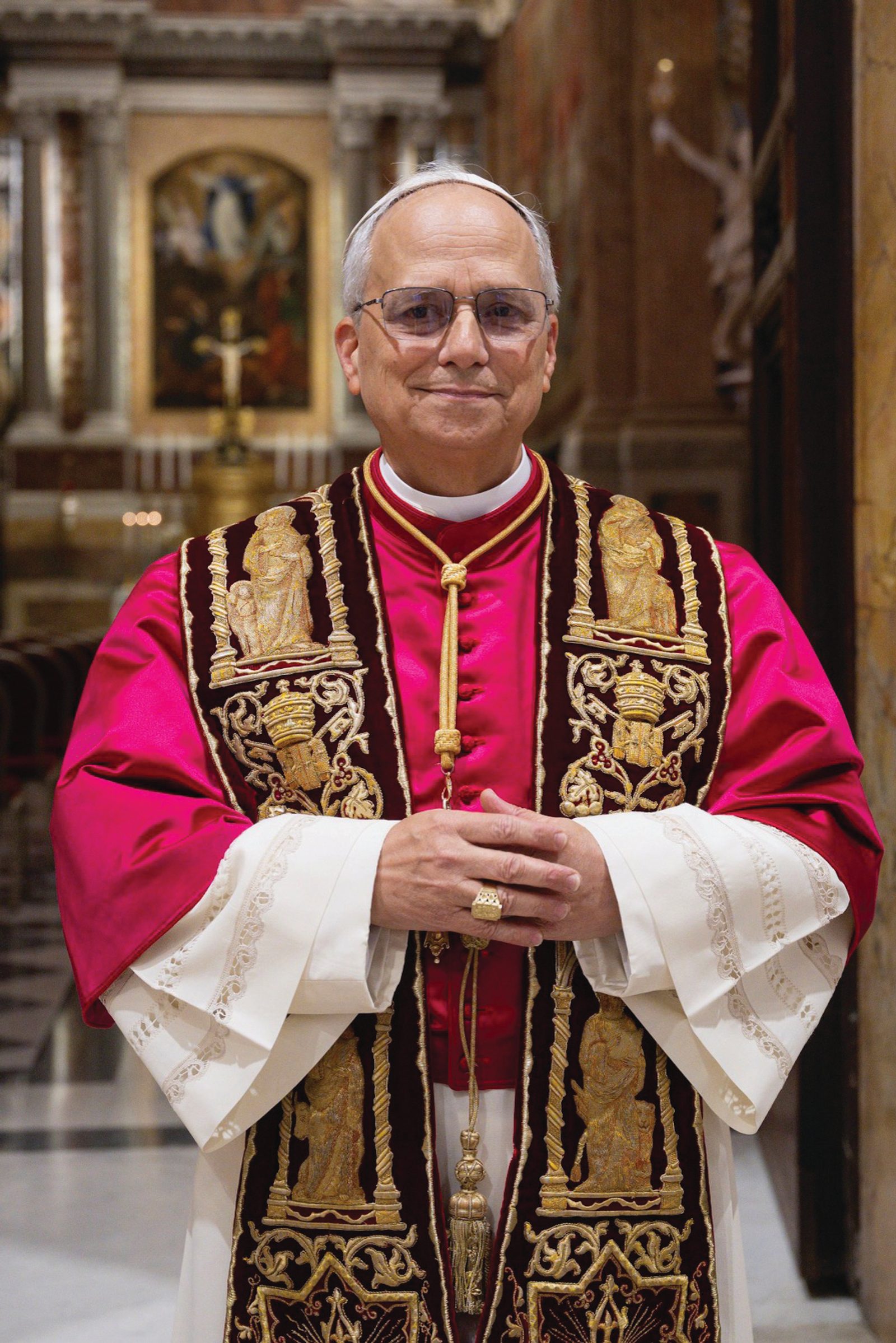
As academic and public interest in papal history continues to grow, scholars suggest that the digitization of the Vatican archives will likely lead to further reassessments of recent pontificates. Those interested in the ongoing dialogue surrounding this documentary are encouraged to follow official news releases from the relevant cultural and religious institutions. Please share your thoughts on the impact of this historical documentation in the comments below.
Related reading