
French authorities have enacted strict public safety measures, including alcohol sales bans and the cancellation of outdoor events, as the country braces for a second consecutive weekend of extreme heat. Météo-France, the national meteorological service, has placed several departments under red and orange alerts, signaling a significant risk to public health due to temperatures expected to exceed 40°C (104°F) in some regions. These measures aim to curb heat-related medical emergencies and manage the increased pressure on emergency services during the peak of the summer season.
The decision to restrict public gatherings and alcohol consumption follows a series of heatwaves that have tested France’s infrastructure and emergency response systems. With the national weather agency, Météo-France, reporting that heatwaves are becoming more frequent and intense due to climate change, local prefectures are utilizing emergency powers granted under the French Civil Protection Code to mitigate risks. These actions are intended to prevent dehydration and alcohol-related accidents, which are identified as significant complications during periods of prolonged thermal stress.
Public Safety Measures During Heatwave Alerts
Local prefectures across the affected departments have issued formal decrees restricting the sale of alcohol, particularly in areas where large crowds typically gather for summer festivities. These restrictions are not uniform across the nation but are tailored to specific departmental risk assessments. In many instances, the sale of alcohol in public spaces is prohibited, and businesses are directed to limit outdoor service during the hottest hours of the day. According to the French Public Health Agency (Santé publique France), the combination of high ambient temperatures and alcohol consumption significantly increases the risk of heatstroke and cardiovascular stress.

Beyond alcohol bans, the Ministry of the Interior has advised local officials to review the safety protocols for all outdoor events. Many festivals, concerts, and amateur sporting fixtures have been canceled or rescheduled for cooler times of the day. This proactive stance reflects a shift in crisis management, moving toward early intervention to prevent the saturation of hospital emergency departments, which have historically seen an uptick in patients during extreme heat events.
Impact on Tourism and Outdoor Events
The cancellations represent a substantial disruption to the peak tourist season. France, which remains one of the world’s most visited destinations, is currently navigating the balance between maintaining its summer cultural calendar and ensuring the safety of both residents and visitors. Organizers of large-scale events are now required to provide adequate shade, cooling stations, and free access to water to be permitted to operate. The Ministry of Economy and Finance has noted that while these cancellations have a localized economic impact, they are deemed necessary to preserve public safety and avoid liability issues associated with heat-related incidents.
For those attending events that remain open, authorities recommend adhering to the “canicule” (heatwave) protocols: staying hydrated, seeking shade, and limiting physical exertion between 11:00 AM and 9:00 PM. Local municipalities have opened “cool rooms” (salles fraîches) in public buildings to provide a sanctuary for vulnerable populations, including the elderly and those without air conditioning in their residences.
How Authorities Monitor the Crisis
The French government utilizes a four-tier vigilance system—green, yellow, orange, and red—to communicate the severity of meteorological events. The government portal provides real-time updates on which departments are under specific restrictions. When a department is moved to a “red” alert, it triggers a mandatory activation of local crisis units, which coordinate between law enforcement, medical professionals, and civil society organizations to monitor the situation on the ground.
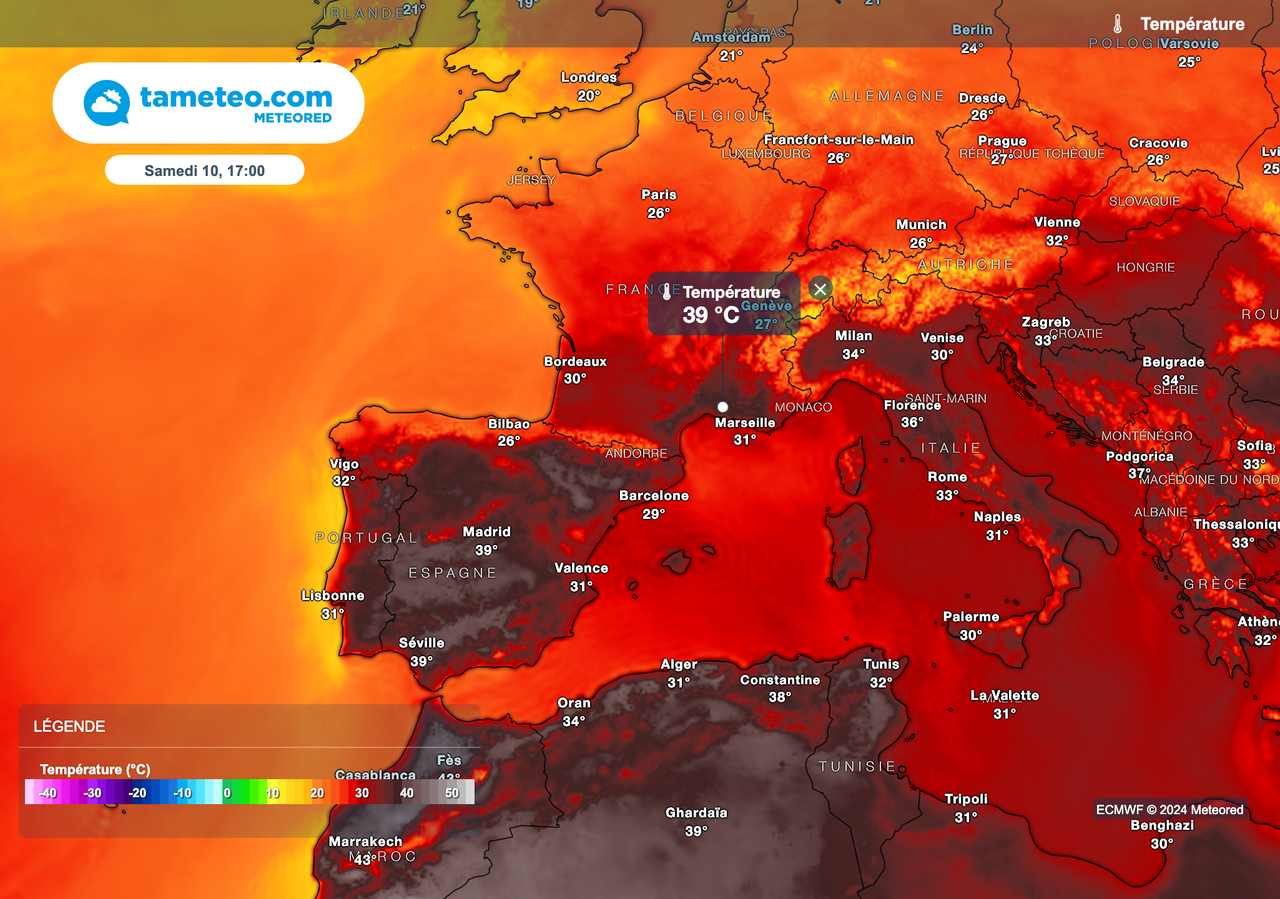
Data from the national health surveillance systems are updated daily to track heat-related hospitalizations and mortality rates. This granular approach allows officials to scale back or intensify restrictions based on the specific micro-climate conditions of each department. Residents are encouraged to monitor the official Météo-France vigilance map for the most accurate information regarding their specific location, as conditions can shift rapidly depending on atmospheric pressure and wind patterns.
The current heatwave is expected to persist through the weekend, with a potential cooling trend beginning early next week, according to the latest bulletins from meteorological experts. Authorities will review the necessity of the current restrictions on Monday morning. Please share your experiences or local updates in the comments section below as we continue to track the situation across the country.
- Uttarakhand Tunnel Tragedy: 6 Dead, 2 Missing as Water and Debris Flood THDC Project in Chamoli
- Trump’s Iran Disaster: How Donald Trump Is Becoming the New Jimmy Carter
- Birkenstock Raises Annual Sales Forecast Following Strong Quarterly Revenue (newsdirectory3.com)
- Gabriel Attal: Jean-Luc Mélenchon Wants to “Ruin” France Over Debt Claims (archynewsy.com)