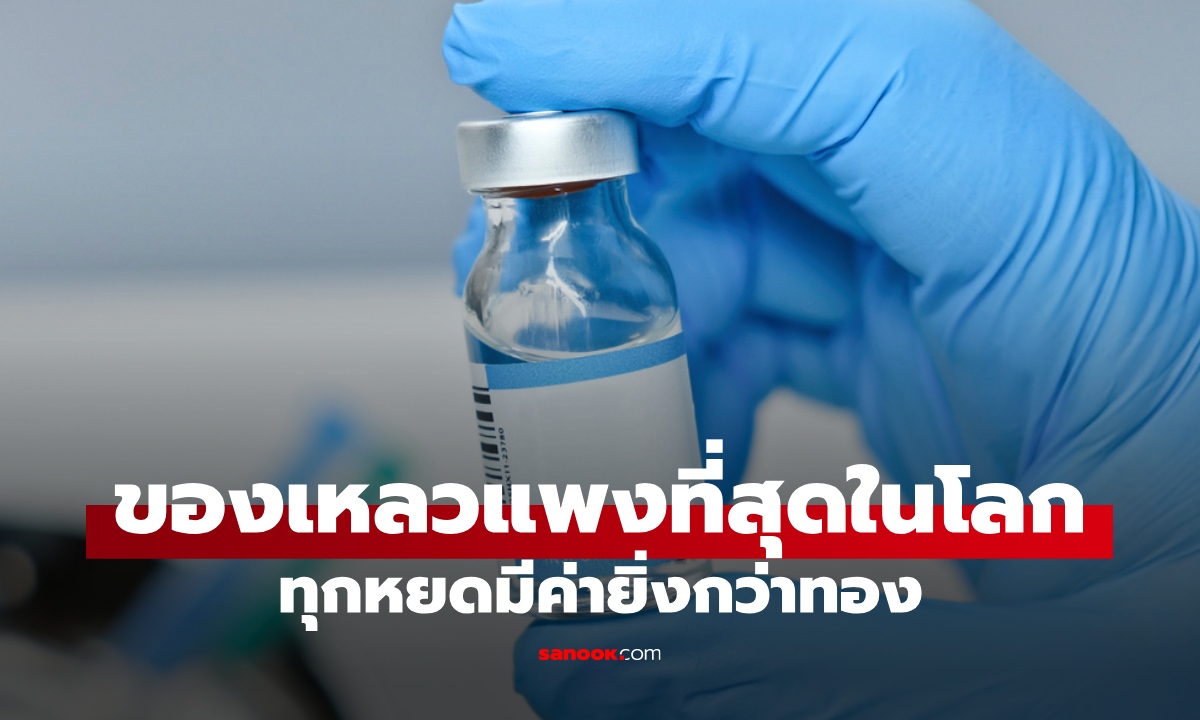
The most expensive liquid in the world, often cited for its extreme valuation, is horseshoe crab blood, which carries a market price frequently estimated at a significant cost per gallon, or approximately a substantial amount per liter, due to its critical role in pharmaceutical safety testing. While various social media reports and viral claims suggest figures reaching into the millions of dollars per liter, official industry data confirms that the high value stems from the unique biological properties of the blood, specifically its ability to detect bacterial contamination in medical products.
The Biological Necessity of Horseshoe Crab Blood
The high valuation of horseshoe crab blood is not derived from its scarcity in a traditional commodity sense, but from its functional necessity in global healthcare. The blood of the Atlantic horseshoe crab (*Limulus polyphemus*) contains a substance known as Limulus Amebocyte Lysate (LAL). According to the U.S. Food and Drug Administration (FDA), LAL is the industry standard for testing injectable drugs, vaccines, and medical devices for the presence of endotoxins—toxic substances released by bacteria that can cause life-threatening reactions in humans.
When LAL comes into contact with even trace amounts of endotoxins, it coagulates, providing a rapid and reliable detection method. This biological mechanism remains difficult to replicate synthetically. For decades, the pharmaceutical industry has relied on this harvesting process to ensure the safety of the global medical supply chain, a practice overseen by regulatory bodies to manage both the demand for medical safety and the conservation of the species.
Understanding the Economic Valuation
Claims suggesting prices as high as 360 million per liter often conflate the total economic impact or the retail value of end-products with the raw material cost. In practice, the cost is tied to the labor-intensive process of collection and the specialized laboratory processing required to extract the lysate. As reported by the National Geographic Society, the process involves catching the crabs, transporting them to a facility, draining a portion of their blood, and returning them to the ocean.
While the LAL test is a billion-dollar industry, the price per liter is significantly lower than the viral figures circulating online. The economic value is sustained by the lack of a widely adopted, fully equivalent synthetic alternative that satisfies all regulatory requirements for every type of medical device and drug. The industry continues to monitor the population health of horseshoe crabs, as the U.S. Fish and Wildlife Service maintains guidelines regarding the management and harvest of these marine arthropods to prevent population decline.
Industry Shifts and Synthetic Alternatives
The medical field is currently transitioning toward synthetic alternatives to reduce reliance on animal-derived LAL. Recombinant Factor C (rFC), a synthetic version of the protein that reacts to endotoxins, has been developed as a potential replacement. In 2020, the United States Pharmacopeia (USP) provided guidance on the use of rFC, signaling a move toward more sustainable testing practices in the pharmaceutical sector.
This shift is driven by both environmental concerns and the desire for a more consistent, scalable supply of testing reagents. Companies are now increasingly validating rFC assays to meet regulatory standards, which may eventually alter the market dynamics for horseshoe crab blood. The transition remains a subject of ongoing discussion among regulatory agencies, pharmaceutical manufacturers, and conservationists, as the industry balances the imperative for patient safety with the goal of reducing environmental impact.
Frequently Asked Questions
- Why is horseshoe crab blood so valuable? Its unique ability to coagulate in the presence of bacterial endotoxins makes it essential for testing the sterility of injectable medications and medical implants.
- Is the blood really worth millions of dollars per liter? No. While the pharmaceutical application of the blood supports a massive industry, the actual market price per liter is significantly lower than viral internet claims suggest.
- Are there alternatives to using this blood? Yes, synthetic alternatives such as Recombinant Factor C (rFC) are currently being integrated into pharmaceutical testing protocols to replace animal-derived reagents.
- Do the crabs die during the process? According to conservation reports, the crabs are typically returned to the water after bleeding, though there is a mortality rate associated with the capture and handling process.
The next major update regarding the regulatory status of synthetic endotoxin testing is expected through the United States Pharmacopeia, which regularly updates its standards for pharmaceutical quality control. Readers interested in the intersection of public health and conservation are encouraged to follow official updates from the FDA and environmental agencies for the most accurate data on this evolving medical practice.
Worth a look