
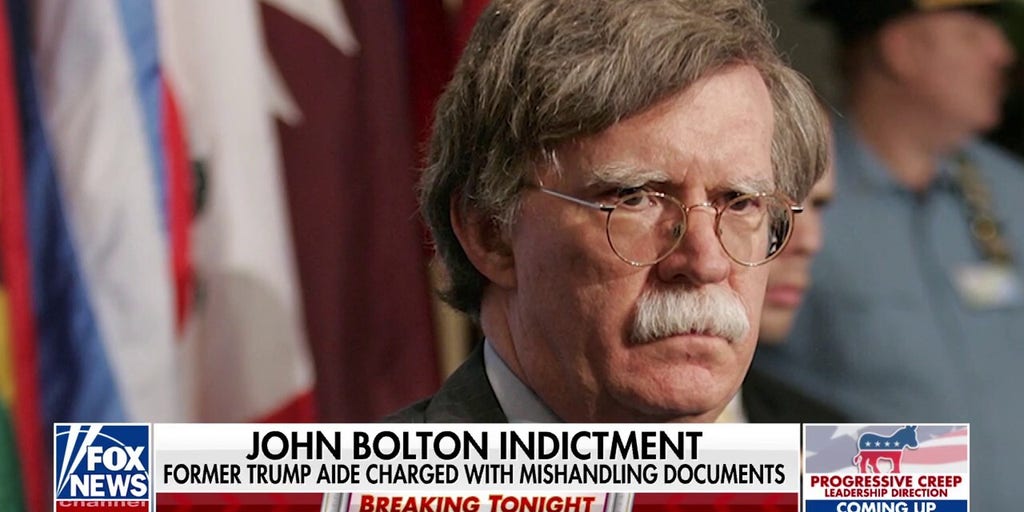
John Bolton has entered a guilty plea regarding the mishandling of classified documents, marking a significant legal development involving a former Trump adviser. The plea, which follows an investigation into the storage and handling of sensitive government materials, places Bolton at the center of a federal inquiry that has drawn comparisons to other high-profile classified information cases in recent years.
According to federal court records, the proceedings concluded with Bolton acknowledging his role in the unauthorized retention of documents marked as classified. This admission follows a period of scrutiny regarding how officials from the 2017–2021 administration managed sensitive intelligence after leaving office.
Legal Context and the Scope of the Inquiry
The investigation into John Bolton’s handling of classified files emerged after federal authorities identified potential lapses in the security procedures followed during his transition out of the White House. While Bolton has been a vocal critic of his former employer, the legal charges against him focus strictly on the procedural violation of the Espionage Act and related statutes governing the handling of government property. Legal analysts note that the case highlights the tension between the public release of memoirs and the government’s interest in protecting intelligence sources and methods.

In cases involving the mishandling of classified documents, the prosecution typically focuses on whether the defendant knowingly removed or retained materials that could cause “exceptionally grave damage” to national security. Under the United States Attorneys’ Manual, federal prosecutors are mandated to evaluate the intent and the level of classification associated with the materials in question. The plea entered by Bolton suggests a resolution to the specific counts brought by the government, though it remains part of a broader, ongoing conversation regarding the security practices of former executive branch officials.
Comparison to Recent Classified Document Cases
This development is often viewed alongside other high-profile investigations into the storage of sensitive materials by former administration officials. While the specific circumstances of each case—including the nature of the documents and the cooperation of the individuals involved—differ significantly, the legal standard for the protection of classified information remains uniform.
The legal process for such cases typically proceeds through a series of federal court hearings, where the defendant enters a plea and the court determines the appropriate sentencing based on federal guidelines. In this instance, the judicial process has moved forward with the formal acknowledgment of guilt, a step that often precedes the final sentencing phase. Experts in national security law frequently point out that the volume of documents and the classification levels involved serve as primary factors in determining the severity of the outcome in such federal proceedings.
What Happens Next in the Legal Process
Following the entry of the guilty plea, the next phase of the case will be the sentencing hearing. The court will review the details presented by both the prosecution and the defense to determine if any mitigating factors apply. According to standard federal procedure, the judge has the authority to impose penalties ranging from financial fines to incarceration, depending on the specifics of the plea agreement reached between the parties.
As of the latest update, no additional hearings have been publicly scheduled beyond those necessary to finalize the sentencing. Readers interested in the status of this case can monitor the federal court docket for official updates and future filings as they become available. Please feel free to share your thoughts or continue the conversation in the comments section below.