
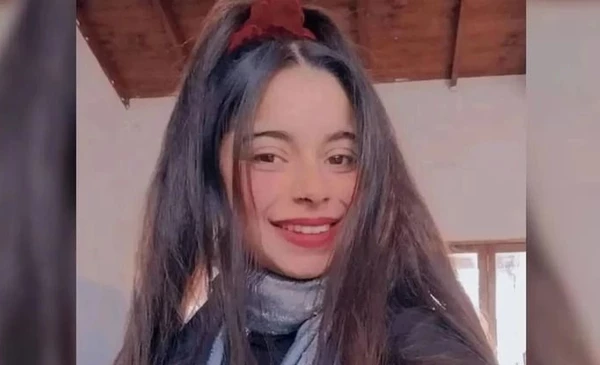
Three years after the death of Iara Nardelli, her family continues to push for a formal investigation into the case as a femicide. Nardelli, who was 16 years old at the time of her disappearance and subsequent death in Mar del Plata, Argentina, was found in July 2023, months after she was last seen. Her mother, María del Carmen Nardelli, has consistently rejected the initial findings of the judicial investigation, arguing that the evidence points to a violent crime rather than accidental death or suicide.
The pursuit of justice in the Nardelli case has been marked by significant procedural hurdles and conflicting reports regarding forensic evidence. According to statements provided by the family, recent efforts have focused on re-examining biological samples to clarify the circumstances surrounding her final hours. The legal strategy currently employed by the family’s representatives seeks to move the classification of the case from its current standing to that of a femicide, a move that would fundamentally alter the scope of the state’s criminal investigation under Argentine law.
Development of the Forensic Inquiry
The case began when Iara Nardelli went missing in early 2023. Her remains were discovered in a vacant lot in Mar del Plata in July of that year, sparking an immediate outcry from local organizations and the victim’s family. Since the discovery, the judicial process has been overseen by the local prosecutor’s office, which initially treated the death with skepticism regarding foul play. The complexities of the investigation were exacerbated by the state of the remains, which made forensic analysis difficult.
In recent months, the family has reported new developments regarding the handling of evidence. María del Carmen Nardelli has stated that new biological samples, including blood extracted during the medical examination process, were sent to laboratories in Junín for specialized testing. These samples, along with clothing recovered from the scene, are central to the family’s argument that the physical evidence was not adequately processed during the initial stages of the inquiry. The family’s legal team asserts that these materials could provide the DNA evidence necessary to identify third-party involvement.
The Legal Classification of Femicide
In Argentina, the classification of a death as a femicide—a crime defined under Article 80 of the Penal Code—triggers specific legal protocols that mandate a gender-perspective approach to investigation. For the Nardelli family, this classification is not merely a label but a requirement for a thorough search for perpetrators. Their legal representatives argue that the circumstances of her disappearance, coupled with the location where her remains were found, are inconsistent with the theory of a self-inflicted death.
The family has frequently criticized the local judiciary for what they describe as a lack of urgency and a failure to protect the integrity of the crime scene. By requesting that the case be investigated as a femicide, the family is attempting to compel the prosecutor’s office to look beyond the immediate vicinity of the remains and investigate potential suspects who may have had contact with Iara in the days leading up to her disappearance. This legal shift is supported by various local women’s rights groups, who have organized marches in Mar del Plata to demand transparency in the proceedings.
What Happens Next in the Judicial Process
As of late 2024, the investigation remains open, though the family continues to express frustration over the pace of the proceedings. The next critical checkpoint involves the submission and peer review of the forensic reports from the laboratories in Junín. These results are expected to be presented to the presiding judge, who will then determine whether there is sufficient cause to reopen the investigation with a focus on homicide.

For those following the case, official updates are typically released through the Department of Public Prosecution (Ministerio Público Fiscal) of the Province of Buenos Aires. The family maintains an active presence in the public sphere, often using local media platforms to share updates on their legal filings. They continue to call for the involvement of specialized federal investigators to ensure that the findings are not influenced by local biases or procedural negligence. The search for justice for Iara Nardelli remains a high-profile case in the region, highlighting the ongoing challenges in the judicial handling of gender-based violence cases in Argentina.