
The 8th Conference of the Arab Parliament and presidents of Arab councils and parliaments has addressed three critical regional priorities: the defense of Al-Quds, the pursuit of Arab digital sovereignty, and the renewal of support for Syria. During the proceedings, Moroccan leadership emphasized the necessity of a unified parliamentary stance to protect regional interests and strengthen collective diplomatic positions.
Moroccan officials and Arab parliamentary leaders are currently focused on integrating legislative efforts to address both traditional geopolitical conflicts and emerging technological challenges. The conference serves as a platform for the heads of various Arab legislative bodies to align their policies on security, sovereignty, and regional stability.
How is Morocco driving the agenda for Arab digital sovereignty?
The President of the Shoura Council has emerged as a vocal advocate for the establishment of “Arab digital sovereignty” during the recent parliamentary sessions. According to reports from the Qatar News Agency, the President emphasized that the Arab world must unify its parliamentary positions to secure its digital infrastructure and data assets. This push for sovereignty aims to reduce regional dependence on external technological frameworks and ensure that legislative protections are consistent across Arab borders.
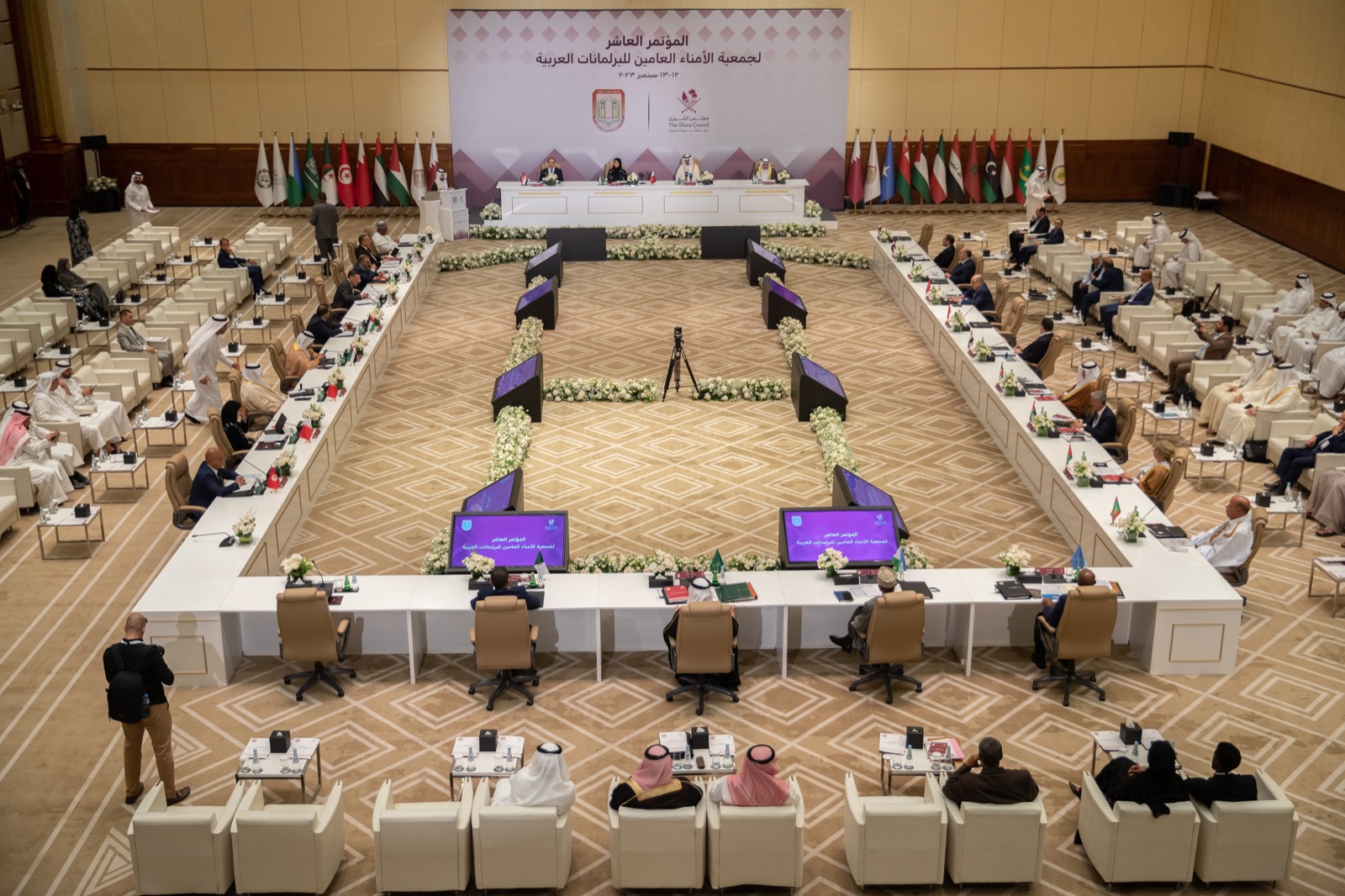
Digital sovereignty in this context refers to the ability of a nation or a regional bloc to control its own digital destiny, including data privacy laws, telecommunications infrastructure, and the development of indigenous technologies. By calling for a unified parliamentary position, the Shura Council President is suggesting that individual national laws are insufficient to combat the globalized nature of digital threats and economic influence.
The move toward digital unity is intended to create a cohesive regulatory environment that can support regional tech growth while protecting citizens from foreign surveillance or data exploitation. Strengthening this sovereignty is viewed by many regional analysts as a prerequisite for long-term economic independence in an increasingly digitized global economy.
What role does the King of Morocco play in the defense of Al-Quds?
The Arab Parliament has formally recognized the role of the King of Morocco in the defense of Al-Quds and the ongoing support for Palestinian resilience. As reported by Maroc Diplomatique, the parliamentary body praised the Moroccan monarch’s consistent diplomatic efforts to protect the status of Jerusalem and support the rights of the Palestinian people.
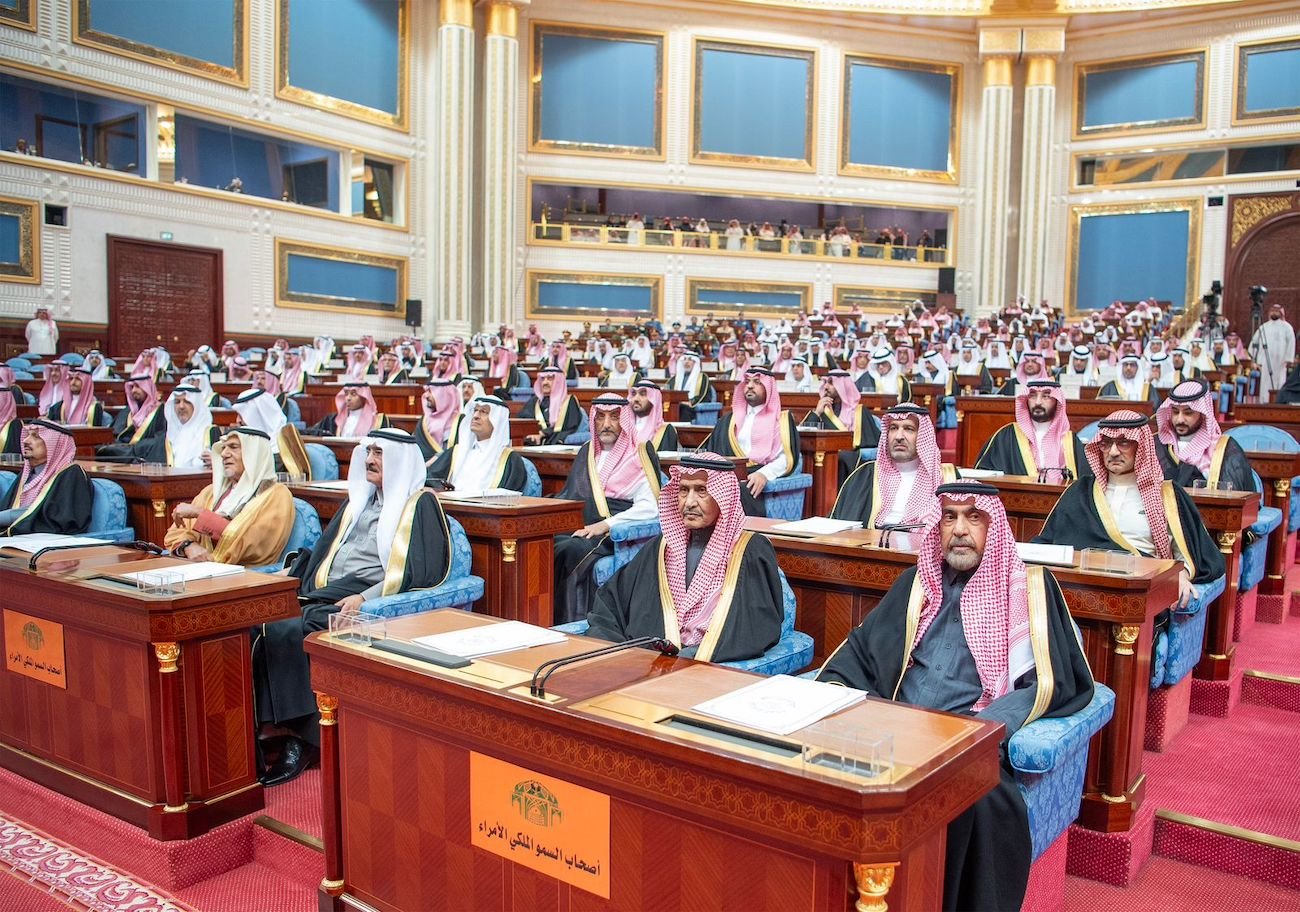
Morocco’s approach to the Palestinian cause has historically centered on the leadership of the King, particularly through the Al-Quds Committee. This committee works to maintain the Islamic and Christian character of the holy sites in Jerusalem and provides support for the city’s inhabitants. The Arab Parliament’s recognition of these efforts underscores the importance of Morocco’s mediation and diplomatic presence in the Middle East peace process.
The emphasis on “resilience” highlights the current focus on the socio-economic and political stability of Palestinian territories. By highlighting the King’s role, the Arab Parliament is signaling a desire for continued high-level monarchical involvement in stabilizing the region and preventing further escalations in the Holy City.
Why has the Arab Parliament renewed its support for Syria?
In a significant move regarding regional reintegration, the 8th Arab Parliament conference has renewed its support for Syria. This development, noted by the Syrian Arab News Agency (SANA), reflects a broader shift in the geopolitical landscape of the Middle East as Arab nations navigate the complexities of the Syrian conflict and the country’s role within the Arab League.
The renewal of support indicates a parliamentary consensus on the need to engage with the Syrian state to address regional security concerns and humanitarian needs. This stance aligns with recent diplomatic trends where several Arab nations have moved toward normalizing relations with Damascus, seeking to resolve long-standing issues through regional dialogue rather than external intervention.
The implications of this renewed support include potential changes in regional cooperation on security, refugee repatriation, and economic reconstruction. For the Arab Parliament, supporting Syria is framed as a step toward restoring regional unity and addressing the vacuum left by years of protracted conflict.
What are the core objectives of the 8th Arab Parliament conference?
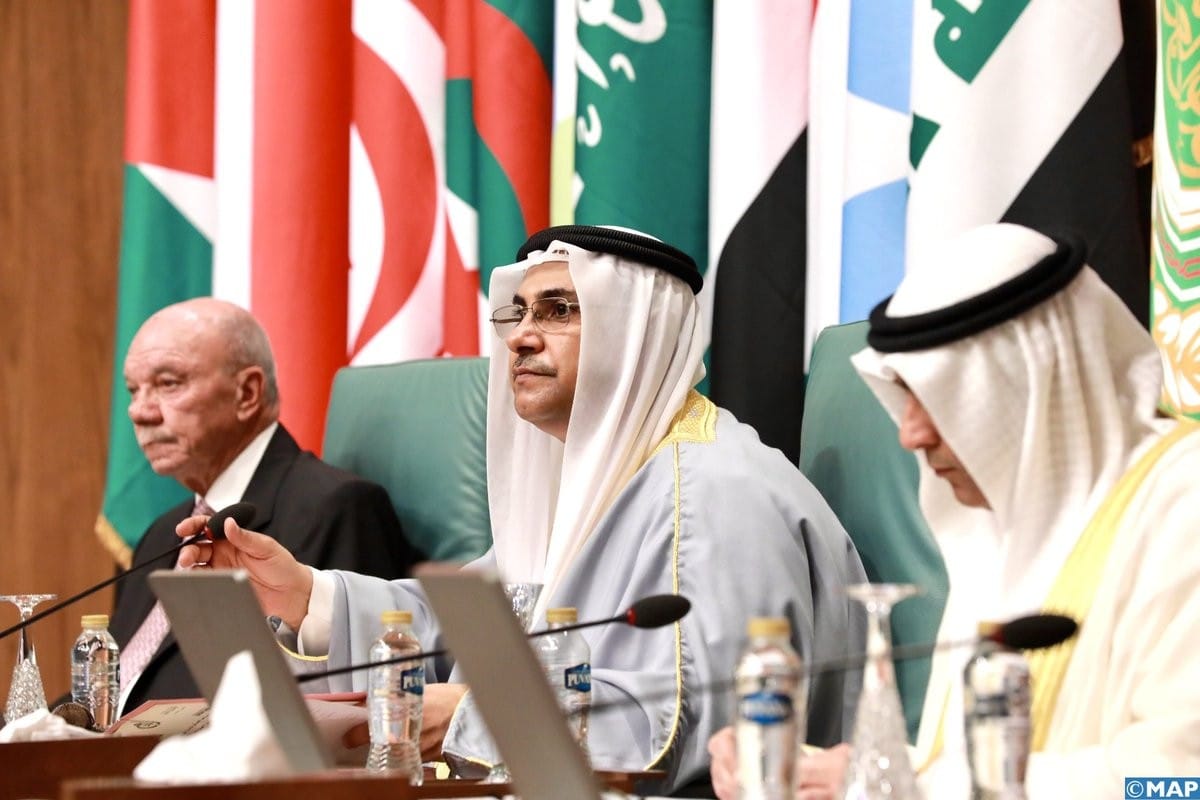
The 8th Conference of the Arab Parliament and the presidents of Arab councils and parliaments is designed to foster inter-parliamentary cooperation and create a synchronized legislative front. The primary objectives identified during the sessions include:
- Unified Legislative Action: Coordinating laws across Arab nations to tackle shared challenges like cybersecurity and digital governance.
- Regional Security Alignment: Developing a collective parliamentary approach to conflicts in Palestine, Syria, and other volatile zones.
- Sovereignty Protection: Strengthening the ability of Arab states to manage their own resources, including digital and territorial assets, without undue external pressure.
- Diplomatic Solidarity: Using parliamentary diplomacy to reinforce the positions of Arab heads of state in international forums.
The participation of the presidents of various Arab councils suggests that the conference is not merely a consultative gathering but a strategic effort to influence the policy directions of member states. By aligning the legislative branches of these nations, the Arab Parliament seeks to provide a more robust support structure for the executive decisions made by the Arab League.
The next scheduled checkpoint for these diplomatic efforts will involve the follow-up sessions of the Arab Parliament to draft specific resolutions based on the discussions held during this 8th conference. Stakeholders will be monitoring these sessions for the formal adoption of the digital sovereignty framework and the specific language used regarding the Syrian and Palestinian situations.
What are your thoughts on the push for Arab digital sovereignty? Do you believe unified parliamentary laws can effectively protect regional data? Share your comments below and share this article with your network.
Keep reading