
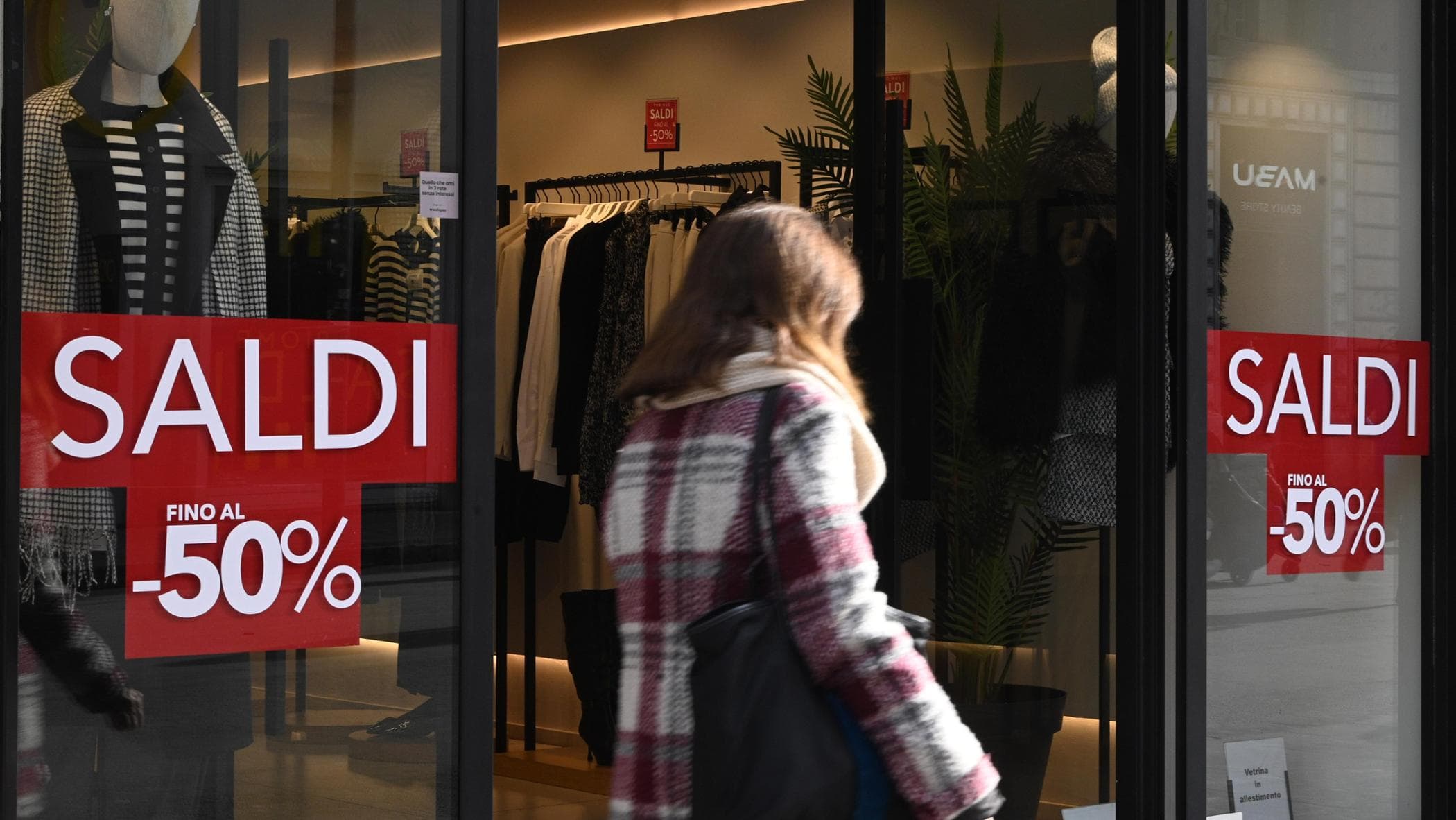
The summer sales season in Italy officially begins in July, with regional calendars dictating the specific start dates for retailers across the country. While national regulations provide a framework for these seasonal discounts, local authorities retain the mandate to set individual start dates, leading to a staggered rollout of promotional activity throughout the Italian peninsula.
According to the official schedules released by regional administrations, the 2026 summer sales period sees most regions initiating their discount cycles in early July. Consumers are advised to consult their specific regional government portal for precise start and end dates, as these vary annually based on local commercial policies and trade association agreements.
Understanding the Regional Sales Calendar
The Italian retail sector operates under a decentralized system where the “saldi estivi” (summer sales) are governed by regional ordinances. This structure allows local governments to balance the needs of merchants with the purchasing patterns of residents and tourists. As reported by the Italian Ministry of Enterprises and Made in Italy, these periods are designed to facilitate the clearance of seasonal inventory while protecting fair competition in the marketplace.

Most regions synchronize their start dates to the first Saturday of July, though exceptions remain common. For instance, northern regions often align their schedules to capture early-summer foot traffic, while southern regions may adjust dates to accommodate peak tourism periods. Retailers are legally required to display the original price, the percentage of the discount, and the final price clearly on all items, a mandate enforced by the Italian Competition Authority (AGCM) to prevent deceptive pricing practices.
Consumer Rights and Return Policies
Understanding your rights as a shopper is essential during the July sales. Under Italian consumer protection law, the rules governing returns and exchanges remain largely consistent, even during discount periods. According to guidance provided by the Udicon (Unione per la Difesa dei Consumatori), retailers are obligated to accept returns if the purchased item is defective or does not match the description provided at the time of sale.

However, if the item is not defective—for example, if a consumer changes their mind about a size or color—the retailer is not legally required to offer a refund or exchange unless they choose to do so as a store policy. It is standard practice for shops to post their specific exchange policy near the cash register. Consumers should always retain their receipt as the primary proof of purchase, which is necessary to exercise any claim under the two-year legal guarantee for goods.
Strategies for Informed Purchasing
Financial analysts and consumer advocates suggest a disciplined approach to seasonal shopping to maximize value. Rather than focusing solely on the percentage of the discount, experts recommend assessing the “cost-per-wear” of high-quality items, such as linen clothing or durable leather goods, which often retain their value longer than fast-fashion alternatives. Monitoring prices in the weeks leading up to the sales can also provide a baseline for identifying genuine markdowns versus artificial price inflation.

Market data from organizations like Confesercenti indicates that while official sales start on specific dates, many retailers engage in pre-sale promotional activities, such as private sales for loyalty cardholders. These early-bird tactics often allow savvy shoppers to secure inventory before the general public rush begins. Transparency remains the key; consumers should verify that the discounted price is truly lower than the price charged in the 30 days prior to the sale, as required by the European Union’s Omnibus Directive.
What Happens Next
Following the July launch, regional authorities will continue to monitor compliance through local police and trade inspection units. The summer sales typically run for a period of six to eight weeks, depending on the region. Consumers who encounter suspected cases of unfair commercial practices—such as failing to display the original price or refusing returns on defective goods—are encouraged to report these incidents to their local municipal office or the regional consumer protection bureau.

Updates regarding the conclusion of the sales season will be published by regional trade departments as the end dates approach. For further information on navigating these sales, readers are encouraged to share their experiences in the comments section below or visit official regional government websites for the most current, localized data.