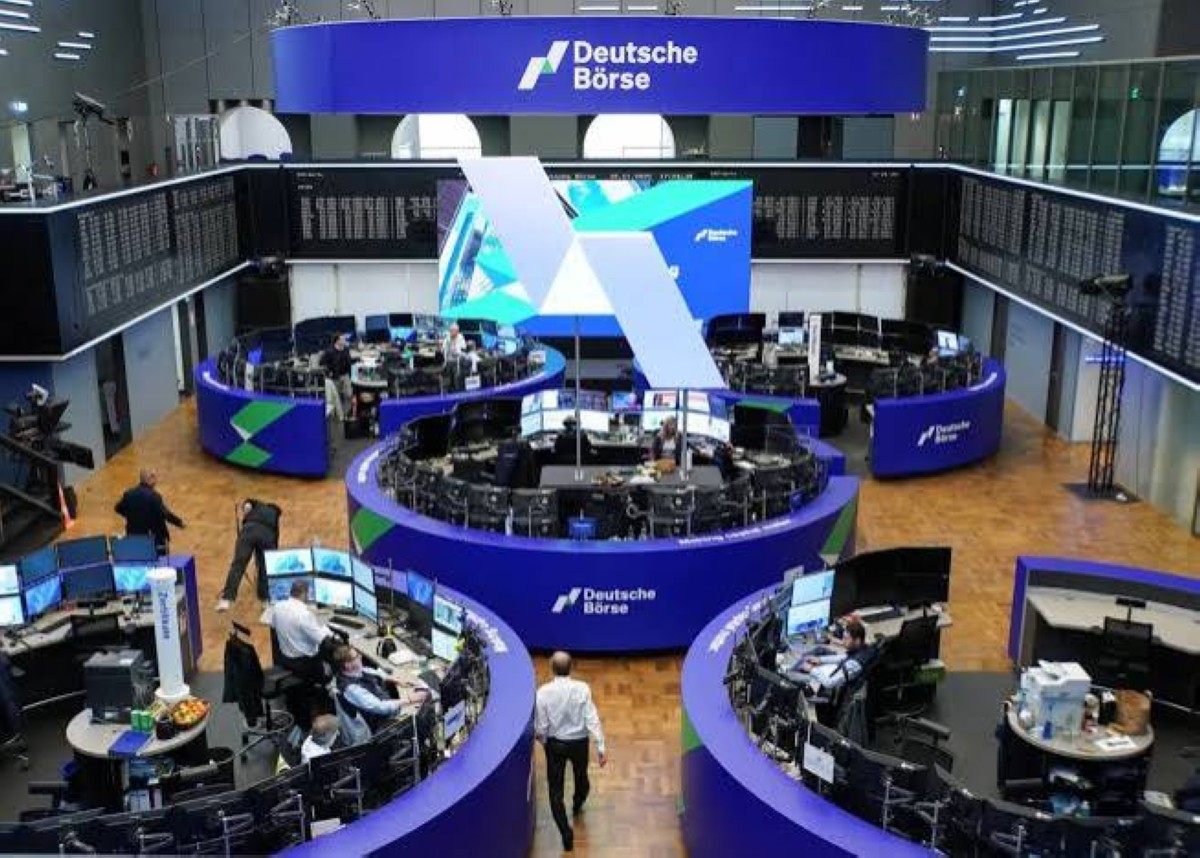
European and Japanese equity markets concluded the trading week on a positive note, driven by a combination of recovering sentiment in the semiconductor sector and shifting expectations regarding global interest rate policies. Major indices across the Eurozone, led by the STOXX 600, recorded significant gains as investors reacted to economic data releases originating from the United States, according to reports from Reuters and CNBC.
The STOXX Europe 600 index maintained a strong upward trajectory throughout the Friday session, securing its best weekly performance in over a month. This rally was largely bolstered by a surge in technology stocks, specifically those linked to semiconductor manufacturing. Market analysts note that the recovery in this sector provided a necessary counterbalance to a broader cooling trend observed within the European defense industry, which faced downward pressure during the same period, as detailed by XTB.
Drivers of the European Market Rally
The primary catalyst for the week’s gains in European markets was the release of weaker-than-expected economic data from the United States. When U.S. labor or manufacturing indicators show signs of softening, market participants often recalibrate their expectations for central bank monetary policy, specifically anticipating a more dovish stance from the U.S. Federal Reserve. According to market analysis from CNBC, this perception of a potential slowdown in U.S. economic momentum often encourages investors to move capital back into European equities, which are perceived as having more room for growth following previous periods of underperformance.

Semiconductor giant ASML played a central role in the day’s market action. As a critical supplier to the global chip manufacturing industry, the company’s stock performance often serves as a bellwether for the tech sector. Positive movement in ASML’s valuation helped stabilize and lift broader indices, effectively offsetting the volatility seen in other sectors like defense, which has been sensitive to geopolitical shifts and government spending announcements throughout the quarter, as noted by XTB.
Global Market Correlation and Asset Performance
The positive momentum was not confined to Europe. Japanese markets also saw the “green” indicators typical of a rising market as they tracked international sentiment. The interconnectedness of global tech supply chains means that when European semiconductor stocks perform well, their counterparts in Tokyo often mirror that activity due to shared dependencies on global demand cycles and capital expenditure trends within the tech industry.
Furthermore, the gold market experienced a notable surge, reaching its highest levels since May. Gold is traditionally viewed as a “safe-haven” asset; its simultaneous rise alongside equities is often interpreted by financial economists as a sign of underlying uncertainty regarding long-term inflation and currency stability. While equity investors are currently favoring risk-on assets, the concurrent demand for gold suggests that institutional investors are hedging against potential volatility in the coming months, according to independent market reports.
What Investors Should Watch Next
The immediate focus for global markets remains the upcoming cycle of central bank meetings and the subsequent release of inflation data. Investors are currently monitoring the European Central Bank (ECB) and the U.S. Federal Reserve for any shifts in forward guidance that might alter the current “bullish” trend observed at the close of this week. Market participants typically look for updates in the following areas:

- Upcoming U.S. non-farm payroll data, which serves as a primary indicator for Federal Reserve policy decisions.
- Quarterly earnings reports from major European industrial firms, which will provide a clearer picture of the impact of current interest rate environments on corporate margins.
- Official statements from the Bank of Japan regarding their yield curve control policies, which continue to influence global bond market stability.
As the markets look toward the next trading cycle, the sustained performance of the STOXX 600 will likely depend on whether the recent tech-driven optimism can be maintained in the face of persistent macroeconomic headwinds. Readers interested in tracking these developments can find official updates through the European Central Bank’s official communications portal or by reviewing the latest Federal Reserve meeting minutes.
What is your outlook for the European markets in the coming month? Join the discussion in the comments section below and share your analysis with our global financial community.