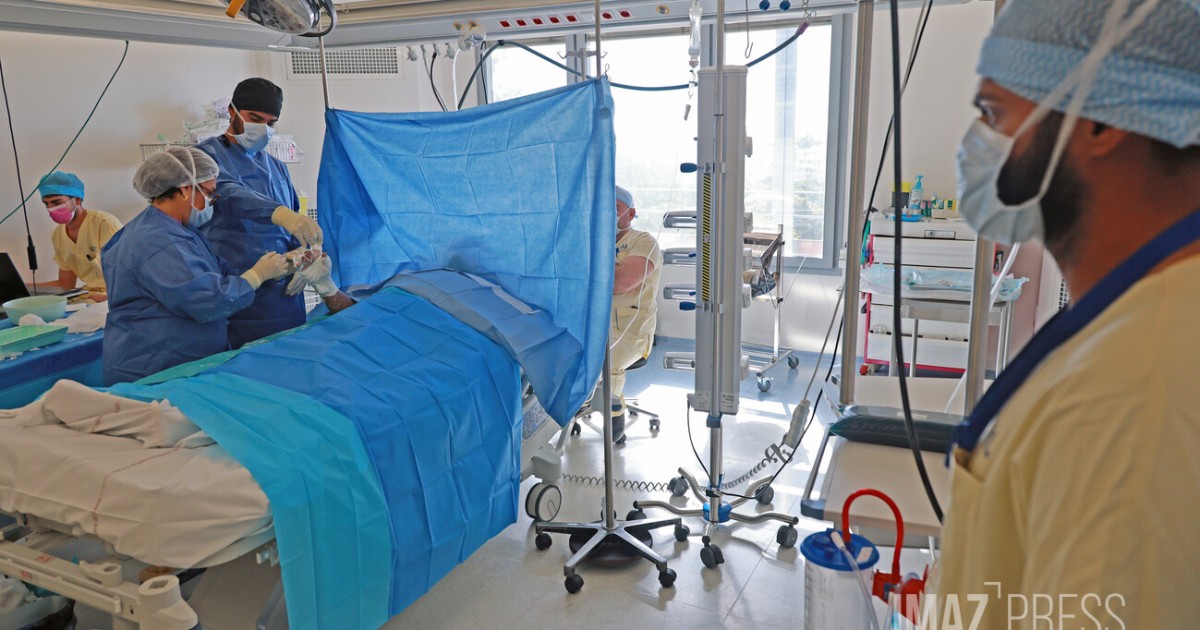
The burn center at the Centre Hospitalier Universitaire (CHU) de La Réunion treats approximately 500 patients annually, serving as the primary specialized facility for severe burn care across the Indian Ocean region. Located in Saint-Denis, the unit provides critical surgical and medical interventions for patients suffering from thermal, chemical, and electrical injuries.
As the only facility of its kind in the region, the center operates as a reference hub, receiving patients not only from the island of La Réunion but also from neighboring territories. The volume of 500 patients per year reflects a high concentration of specialized care, requiring a multidisciplinary team of surgeons, nurses, and rehabilitation specialists to manage complex wound care and systemic complications associated with severe burns.
The unit focuses on the acute phase of burn treatment, which includes fluid resuscitation, infection control, and early surgical excision of dead tissue. According to data from the CHU de La Réunion, the facility integrates advanced wound management and skin grafting to minimize scarring and restore functionality to affected limbs and organs.
How does the CHU de La Réunion burn center operate?
The burn unit operates as a high-dependency environment where patient care is tailored to the percentage of total body surface area (TBSA) affected. Patients with extensive burns require intensive monitoring to prevent sepsis and organ failure, which are the primary risks in the first few days following a major burn injury.
Medical staff employ a staged treatment approach. The initial phase focuses on stabilizing the patient’s hemodynamic status. Once stable, the team performs surgical debridement—the removal of damaged tissue—to prepare the wound bed for grafting. This process is critical for preventing deep-tissue infections and accelerating the healing process.
The facility utilizes a multidisciplinary team. This includes plastic surgeons specializing in reconstructive work and specialized nurses trained in burn-specific dressings and hygiene protocols. Physiotherapists are integrated into the care plan from the earliest possible stage to prevent joint contractures, which occur when scarred skin tightens and restricts movement.
What is the regional role of the burn unit in the Indian Ocean?
The CHU de La Réunion burn center functions as a regional medical anchor. Because severe burn care requires highly specialized equipment and expertise not available in smaller hospitals or neighboring islands, the center often manages complex transfers via medical evacuation.

This regional responsibility increases the complexity of the caseload. Patients arriving from other territories often present with more advanced wound complications or delayed treatment, requiring more aggressive surgical intervention than those admitted locally. The center’s role extends beyond treatment to include the training of medical staff from across the region in burn management protocols.
The ARS Réunion (Regional Health Agency) oversees the coordination of these health services, ensuring that the infrastructure at CHU de La Réunion meets the demands of both the local population and the broader regional catchment area.
What treatments are available for severe burn patients?
Treatment at the center is divided into acute stabilization, surgical reconstruction, and long-term rehabilitation. For patients with deep partial-thickness or full-thickness burns, the primary goal is the closure of the wound to prevent fluid loss and infection.
Autografts, where healthy skin is taken from another part of the patient’s body, are the gold standard for permanent closure. In cases where the patient does not have enough healthy skin for a full graft, the team may use temporary biological dressings or synthetic skin substitutes to protect the wound until a permanent solution is possible.
Psychological support is also a core component of the treatment. Severe burns often result in significant trauma and permanent disfigurement. The center provides access to mental health professionals to help patients manage the psychological impact of their injuries and the long process of physical recovery.
What are the long-term recovery challenges for burn victims?
Recovery for the 500 annual patients often extends far beyond the initial hospital stay. Scar management is a primary concern, as hypertrophic scars can restrict movement and cause chronic pain. The center employs pressure garment therapy and laser treatments to soften scar tissue and improve the aesthetic and functional outcomes for patients.

Rehabilitation is a continuous process. Patients often return to the center for follow-up surgeries to release tight scars (contractures) that may have developed during the healing process. This long-term care is essential for patients to return to their professional lives and daily activities.
The integration of physiotherapy and occupational therapy ensures that patients regain the use of their hands and joints. This phase of treatment is often the longest, sometimes spanning several years depending on the severity of the initial injury.
Further updates on the center’s capacity and regional health initiatives are typically released through the official bulletins of the CHU de La Réunion and the ARS Réunion.
Do you have experience with regional healthcare systems or specialized medical centers? Share your thoughts in the comments below.