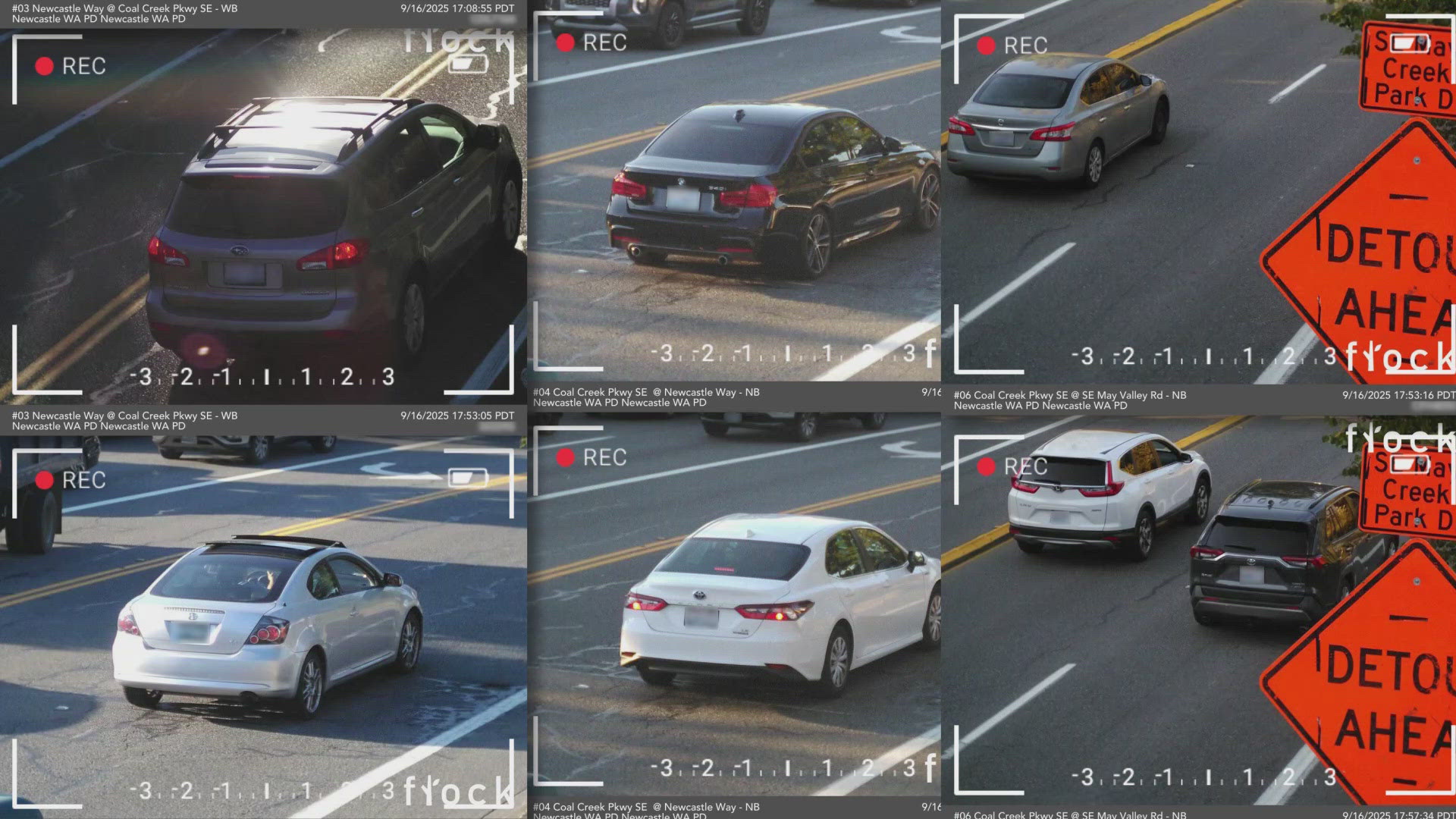
Flock Safety camera systems are now capable of tracking vehicles by identifying unique physical characteristics rather than relying solely on traditional license plate recognition. According to company materials, the technology—marketed as a “Vehicle Fingerprint”—allows law enforcement agencies to identify cars through details such as decals, bumper stickers, back and top racks, and temporary and unique state tags, even when you don’t have full plate information.
This capability highlights the expanding reach of automated surveillance tools used by police departments. While license plate readers have been a standard tool in law enforcement, the integration of image-based pattern matching shifts the focus toward comprehensive vehicle identification. This evolution in surveillance technology raises persistent questions regarding privacy and the scope of data collection in public spaces.
How the Vehicle Fingerprint System Functions
The system operates by capturing images of vehicles. Rather than just scanning for alphanumeric characters on a plate, the software analyzes the vehicle profile. According to company presentations, this data allows officers to perform searches to “build stronger cases with less information upfront.”
This approach is designed to assist officers in building cases with limited initial information. For instance, if a witness reports a distinguishing feature, law enforcement can filter recorded data to isolate potential matches. The technology also supports what the company describes as a “multi geo search,” which enables agencies to locate multiple vehicles law enforcement officials believe are moving together.
The use of pattern matching and associated metadata is not an entirely new concept. Security experts have noted that tracking objects or individuals based on habitual movement patterns or physical identifiers is a recurring theme in digital monitoring. For example, in his 2014 book Beyond Fear, the author discussed the implications of tracking entities through metadata and physical markers, noting that Edward Snowden revealed that the NSA was using cell phone location data to track phones that were habitually near each other.
The Broader Context of Digital Surveillance
The ability to track vehicles through physical descriptors exists alongside other forms of digital surveillance, such as cell phone location data. Disclosures by Edward Snowden regarding National Security Agency (NSA) activities established that location data could be used to track devices that were consistently near one another. This form of analysis functions similarly to the vehicle tracking now being deployed by municipal law enforcement.

Privacy advocates have frequently cautioned that the aggregation of these data points—whether from cameras or mobile devices—creates a comprehensive profile of an individual’s movements. This lack of transparency often complicates efforts by civil liberties groups to challenge how long this data is stored and who exactly has access to it.
What Happens Next for Law Enforcement Surveillance
As cities continue to integrate these systems into their public safety infrastructure, the primary point of contention remains the balance between investigative utility and individual privacy. Local law enforcement agencies typically manage their own policies regarding data retention and the circumstances under which “Vehicle Fingerprint” data can be accessed. Residents interested in how these tools are being used in their jurisdictions can often find information through local government meeting minutes or public records requests directed at their municipal police departments.


The debate over the use of such tools is expected to continue. There is no singular federal mandate currently governing the use of non-plate vehicle identification by local police, meaning regulations remain a patchwork of state and local laws. Future discussions will likely focus on whether legislative bodies will impose stricter limits on how “fingerprint” data is stored, shared between agencies, and purged from government databases.
Readers who have questions about the specific surveillance policies in their areas are encouraged to review the public disclosure documents provided by their local police departments. As this technology becomes more common, the transparency of these agencies regarding their data-sharing practices remains a critical area of public interest.