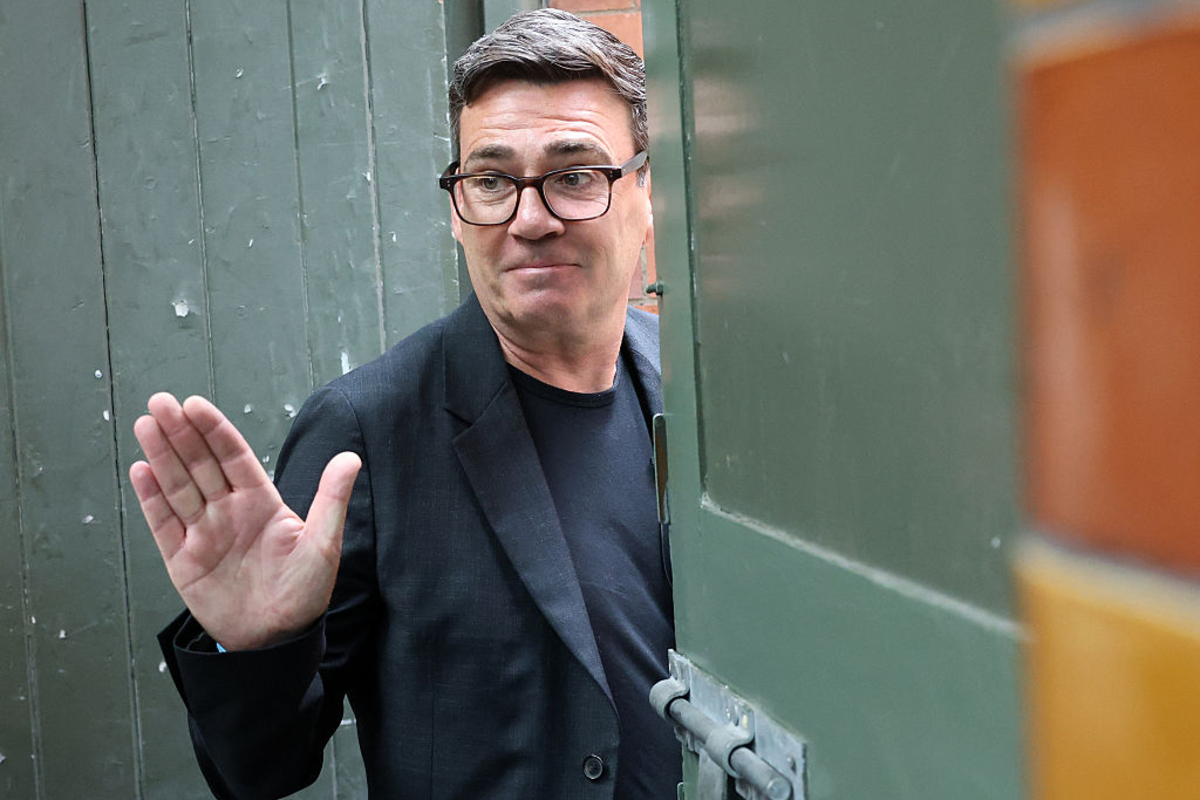
Andy Burnham, the Labour Party’s potential successor to Keir Starmer, has outlined a plan to place essential services under “stronger public control,” signaling a significant shift in the party’s approach to public ownership and service delivery. The announcement, made during an “ask me anything” session on Reddit on Friday, marks a pivotal moment in the ongoing debate over the role of privatization in the UK’s infrastructure and utility sectors.
Burnham, the MP for Makerfield and a prominent figure within Labour, emphasized the need to “make them more affordable to people and lower the cost of living” by re-examining the management of critical services. His comments come amid growing public scrutiny of private sector performance in areas such as water, energy, and transportation, with critics arguing that privatization has led to higher costs and underinvestment in infrastructure.
Burnham’s Vision for Public Control
During the Reddit session, Burnham detailed his intention to apply the model of public ownership used in Greater Manchester’s bus system to other sectors. “This is what we have done with buses in Greater Manchester and we want to apply the learning from that process to water, energy, housing and transport in the rest of the country,” he stated. He clarified that public control could involve a range of measures, including “strong regulation to public ownership.”

The proposal has sparked discussions about the potential nationalization of key utilities, particularly in the water sector. Burnham has previously expressed support for greater public oversight of water companies, citing the need for “necessary investment” in infrastructure. This aligns with broader Labour policy goals of addressing the challenges posed by privatization, which critics argue has left many utilities underfunded and unable to meet modern demands.
Water Nationalization and Infrastructure Challenges
The debate over water services has taken center stage, with Burnham’s comments on Thames Water drawing particular attention. Earlier this month, he suggested that the water industry “had not received the necessary investment” under the privatised model. This follows a controversial proposal by Thames Water’s creditors to write off £9.4bn of the utility’s £20bn debt in exchange for a £3.3bn investment and a £6.5bn debt facility, alongside the government waiving £900m in pollution fines over four years. The government rejected the plan, a decision that Burnham has criticized as short-sighted.

The National Audit Office (NAO) has estimated that water companies will need to invest at least £290bn in infrastructure by 2050 to maintain networks and meet population needs. However, some industry figures have raised concerns about the financial feasibility of such a large-scale investment, arguing that the public purse may struggle to bear the burden. Burnham’s advocacy for public control reflects a broader push to address these challenges through increased government intervention.
The Triple Lock Pension Scheme and Political Reassurances
While Burnham has signaled a willingness to restructure essential services, he has also reaffirmed his commitment to the triple lock pension scheme. The mechanism, which ensures that state pensions rise annually by the highest of inflation, average earnings, or 2.5%, has been a contentious issue within Labour and the broader political landscape. Burnham emphasized that the commitment in the party’s manifesto “stands,” despite ongoing debates about its financial sustainability.
The triple lock has faced criticism from working-age taxpayers, who argue that it places an increasing burden on public finances. Burnham acknowledged the “lot of debate” surrounding the policy but maintained that retaining it is crucial for protecting pensioners. His stance aligns with Labour’s broader strategy of balancing fiscal responsibility with social protections, a challenge that has tested the party’s leadership in recent months.
Criticism and Political Context
Burnham’s Reddit session drew sharp criticism from Conservative leader Kemi Badenoch, who accused him of evading “hard questions” by refusing to take inquiries from journalists after a recent speech. Badenoch’s comments highlighted the polarized political climate, with both parties vying for public support on issues of economic management and public service delivery.

The exchange underscores the heightened scrutiny facing Labour figures as the party prepares for potential leadership contests and upcoming elections. Burnham’s position as a frontrunner for Starmer’s successor has placed him at the center of these debates, with his policies and statements closely watched by both supporters and critics.
Implications for the UK’s Future
Burnham’s proposals reflect a broader ideological shift within Labour, moving toward a more interventionist approach to public services. This aligns with the party’s historical emphasis on social welfare and public ownership, though it also raises questions about the practicality of large-scale nationalization in a post-privatization era. The success of such policies will depend on factors including government funding, regulatory frameworks, and public acceptance.
For the UK as a whole, the debate over public control of essential services touches on fundamental questions about the role of the state in the economy. As Burnham’s ideas gain traction, they will likely shape the political discourse in the coming years, influencing not only Labour’s agenda but also the broader policy landscape.
As the conversation unfolds, stakeholders across the political spectrum will be watching closely to see how these proposals translate into action. The next steps, including potential policy announcements and legislative changes, will be critical in determining the future of public service provision in the UK.
For readers seeking further information, official updates from the Labour Party, government reports on infrastructure investment, and analyses from independent research institutions will provide additional context. Engaging with these resources can