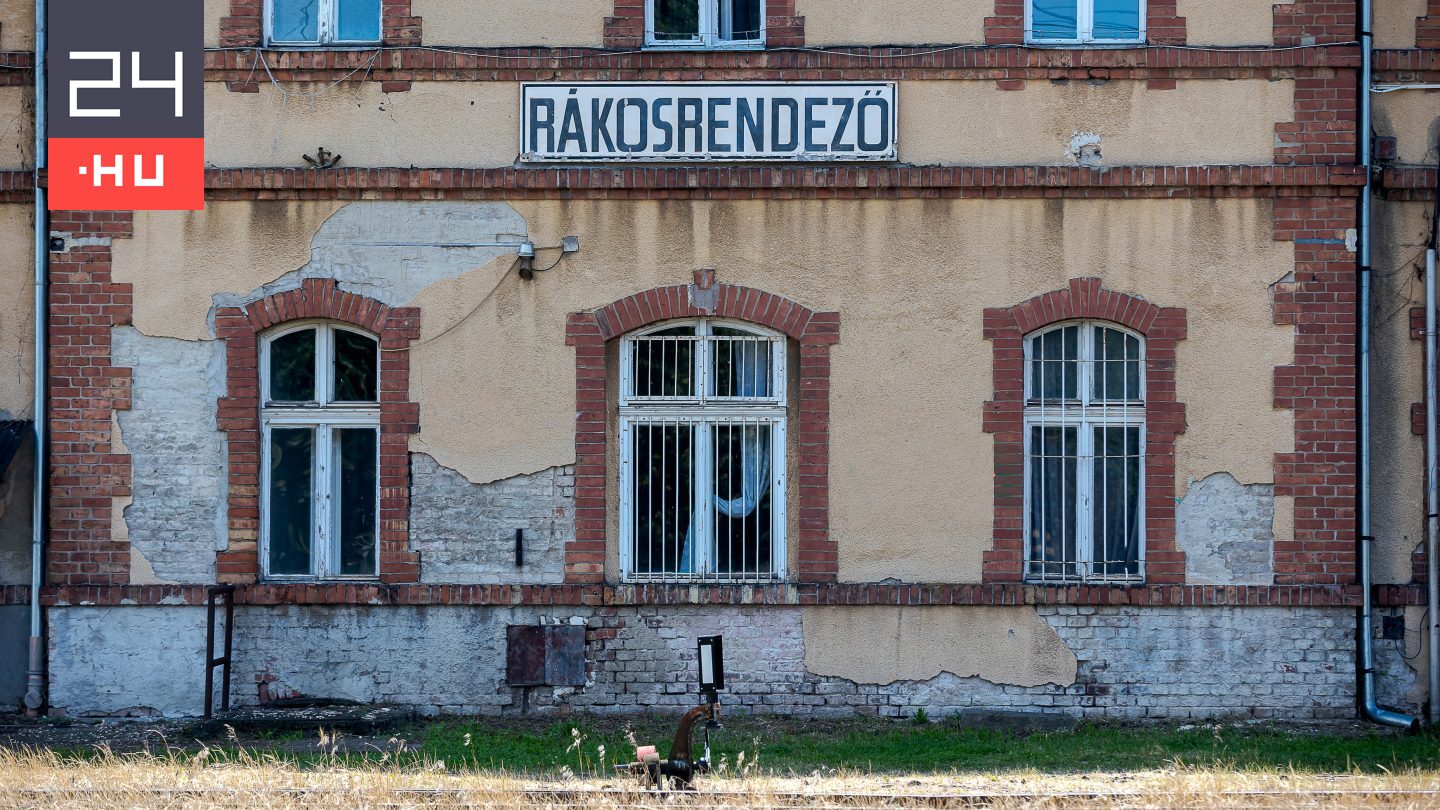
Residents near the Rákosrendező railway hub in Budapest report increasing anxiety over the illegal occupation of vacant MÁV (Hungarian State Railways) housing. According to reports from 24.hu, neighbors claim that squatters are moving into abandoned railway apartments, leading to security concerns and a perceived decline in local safety.
The situation centers on a cluster of state-owned residential buildings managed by MÁV, where several units have remained empty. Local residents allege that these vacancies have attracted unauthorized occupants, creating a volatile environment in the neighborhood. The tension reflects a broader struggle between state asset management and the immediate security needs of urban communities.
MÁV, the national railway operator, holds a significant portfolio of real estate across Hungary, including housing for employees and retirees. In areas like Rákosrendező, the transition of these properties—whether through sale, renovation, or abandonment—often leaves gaps in oversight that can be exploited by those seeking shelter outside the legal system.
Why are MÁV apartments in Rákosrendező being occupied?
The primary driver for the illegal occupation of these flats is the presence of vacant, poorly monitored state assets. According to local testimonies cited by 24.hu, the lack of consistent security or rapid turnover of these properties makes them targets for squatters. When a state-owned apartment remains empty for an extended period without being secured or sold, it becomes susceptible to break-ins and long-term unauthorized residence.
This issue is compounded by the specific geography of Rákosrendező, a critical railway junction. The area’s industrial nature and the density of railway-affiliated housing create pockets of residential zones that are closely tied to the operational status of the railway. As MÁV modifies its staffing needs or retires older housing stock, the lag between a property becoming “vacant” and it being “secured” creates a window for illegal entry.
Residents report that the presence of squatters often brings secondary issues, such as the accumulation of waste in common areas and a general sense of lawlessness. The fear among neighbors is not merely the presence of the occupants, but the lack of a swift legal or administrative mechanism to remove them once they have established a foothold in a building.
How is the local community reacting to the squatting?
The reaction from the Rákosrendező community is characterized by a mixture of fear and frustration toward the state’s perceived negligence. Residents have expressed concerns that the illegal occupation of MÁV flats lowers property values and increases the risk of crime in the immediate vicinity. According to the reports, neighbors feel that the state, as the owner, has failed in its duty to protect the neighborhood by leaving these “black holes” of uninhabited space.
Community members have pointed to the contrast between the high value of the real estate and the derelict state of the managed units. There are claims that the lack of one-time security measures—such as reinforced locks or surveillance—has invited the current crisis. The frustration is directed both at the squatters and at MÁV’s administration for not maintaining a tighter grip on its housing inventory.
For many, the issue is a matter of public safety. The unpredictability of who is entering these buildings, combined with the potential for these sites to become hubs for illegal activity, has led to calls for increased police patrols and more aggressive eviction procedures. The community views the illegal occupation as a symptom of a larger failure in state asset management.
What is the legal status of state-owned housing in Hungary?
The legal battle over squatting in Hungary is complex, as it involves the intersection of property rights and the slow pace of eviction proceedings. Under Hungarian law, the unauthorized occupation of a property does not grant the occupant any legal right to the residence, but the process of “possession-free” litigation can be time-consuming. For state entities like MÁV, the bureaucracy involved in initiating an eviction can sometimes take months, during which time the squatters remain in place.
MÁV operates under specific mandates regarding the management of its real estate. The company must balance the social obligations of providing housing for its workers with the economic necessity of managing its assets efficiently. When properties are earmarked for sale or demolition, they may enter a “limbo” state where they are no longer actively managed but not yet transferred, leaving them vulnerable.
Legal experts in Hungary have noted that while the law protects the owner’s right to reclaim the property, the actual enforcement depends on the promptness of the owner’s report to the authorities and the speed of the court’s eviction order. In the case of the Rákosrendező flats, the delay in securing the premises is seen as the primary catalyst for the current unrest.
What happens next for the Rákosrendező neighborhood?
The immediate focus for the residents is the demand for MÁV to secure all remaining vacant units and for the police to conduct more frequent sweeps of the affected buildings. The community is seeking a clear timeline from the railway company regarding the future of these apartments—whether they will be renovated, sold to private owners, or demolished.

The long-term resolution depends on whether MÁV implements a more proactive asset-monitoring system. If the company continues to leave properties vacant without security, the pattern of illegal occupation is likely to persist or spread to other railway-adjacent neighborhoods. The situation serves as a case study in the dangers of “administrative vacancy,” where a property is legally empty but physically open.
Further updates will depend on official statements from MÁV regarding their security protocols and any subsequent police actions taken to clear the occupied units. The neighborhood remains on alert, awaiting a decisive response from the state to restore order to the residential blocks.
For those seeking official updates on MÁV’s real estate management or to report concerns regarding state properties, the MÁV Group official portal provides contact information and corporate governance details.
We invite readers to share their experiences with urban asset management or similar community issues in the comments below.