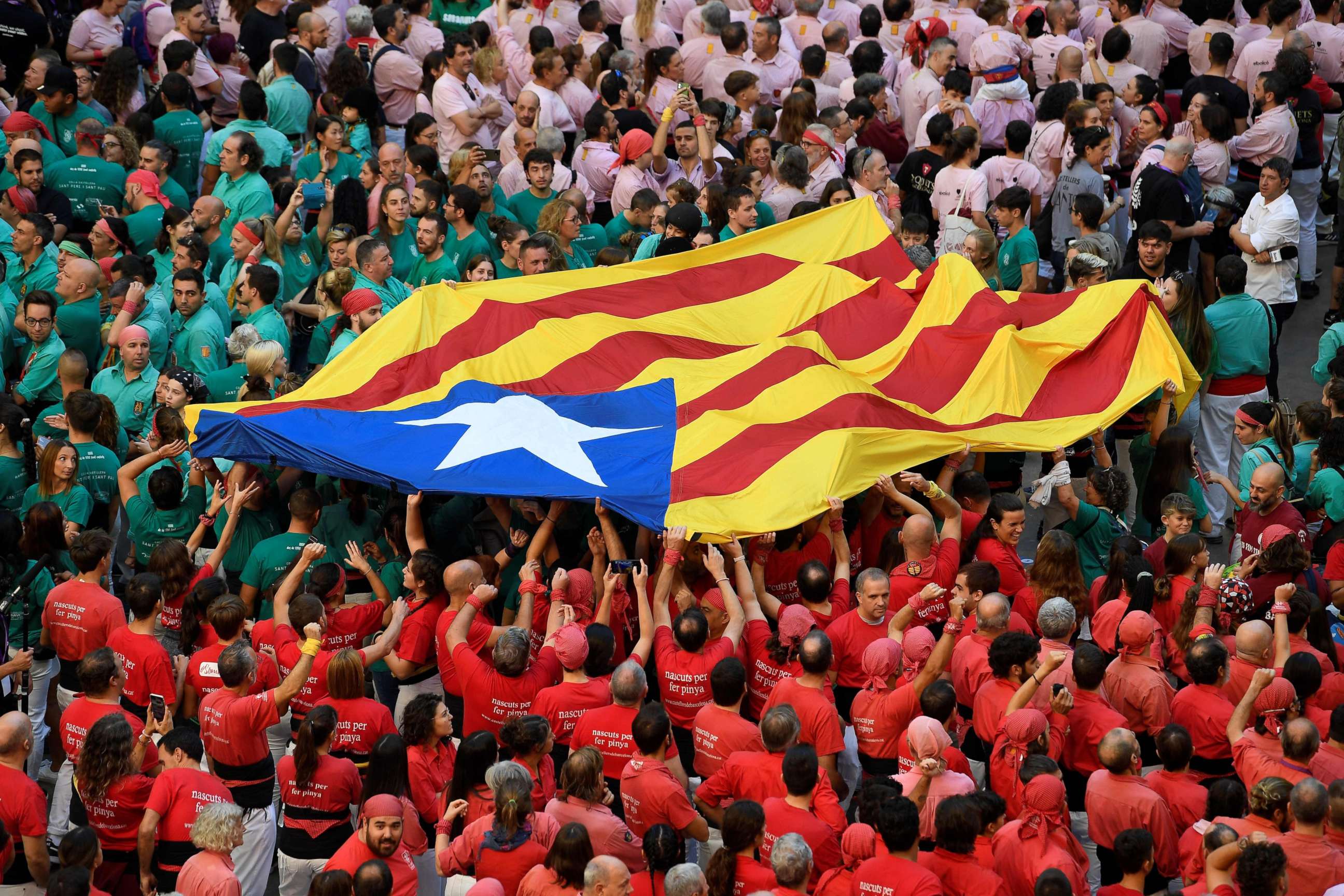
Political tensions in Catalonia continue to influence sporting sentiment, as a segment of Barcelona residents expresses a lack of support for the Spanish national football team during major international tournaments. This friction stems from the long-standing movement for Catalan independence and the perception of the national team as a symbol of the Spanish state.
The intersection of sports and nationalism in the region is most visible during the FIFA World Cup and UEFA European Championship. While many in Spain celebrate the national team’s success, pro-independence supporters in Barcelona often view the “La Roja” squad through a political lens, associating the team with the central government in Madrid.
This dynamic is not a new development but a recurring theme in the region’s sociopolitical climate. According to reports from regional news outlets and sociological observations in Catalonia, the desire for a separate Catalan national team remains a primary goal for those seeking sovereignty from Spain.
Why does the independence movement affect support for the Spanish team?
The conflict centers on national identity. For Catalan separatists, the Spanish flag and national anthem represent a state they wish to leave. Because the national football team is the most visible global representation of the Spanish state, it becomes a focal point for political protest.

This sentiment reached a peak during the 2019 turmoil following the 2017 independence referendum. The Catalan independence movement has historically used public gatherings, including sporting events, to signal their rejection of Spanish authority. In Barcelona, it is common to see “Estelada” flags (the blue-starred independence flag) flown in opposition to the red and yellow “Rojigualda” of Spain.
The tension is further complicated by the presence of Catalan players within the Spanish squad. While these athletes represent Spain on the pitch, they often face a divided reception at home. Some supporters view them as ambassadors, while others see their participation as an endorsement of the Spanish state.
The role of FC Barcelona in Catalan identity
FC Barcelona is often described by its own motto, “Més que un club” (More than a club), reflecting its role as a cultural and political symbol for Catalonia. The club has historically provided a safe space for the expression of Catalan identity, especially during the Francoist dictatorship when the use of the Catalan language was suppressed.

Because the club is so deeply intertwined with regional pride, the contrast between loyalty to FC Barcelona and loyalty to the Spanish national team is stark. Many fans identify primarily with the club and the region, viewing the national team as a separate, often opposing, entity.
This divide is not universal. Barcelona is a cosmopolitan city with a diverse population, and many residents maintain a dual identity, supporting both the regional interests of Catalonia and the international success of the Spanish national team.
How do these tensions manifest during World Cup cycles?
During the World Cup, the atmosphere in Barcelona often splits into two distinct camps. In certain neighborhoods and plazas, public viewing areas are filled with fans cheering for Spain. In others, there is a noticeable absence of national flags or a deliberate preference for supporting opposing teams.
This behavior is a form of “symbolic politics.” By withholding support for the national team, pro-independence citizens communicate their political stance to the world. The goal is often to highlight the existence of a distinct Catalan nation that they believe should have its own seat at the FIFA table.
The Spanish government and the Royal Spanish Football Federation (RFEF) generally maintain that sport should remain separate from politics, yet the very act of playing under a national flag is an inherently political statement in the eyes of the independence movement.
What happens if Catalonia gains a national team?
The prospect of a Catalan national team is a frequent topic of debate within FIFA and UEFA. Currently, FIFA regulations generally require a territory to be an independent state recognized by the international community to gain membership.

However, precedents exist. For example, the FIFA membership of regions like England, Scotland, and Wales demonstrates that a single sovereign state (the UK) can have multiple representatives. Catalan advocates argue that a similar arrangement should be possible for Catalonia.
If Catalonia were to achieve official recognition or a special sporting agreement, the impact would be significant. It would likely lead to a migration of talent, where players of Catalan descent would have to choose between representing Spain or a new Catalan side, potentially weakening the Spanish squad’s depth in specific positions.
For now, the “lack of desire” for a Spanish victory among some Barcelona residents remains a peaceful but potent expression of a political struggle that continues to shape the region’s social fabric.
The next major checkpoint for these tensions will be the upcoming international tournament cycles, where the visibility of Catalan symbols in the stands will once again serve as a barometer for the independence movement’s current strength.
We invite our readers to share their perspectives on the intersection of sports and politics in the comments section below.