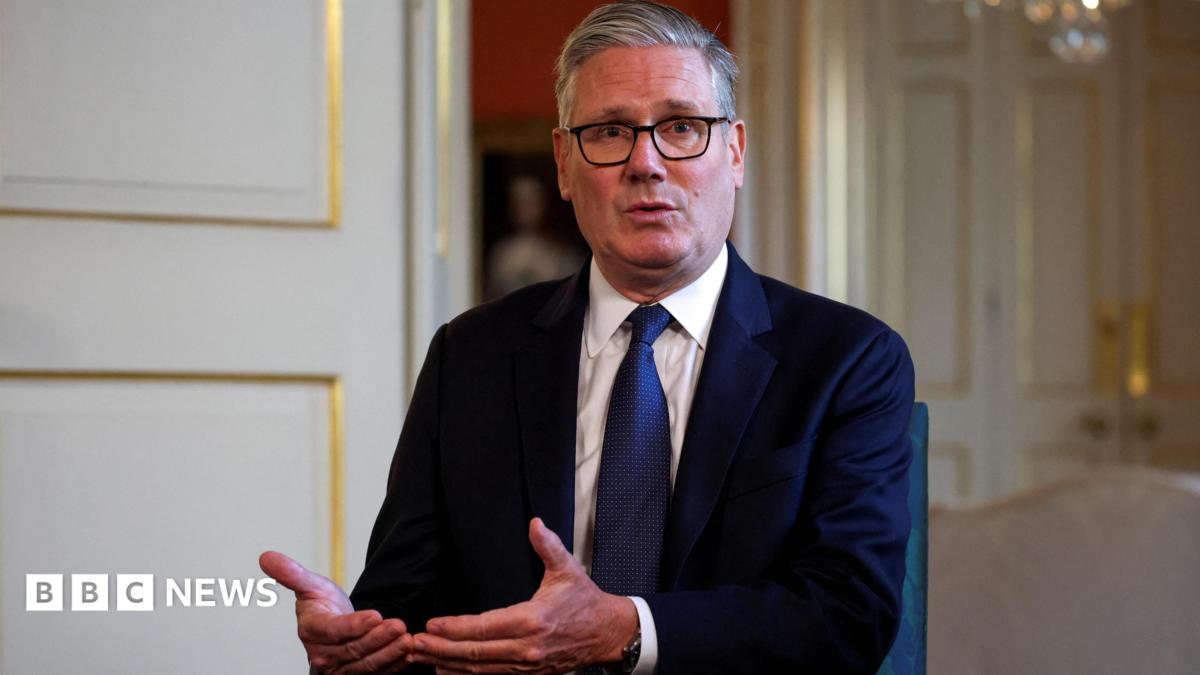
British Prime Minister Keir Starmer intervened in a dispute over the kick-off time for a match between England and Mexico, according to reports regarding FIFA’s scheduling adjustments. The intervention occurred after FIFA proposed moving the match forward by six hours due to forecasted thunderstorms, a shift that would have significantly impacted broadcast windows and fan attendance.
The scheduling conflict centered on the balance between athlete safety and the logistical requirements of a global sporting event. While FIFA cited weather concerns as the primary driver for the time change, the resulting early start time created friction with UK stakeholders and the Prime Minister’s office, leading to the direct government involvement to resolve the timing of the fixture.
Why did FIFA attempt to change the England-Mexico kick-off time?
FIFA officials sought to advance the match time by six hours to avoid a predicted window of severe thunderstorms. According to the organization, the move was a preemptive safety measure designed to protect players, officials, and spectators from lightning and extreme weather conditions that could have led to a match suspension or cancellation.
Under FIFA safety protocols, matches are typically suspended if lightning is detected within a specific radius of the stadium. By shifting the kick-off to an earlier slot, FIFA aimed to ensure the game concluded before the storm front arrived, thereby avoiding a scenario where thousands of fans would be stranded in a stadium during a weather emergency.
How did Keir Starmer intervene in the scheduling row?
Prime Minister Keir Starmer entered the discussions to advocate for a compromise that would maintain the match’s accessibility for the English public. Reports indicate that the proposed six-hour advance would have pushed the kick-off to a time that was impractical for the vast majority of fans in the United Kingdom, effectively limiting the domestic audience’s ability to watch the game live.
The Prime Minister’s intervention focused on the diplomatic and cultural importance of the fixture. By leveraging government channels, Starmer sought to ensure that while safety remained a priority, the schedule did not unfairly penalize the supporters or the broadcasting partners who had coordinated around the original time slot.
What are the implications for fan safety and broadcasting?
The tension between weather-related safety and commercial broadcasting is a recurring theme in international football. A six-hour shift in kick-off time alters the “prime time” window for television networks, which affects advertising revenue and viewership numbers. For fans traveling from the UK, such a drastic change can disrupt hotel bookings, transport arrangements, and local security coordination.
When FIFA moves a match for weather, they must coordinate with local municipal authorities and stadium security. If a match is moved too early, it may clash with other scheduled events or fail to provide adequate time for security sweeps and fan ingress. The intervention by the UK government highlighted the necessity of balancing these operational risks against the meteorological forecasts provided by FIFA’s technical teams.
Who is affected by these scheduling changes?
The primary stakeholders affected by the timing dispute include:
- The Players: Changes in kick-off times affect circadian rhythms and preparation routines, which can impact athletic performance.
- The Supporters: Fans who travel internationally rely on fixed schedules for logistics and safety.
- Broadcasters: Networks allocate specific time slots for high-profile international matches; sudden shifts can lead to programming conflicts.
- Local Authorities: City officials in the host venue must manage traffic and crowd control based on the specific hour of the event.
The resolution of this specific row ensures that the match can proceed under conditions that satisfy both the safety mandates of FIFA and the accessibility requirements of the English government and its citizens.
Official updates regarding the final confirmed kick-off time and venue safety protocols will be released via the official FIFA communications channel and the Football Association (FA) website. Readers are encouraged to share their thoughts on the balance between safety and scheduling in the comments below.