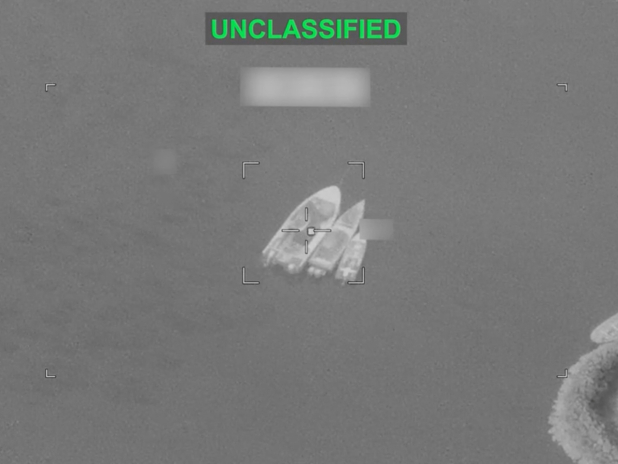
Tensions in the Middle East have escalated following a series of recent military exchanges between the United States and Iran, prompting significant market volatility and raising concerns over the security of critical maritime transit routes. While U.S. officials maintain that diplomatic channels remain open for potential negotiations, Iranian leadership has reiterated its refusal to yield, signaling a deepening impasse in bilateral relations.
The latest cycle of friction involves reported military activity, including Iranian military counterattacks against U.S. targets in Bahrain and Kuwait. The current climate of instability has led to immediate repercussions in global energy markets, as traders weigh the risks of sustained conflict against the potential for a prolonged diplomatic stalemate.
Maritime Security and the Hormuz Strait
The geopolitical uncertainty has cast a long shadow over the Strait of Hormuz, a vital artery for global energy supplies. Shipping data indicates that while oil tankers continue to transit the waterway, natural gas ships have stopped.

Diplomatic Deadlock and Official Positions
The diplomatic framework that once governed communication between Washington and Tehran has faced increasing scrutiny. Recent public statements from high-ranking officials in both capitals underscore the widening gap between their stated objectives. U.S. representatives have emphasized that the door for communication remains open, framing ongoing dialogue as a necessary mechanism to prevent further regional escalation. However, this commitment to diplomacy is being tested by the hardening rhetoric emerging from Tehran.
Trump has declared that the understanding memorandum between the U.S. and Iran has “ended,” stating that further talks would be a “waste of time” and describing the Iranians as “sick.” In response to international inquiries, Iranian officials have consistently maintained that their defense policy is non-negotiable.
Market Volatility and Economic Impact
Financial markets have reacted sharply to the news of the renewed clashes. Crude oil futures experienced significant fluctuations as investors adjusted their portfolios to account for the possibility of a supply disruption in the Gulf.
Looking Ahead: Monitoring the Situation
The situation remains fluid. Observers are also watching for any official statements from the U.S.
As the international community monitors these developments, the primary focus remains on the prevention of miscalculation in a crowded military theater. We will continue to track these developments as official reports become available. For further updates on regional security protocols, readers are encouraged to consult the official briefings provided by the U.S.
What are your thoughts on the shifting dynamics in the Persian Gulf? Share your perspective in the comments section below.