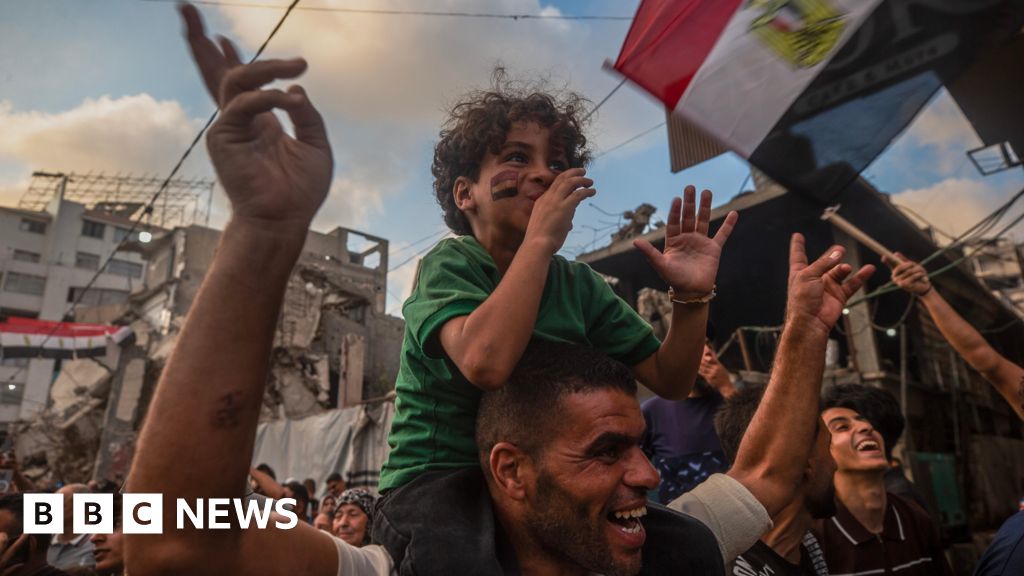
Hundreds of football fans in the Gaza Strip gathered amid ruins to watch a World Cup match between Egypt and Argentina, demonstrating a persistence of sporting culture despite widespread infrastructure collapse. The crowd cheered for Egypt, a nation that shares a land border with the Gaza Strip, as they viewed the game on improvised screens in areas heavily impacted by ongoing conflict.
The scene, captured in widely circulated footage, shows displaced residents and children congregating in a makeshift viewing area surrounded by pulverized concrete and twisted metal. According to reports from regional observers and social media documentation, these gatherings serve as rare moments of communal relief for a population facing acute humanitarian crises.
The choice of support for Egypt reflects the deep cultural and geographic ties between Gazans and their neighbors to the south. Egypt remains the primary transit point for humanitarian aid and the only exit via the Rafah border crossing, making the Egyptian national team a focal point of regional solidarity for those trapped within the enclave.
Sporting Rituals Amidst Urban Destruction
The gathering occurred in a landscape where traditional sporting venues have been largely rendered unusable. According to the United Nations Relief and Works Agency (UNRWA), the scale of destruction in Gaza has affected not only residential housing but also schools and community centers that previously hosted local football leagues and viewing parties.

Football is the most popular sport in the Gaza Strip, and the World Cup typically draws massive viewership across the territory. In previous tournaments, fans often set up large outdoor screens in public squares. The current shift to viewing matches from the rubble indicates a transition from organized public celebrations to fragmented, survival-based gatherings.
For the children seen in the footage, these matches provide a psychological reprieve. Human rights organizations have frequently cited the importance of “safe spaces” and play for children in conflict zones, though such spaces are virtually non-existent in Gaza’s current state of ruins.
The Geopolitical Context of the Egypt-Argentina Match
The match between Egypt and Argentina carries specific weight for Gazan viewers. Egypt’s role as a mediator in ceasefire negotiations and its management of the border make it a central figure in the daily survival of Gazans. Supporting the “Pharaohs” is often as much a political and social gesture as it is an athletic one.

Argentina, led by Lionel Messi, represents the global pinnacle of the sport, creating a contrast between the world’s most celebrated athletes and the extreme deprivation of the viewers. This juxtaposition—global sporting glory viewed from a wasteland—has become a recurring image in reports documenting the human cost of the war in Gaza.
Impact on Local Infrastructure and Community
The ability to watch the match at all depends on precarious access to electricity and internet. Most of the Gaza Strip has faced total blackouts, with residents relying on small solar panels or generators to power mobile phones and small televisions. According to data from the World Bank and UN agencies, the destruction of power grids has forced a reliance on decentralized, makeshift energy solutions.
The social fabric of Gaza, which traditionally revolved around cafes and clubs during major sporting events, has been replaced by these “rubble viewings.” This shift highlights the total erasure of the “third place”—the social surroundings separate from the home and the workplace (or in this case, the shelter)—that is essential for community mental health.

Observers note that the act of gathering in large numbers to cheer for a team is a form of resilience. By maintaining a connection to a global event like the World Cup, residents assert a connection to a world beyond the borders of the conflict zone.
The next critical checkpoint for the region remains the ongoing negotiations regarding a permanent ceasefire and the delivery of expanded humanitarian corridors. Updates on these diplomatic efforts are typically issued by the Egyptian Ministry of Foreign Affairs and the Qatari government.
Do you have a perspective on how sports impact resilience in conflict zones? Share your thoughts in the comments below.