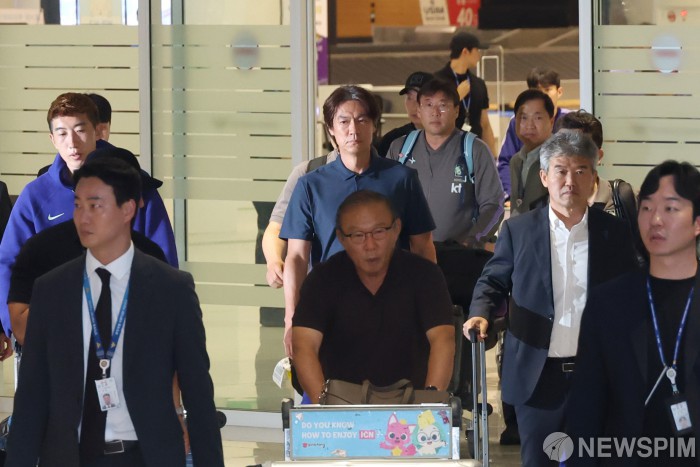
Hong Myung-bo, the head coach of the South Korea national football team, has expressed his willingness to attend a National Assembly hearing to address controversies surrounding his appointment by the Korea Football Association (KFA). Hong stated he would appear before lawmakers if called, as the South Korean government and legislative bodies scrutinize the transparency of the selection process for the 2026 World Cup cycle.
The controversy centers on allegations that the KFA bypassed standard recruitment procedures to appoint Hong, leading to accusations of “special treatment” and a lack of democratic oversight. The South Korean Ministry of Culture, Sports and Tourism has already launched an audit into the KFA’s administrative actions, focusing on whether the association violated its own regulations during the hiring process.
This development follows a period of intense public criticism from fans and former players who questioned the legitimacy of the appointment. Hong, a legendary figure in Korean football both as a player and coach, now faces the prospect of testifying under oath regarding the communications and agreements made between himself and KFA officials prior to his official naming as manager.
Hong Myung-bo’s Response to Legislative Summons
In recent statements to the press, Hong Myung-bo clarified that he does not intend to avoid accountability regarding the friction surrounding his return to the national team. According to reports from Korean news outlets including NewsPim, Hong indicated that he is prepared to provide testimony to the National Assembly to clear up misunderstandings about his appointment process.
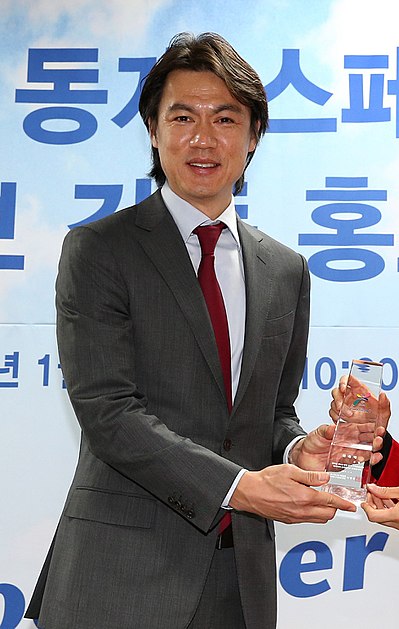
The willingness to appear before the legislature is a significant step, as sports appointments in South Korea rarely trigger formal parliamentary hearings unless there are suspicions of systemic corruption or gross negligence. By stating “I will go if called,” Hong is attempting to signal transparency at a time when his leadership is being challenged by a segment of the sporting public before he has even led the team through a full cycle of competitive fixtures.
Lawmakers have expressed particular interest in the timeline of negotiations. The core of the legislative inquiry focuses on whether the KFA’s technical committee was meaningfully involved in the decision or if the appointment was a predetermined outcome orchestrated by KFA leadership, which would contradict the association’s stated commitment to a fair and open search for a successor to the previous management.
The KFA Appointment Controversy and the Ministry Audit
The tension began when the Korea Football Association announced Hong’s appointment, which many critics claimed ignored the “open call” process promised to the public. The Ministry of Culture, Sports and Tourism has intervened, initiating a formal audit to determine if the KFA’s internal bylaws were ignored. This audit is designed to verify if the KFA followed the proper protocols for selecting a national team coach, which typically involves a rigorous vetting process by a dedicated committee.

Critics argue that the haste of the appointment and the perceived lack of candidates suggests a “closed-door” agreement. This has led to a decline in public trust, with some supporters calling for the KFA president to resign. The audit’s findings could potentially lead to disciplinary actions against KFA officials or a mandate to restructure how the association handles high-profile hires.
For Hong, the stakes extend beyond administrative errors. As the man tasked with leading South Korea to the 2026 FIFA World Cup, the cloud of a political investigation threatens to undermine his authority within the locker room and his relationship with the fanbase. The intersection of sports governance and legislative oversight in South Korea is increasingly common, but rarely does it target the head coach directly.
Impact on the 2026 World Cup Campaign
The timing of this political scrutiny is precarious. With the 2026 World Cup expanding to 48 teams and the qualifying rounds intensifying, the South Korean national team requires stability. The distraction of National Assembly hearings could disrupt the tactical preparation and psychological focus of the squad.

Analysis of the current situation suggests two primary risks:
- Loss of Momentum: The administrative turmoil may overshadow the team’s on-field performance, shifting the media narrative from match results to legal testimonies.
- Institutional Instability: If the audit reveals systemic failures within the KFA, the resulting leadership vacuum could affect everything from player call-ups to the scheduling of international friendlies.
Despite the noise, Hong has maintained that his primary focus remains the players and the pitch. However, the requirement to justify his employment to lawmakers introduces a layer of political pressure that differs significantly from the sporting pressure of World Cup qualification. The outcome of the hearing will likely determine whether Hong can move past the “appointment scandal” and establish a genuine mandate to lead.
Timeline of Events Leading to the Hearing
The progression from a coaching appointment to a potential government hearing has moved rapidly. The following timeline outlines the key milestones of the controversy:
| Event | Description | Status |
|---|---|---|
| KFA Appointment | Hong Myung-bo named head coach amid transparency concerns. | Completed |
| Public Backlash | Fans and stakeholders protest the “closed” selection process. | Ongoing |
| Ministry Audit | Ministry of Culture, Sports and Tourism begins probe into KFA. | Active |
| Legislative Interest | National Assembly members call for a formal hearing. | Proposed |
| Hong’s Consent | Hong Myung-bo agrees to attend if summoned by lawmakers. | Confirmed |
The next confirmed checkpoint in this saga is the conclusion of the Ministry of Culture, Sports and Tourism’s audit. The results of this investigation will likely serve as the evidentiary basis for any formal summons issued by the National Assembly. Should the audit find evidence of procedural violations, the hearing will move from a request for clarification to a formal inquiry into administrative misconduct.
Readers can follow official updates via the KFA’s press office or the Ministry of Culture, Sports and Tourism’s public announcements. We welcome your thoughts on whether legislative oversight helps or hinders sports governance in the comments below.