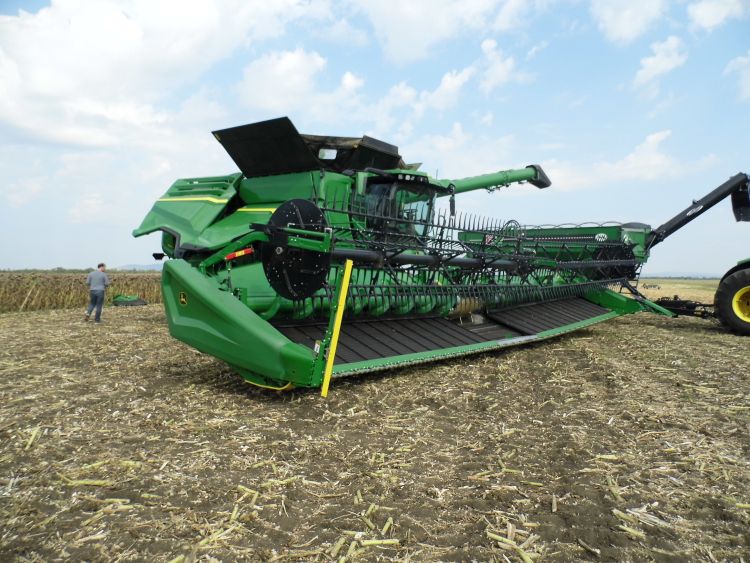
Modern harvest operations in European agriculture have shifted from simple mechanical labor to complex logistical networks where grain transport, storage capacity, and moisture management determine profitability. As combine harvesters increase in technical sophistication, the bottleneck in agricultural production has moved from the field to the supply chain, requiring farmers to synchronize machine throughput with transport speed and silo availability to minimize crop loss and overhead costs.
According to the European Commission’s agricultural statistics, the efficiency of harvest logistics remains a critical factor in maintaining the quality of cereal crops, particularly as climate volatility forces shorter, more intense harvest windows. For producers, the challenge lies in maintaining a continuous flow of grain from the harvester grain tank to the end-user or storage facility, a process that relies heavily on real-time data and fleet coordination.
Synchronizing Field Capacity with Transport Logistics
The primary challenge for agricultural enterprises during peak harvest is balancing the increased capacity of modern combine harvesters with the limitations of transport infrastructure. High-capacity machinery can process dozens of tons of grain per hour, but this speed is often negated if transport vehicles—grain carts and trucks—cannot keep pace or if on-farm storage facilities cannot accept the volume at the required rate.
Field-to-silo efficiency is typically measured by the reduction of “idle time” for the combine. Industry reports indicate that logistical delays—such as waiting for an empty truck or queuing at a grain elevator—can reduce total daily output by as much as 20% to 30% during peak operations. To mitigate this, many large-scale farming operations now employ digital fleet management tools, which track the location and status of grain carts in real-time, ensuring that transport assets are positioned before the combine tank reaches capacity.
The Role of Moisture Management and Storage
Logistics extend beyond mere transport; they include the critical management of grain moisture content. Harvesting at the optimal moisture level is essential for storage longevity, yet the logistics of drying and aeration often dictate the timing of the harvest itself. If grain is harvested at higher moisture levels to beat an approaching weather front, the logistical burden shifts to the drying facility.

The Food and Agriculture Organization (FAO) notes that improper storage and logistical delays in the post-harvest phase are leading causes of quality degradation and economic loss. Producers are increasingly investing in modular, automated storage systems that allow for better ventilation and monitoring, which in turn reduces the pressure on transport logistics by allowing grain to be “buffered” on-site before final transport to market.
Technological Integration in Harvest Planning
Precision agriculture has transformed the logistical planning process. Modern software allows farmers to map field access points, optimize route planning for heavy machinery, and predict the exact moment a truck should arrive at the field edge. This integration of telematics—the use of GPS and cellular technology to monitor farm equipment—has become a standard feature in high-efficiency operations.
By analyzing yield maps from previous years, farm managers can predict the volume of grain expected from specific field zones, allowing for a more accurate allocation of transport resources. This data-driven approach minimizes the fuel consumption of tractors and trucks by reducing unnecessary travel distances and wait times, directly impacting the bottom line of the agricultural enterprise.
Future Outlook for Harvest Efficiency
As the agricultural sector continues to face pressure from rising input costs and labor shortages, the emphasis on integrated logistics is expected to grow. Research from the OECD regarding agricultural policy suggests that the next phase of efficiency gains will likely come from autonomous transport vehicles that can operate in tandem with human-operated harvesters, further smoothing the flow of grain from field to storage.

For current producers, the focus remains on the “logistical handshake”—the precise moment of transfer between the harvester and the transport unit. Ensuring this process is seamless requires not only advanced machinery but also a shift in management philosophy, where the harvest is viewed as a unified logistical operation rather than a series of disconnected tasks.
The next major checkpoint for agricultural logistics will be the release of updated regional harvest yield projections and transport capacity reports, typically issued by national agricultural ministries ahead of the autumn harvest season. Producers are encouraged to monitor local extension service updates for specific guidance on regional storage availability and transport regulations.