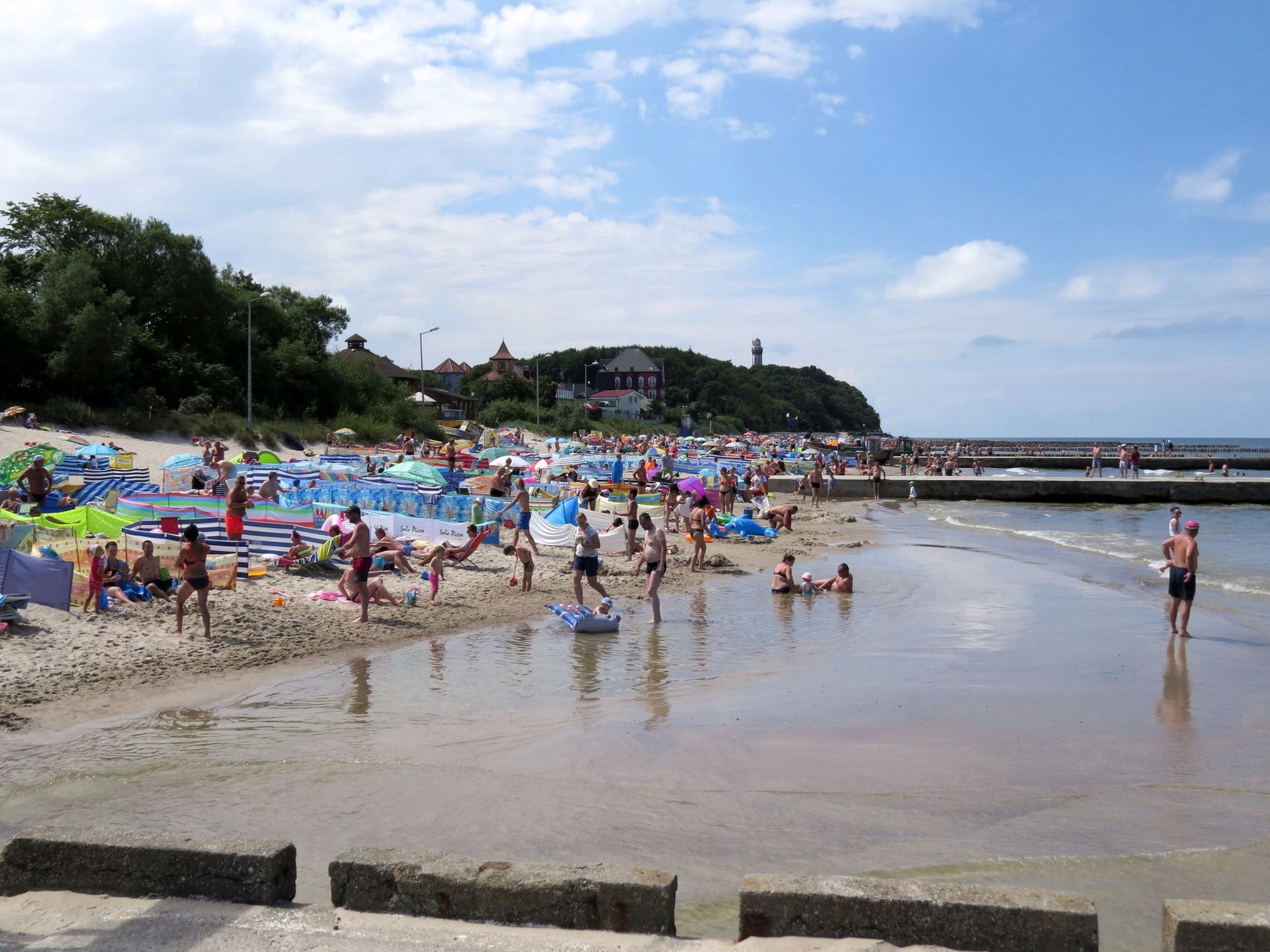
Health authorities and researchers have identified the presence of Vibrio cholerae, commonly known as the cholera comma bacillus, in the Baltic Sea. While the bacteria are present, health officials emphasize that the risk to the general public remains low, though individuals with open wounds or compromised immune systems face a higher risk of severe infection.
The detection of Vibrio cholerae in the Baltic Sea is not a new phenomenon, but rising sea temperatures have increased the prevalence of these bacteria. The primary risk involves non-cholera Vibrio infections, which can enter the body through skin abrasions or be ingested via contaminated seafood. In severe cases, these infections can progress rapidly, potentially leading to death within a few dozen hours if not treated aggressively.
This biological presence differs from a classic cholera epidemic. Most strains found in the Baltic are non-toxigenic, meaning they do not produce the toxin responsible for the severe diarrheal illness associated with epidemic cholera. Instead, they cause wound infections or gastroenteritis, which can become systemic and life-threatening for vulnerable populations.
How Vibrio Bacteria Enter the Body and Cause Infection
The bacteria typically enter the human body through two primary pathways: skin penetration and ingestion. Health agencies, including German regional health offices, warn that the bacteria can penetrate the skin through small cuts, scratches, or surgical wounds. Once inside the bloodstream, the bacteria can cause sepsis or necrotizing fasciitis, a severe infection that destroys skin and underlying tissue.

Ingestion is the second primary route, often occurring through the consumption of raw or undercooked shellfish. Because Vibrio species thrive in brackish water—a mix of salt and fresh water—they concentrate in the filter-feeding systems of mollusks. For healthy adults, this may result in mild stomach upset, but for those with liver disease or diabetes, it can lead to primary septicemia.
The progression of a Vibrio infection can be alarmingly fast. According to reports, the transition from a localized skin infection to systemic organ failure can occur within a very short window, sometimes leading to death in less than 24 hours if the bacteria reach the bloodstream and trigger septic shock.
Risk Factors and High-Risk Populations
Not every swimmer in the Baltic Sea is at equal risk. Health officials identify specific groups who must exercise extreme caution when entering the water:

- Individuals with open wounds: Anyone with cuts, scrapes, or recent surgical incisions should avoid bathing in warm brackish water.
- Immunocompromised patients: People undergoing chemotherapy or living with HIV/AIDS have a diminished capacity to fight off systemic infections.
- Chronic liver disease patients: Those with cirrhosis or other hepatic failures are significantly more susceptible to Vibrio vulnificus and related strains, which can cause rapid blood poisoning.
- Diabetics: High blood sugar levels can impair the immune response and increase the likelihood of severe skin infections.
For these groups, the recommendation is to avoid contact with the water entirely during periods of high sea-surface temperatures, as the bacteria multiply more rapidly in warmer environments.
The Role of Climate Change in Baltic Bacteria Growth
The increasing frequency of Vibrio detections is closely tied to the warming of the Baltic Sea. These bacteria are thermophilic, meaning they thrive in higher temperatures. As heatwaves become more frequent in Northern Europe, the “window” for bacterial blooms expands.
The Baltic Sea’s unique geography—low salinity and limited water exchange with the North Sea—makes it a natural incubator. According to environmental researchers, the combination of nutrient runoff (eutrophication) and rising temperatures creates an ideal environment for Vibrio cholerae and Vibrio vulnificus to persist and proliferate.
This shift is not limited to the Baltic.
Preventative Measures and Emergency Response
Medical professionals advise that early detection is the only way to prevent the fatal outcomes associated with systemic Vibrio infections. If a wound becomes red, swollen, or develops blisters after swimming in the Baltic, immediate medical attention is required.

To minimize risk, the following precautions are recommended by health authorities:
- Wound Care: Thoroughly wash any cuts or scratches with soap and clean, fresh water immediately after leaving the sea.
- Dietary Caution: Avoid eating raw shellfish, particularly during the summer months when water temperatures are highest.
- Monitoring: Pay attention to official beach warnings issued by local sanitary inspectorates regarding water quality and bacterial levels.
Treatment typically involves the administration of specific antibiotics, such as tetracyclines or fluoroquinolones, and in severe cases of necrotizing fasciitis, surgical debridement to remove infected tissue.
For the most current safety advisories, travelers are encouraged to check local government health portals.
Do you have questions about Baltic water safety or recent travel experiences? Share your thoughts and comments below.