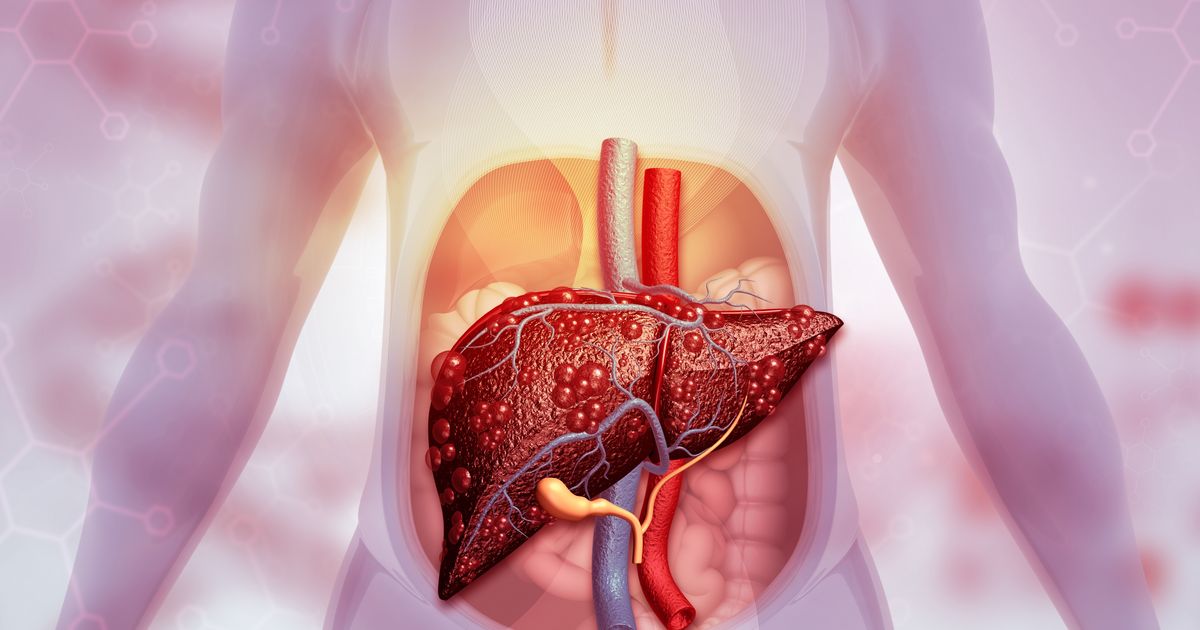
Researchers have identified the Von Willebrand Factor (VWF) as a significant biomarker for predicting patient outcomes following Transjugular Intrahepatic Portosystemic Shunt (TIPS) procedures in patients with liver cirrhosis. This protein, which plays a central role in blood coagulation, serves as a measurable indicator of endothelial dysfunction and systemic inflammation, providing clinicians with earlier insights into how a patient may recover or potentially face complications after the intervention.
TIPS is a specialized procedure used to reduce portal hypertension in patients with advanced liver cirrhosis. By creating an artificial pathway between the portal vein and the hepatic vein, the procedure relieves pressure that can cause life-threatening complications such as esophageal variceal bleeding or refractory ascites. Despite its efficacy, predicting which patients will experience long-term stability versus those who will face further clinical deterioration remains a complex challenge in hepatology, as noted by the American Association for the Study of Liver Diseases (AASLD).
The Role of Von Willebrand Factor in Cirrhotic Patients
The Von Willebrand Factor is a large multimeric glycoprotein that functions as a mediator of platelet adhesion and aggregation. In the context of chronic liver disease, levels of VWF are often significantly elevated. This increase is typically attributed to widespread endothelial activation and damage resulting from the systemic inflammatory state associated with cirrhosis, according to research published in the Journal of Hepatology.

When clinicians measure VWF levels shortly after a TIPS procedure, they are essentially looking for a “snapshot” of the patient’s vascular health. High levels of the protein suggest that the endothelial system remains under significant stress, which may correlate with a higher risk of post-procedural complications, including hepatic encephalopathy or liver failure. Conversely, a reduction or stabilization of these markers may indicate that the shunt is successfully alleviating systemic hemodynamic stress.
Clinical Implications for Post-TIPS Prognosis
The integration of VWF into clinical assessment protocols could allow for more personalized management strategies. Currently, post-TIPS monitoring relies heavily on imaging, such as Doppler ultrasound, to check for shunt patency. While imaging is essential for detecting mechanical issues like stenosis or thrombosis, it does not always capture the underlying systemic physiological changes occurring within the patient’s circulatory system.
By monitoring VWF alongside traditional markers, medical teams can potentially identify patients who require more intensive follow-up or early pharmacological intervention. This approach aligns with the growing trend toward precision medicine, where biological markers are used to tailor care plans for individuals with complex, multi-system diseases. The European Association for the Study of the Liver (EASL) emphasizes that managing cirrhosis requires a comprehensive view of both liver function and systemic complications, making the inclusion of blood-based biomarkers a logical step forward in diagnostic practice.
Advancing Liver Disease Diagnostics
While the study of VWF is promising, it is part of a broader effort to better understand the systemic nature of portal hypertension. Other markers, such as the MELD (Model for End-Stage Liver Disease) score, remain the gold standard for assessing survival probability in cirrhosis, but these scores are primarily focused on liver function rather than vascular health. Combining traditional clinical scores with dynamic biomarkers like VWF could provide a more robust prognostic tool.
Ongoing research is essential to standardize the measurement of VWF and determine the specific threshold levels that should trigger a change in clinical management. As medical centers continue to refine their approach to TIPS, the ability to predict outcomes based on rapid blood tests could significantly reduce the burden of post-surgical complications. For patients, this means a higher likelihood of timely adjustments to their treatment, potentially improving quality of life and long-term survival rates.

Patients interested in the latest clinical updates regarding liver health and surgical outcomes are encouraged to consult with their hepatologist or refer to clinical trial databases, such as those maintained by the U.S. National Library of Medicine, for information on upcoming studies. As data from current cohorts continues to be analyzed, further updates on the utility of VWF will likely be published in peer-reviewed journals, helping to standardize these findings into routine clinical practice.
We invite our readers to share their thoughts or experiences with advancements in liver disease management in the comments section below. Your engagement helps foster a better understanding of how these medical innovations impact the broader patient community.