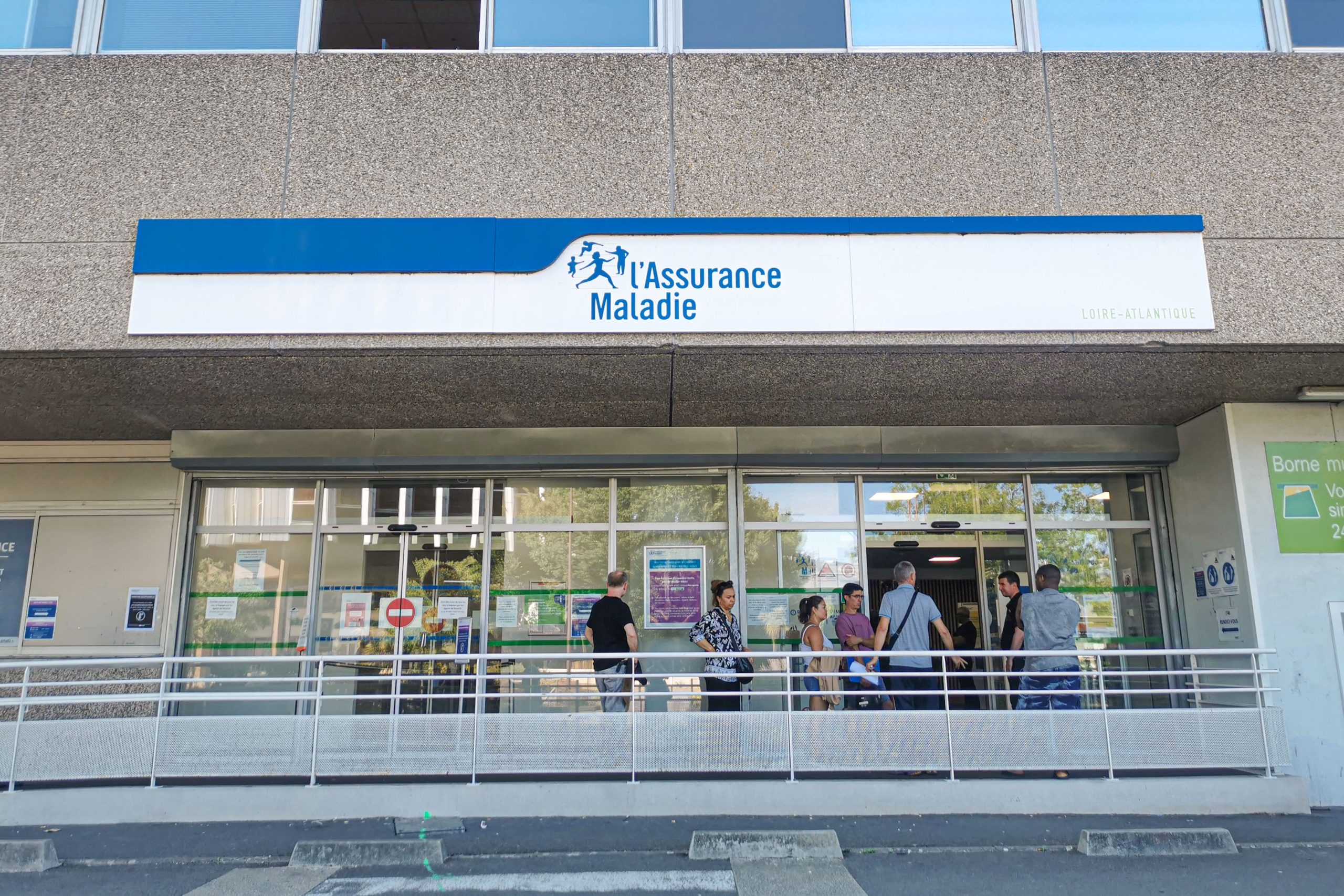
Thousands of residents in the Loire-Atlantique and Vendée departments have faced significant administrative disruptions following the implementation of the Arpège software within local branches of the Caisse Primaire d’Assurance Maladie (CPAM). The rollout of this new information system, intended to modernize the processing of health insurance files, has resulted in widespread delays, leaving many policyholders unable to access timely reimbursements or updates to their social security records.
The Arpège Rollout and Operational Failures
The Arpège project was designed as a national modernization effort for the French health insurance system, aimed at consolidating data management across various regional offices. According to reports from the Caisse Nationale de l’Assurance Maladie (CNAM), the transition to new digital infrastructure is part of a broader strategy to simplify administrative procedures for citizens. However, in the Loire-Atlantique and Vendée pilot sites, the integration of the software led to a backlog of thousands of pending files.

Staff members and labor unions have characterized the deployment as a failure in technical preparation. The Confédération Générale du Travail (CGT), which represents many social security employees, has repeatedly raised concerns regarding the software’s interface and the lack of adequate training provided to the agents tasked with using it. These operational bottlenecks have translated into extended wait times for claimants, with some individuals reporting delays of several months for the processing of standard medical expense sheets and long-term illness declarations.
Impact on Policyholders and Service Accessibility
For the average user, the consequences of the Arpège software issues are primarily financial. When a file becomes “stuck” in the system, the corresponding health insurance reimbursements are suspended. This situation is particularly critical for households relying on the rapid processing of claims to cover out-of-pocket medical costs. The Défenseur des Droits, an independent administrative authority, has previously noted that administrative failures in public services disproportionately affect the most vulnerable populations who lack the means to bridge the gap during periods of non-payment.
Local CPAM offices have attempted to mitigate the crisis by prioritizing urgent files and increasing communication with affected policyholders. However, the sheer volume of blocked dossiers has overwhelmed existing support channels. Many residents have reported difficulty reaching representatives by phone or through the Ameli online portal, leading to frustration and a lack of transparency regarding when their specific claims will be resolved.
Institutional Response and Current Status
The management of the CPAM in Loire-Atlantique has acknowledged the technical difficulties associated with the transition. In official statements, local administration officials have indicated that measures are being taken to stabilize the system, including the deployment of additional IT support and the re-allocation of administrative personnel to clear the backlog. These efforts are part of a national directive to rectify the deficiencies identified during the experimental phase of the software launch.

As of late 2023 and continuing into 2024, the administration has focused on a “catch-up” plan to process the accumulated backlog. While progress is being reported by the regional health insurance authorities, the timeline for a complete restoration of normal service levels remains subject to ongoing technical monitoring. The Service-Public.fr portal continues to provide updates for users experiencing issues with their social security accounts, encouraging those with urgent financial needs to contact their local branch directly for specific case reviews.
Next Steps for Affected Residents
The next phase of the recovery involves a phased rollout of software patches and the implementation of more robust testing protocols for future system updates. For residents currently experiencing delays, the recommended course of action remains consistent: monitor the personal Ameli account for status changes, utilize the secure messaging system to request a status update on a specific file, and visit a local reception point if a claim has been pending beyond the standard processing timeframe.

Have you been affected by these administrative delays? Share your experience in the comments section below or visit the official Ameli website for the latest updates on regional processing times.