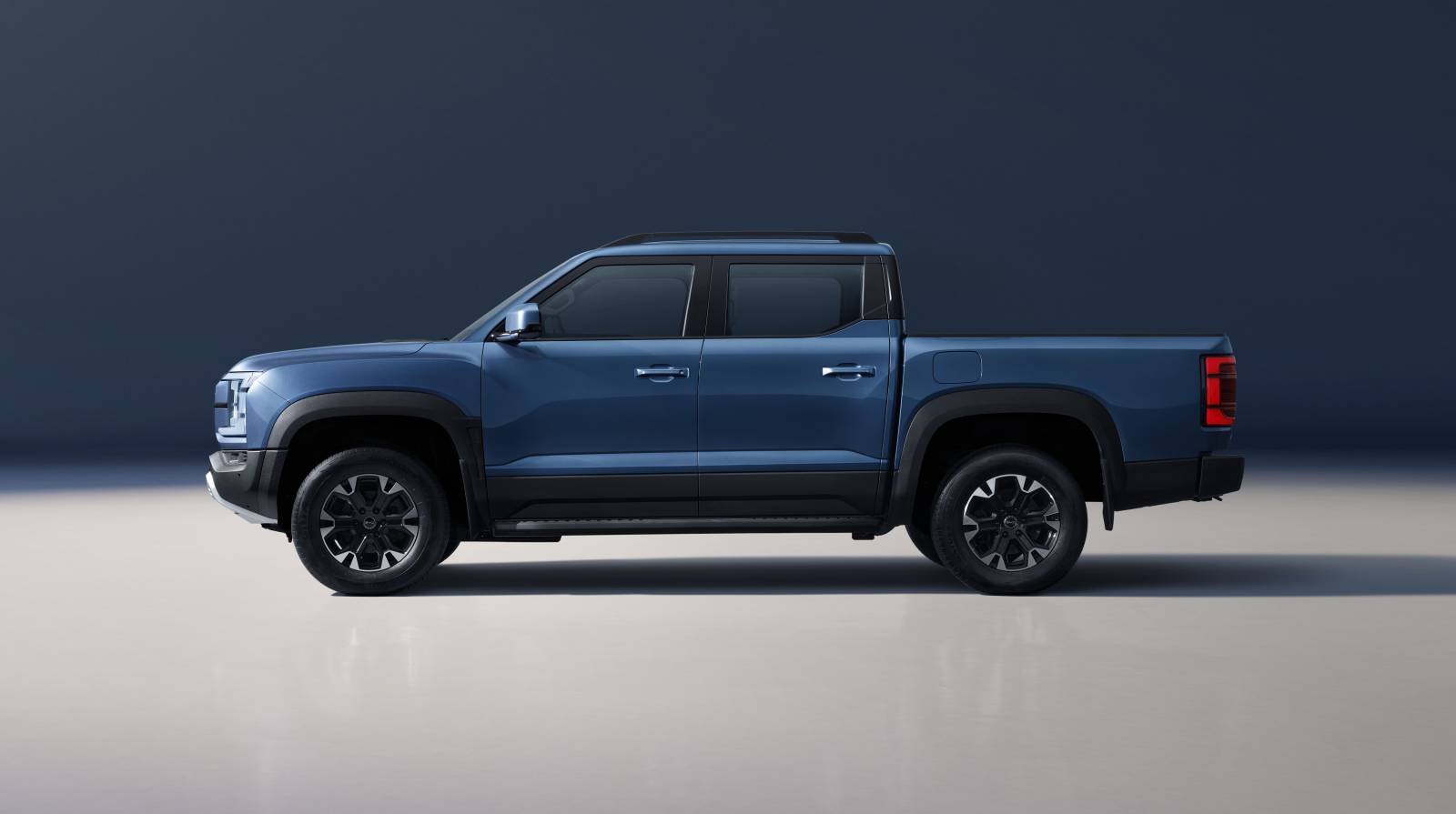
BYD has officially introduced its Shark plug-in hybrid (PHEV) pickup truck to international markets, marking the Chinese manufacturer’s strategic entry into the competitive global pickup segment. Designed as a direct challenger to established internal combustion engine leaders like the Ford Ranger and Volkswagen Amarok, the Shark utilizes the company’s DMO (Dual Mode Off-road) platform to integrate electric efficiency with the utility expected of a mid-size utility vehicle.
The vehicle features a plug-in hybrid powertrain that offers a claimed electric-only range of approximately 90 kilometers (56 miles) under the NEDC cycle. By combining a 1.5-liter turbocharged engine with an electric motor system, BYD aims to bridge the gap for consumers who require the towing and payload capabilities of a traditional truck but seek to reduce fuel consumption during daily commutes or urban driving.
Technical Specifications and DMO Architecture
The core of the BYD Shark’s performance is its DMO Super Hybrid Off-road platform. According to technical documentation provided by the manufacturer, this architecture is specifically engineered to manage the weight distribution and torque demands of a pickup truck while maintaining the efficiency of a hybrid system. The platform employs a longitudinal engine layout, which is a departure from the transverse setups found in many of the company’s passenger sedans and SUVs.

For off-road performance, the vehicle utilizes an intelligent electric four-wheel-drive system. This allows for near-instantaneous torque adjustment to individual wheels, a feature BYD claims improves traction on loose surfaces compared to traditional mechanical 4×4 systems. The battery pack is integrated into the chassis frame, serving as a structural component to enhance torsional rigidity, which is critical for heavy-duty hauling and off-road durability.
Market Positioning and Competition
BYD’s entry into the pickup segment represents a significant shift in the company’s product portfolio, which has historically focused on passenger cars and electric buses. By targeting the mid-size pickup market, the brand is positioning the Shark against high-volume incumbents. Industry analysts note that the success of the Shark will depend on its ability to compete with the reliability and established service networks of brands like Ford and Toyota in regions where pickups are primary work vehicles.
In terms of dimensions, the Shark is designed to fit squarely within the mid-size segment, offering interior technology that mirrors the company’s high-end passenger vehicles, including a rotating infotainment screen and advanced driver-assistance systems (ADAS). The vehicle supports vehicle-to-load (V2L) technology, allowing the truck’s battery to power external electrical equipment, a feature increasingly sought after by both commercial and recreational users.
Regulatory and Regional Rollout
While the Shark has been presented for the European and broader international markets, the specific timeline for dealership availability varies by country. Each market requires separate homologation processes to ensure the vehicle meets local safety and emissions standards. In Europe, the vehicle must adhere to stringent General Safety Regulation (GSR2) requirements, which mandate specific electronic safety features for all new vehicles registered in the European Union.

Prospective buyers are advised to monitor official BYD country-specific websites for updates regarding local pricing, warranty terms, and service interval schedules. As the manufacturer scales its distribution network, the availability of parts and the training of technical staff for hybrid-specific maintenance will be primary factors in the vehicle’s long-term market performance.
The next phase for the Shark will involve regional launch events and the commencement of order books in key markets where the manufacturer has established a sales presence. Further updates regarding regional specifications and official MSRP figures are expected as the company progresses through the final stages of its international rollout strategy. Readers interested in the latest developments are encouraged to follow official company announcements and participate in local market discussions.