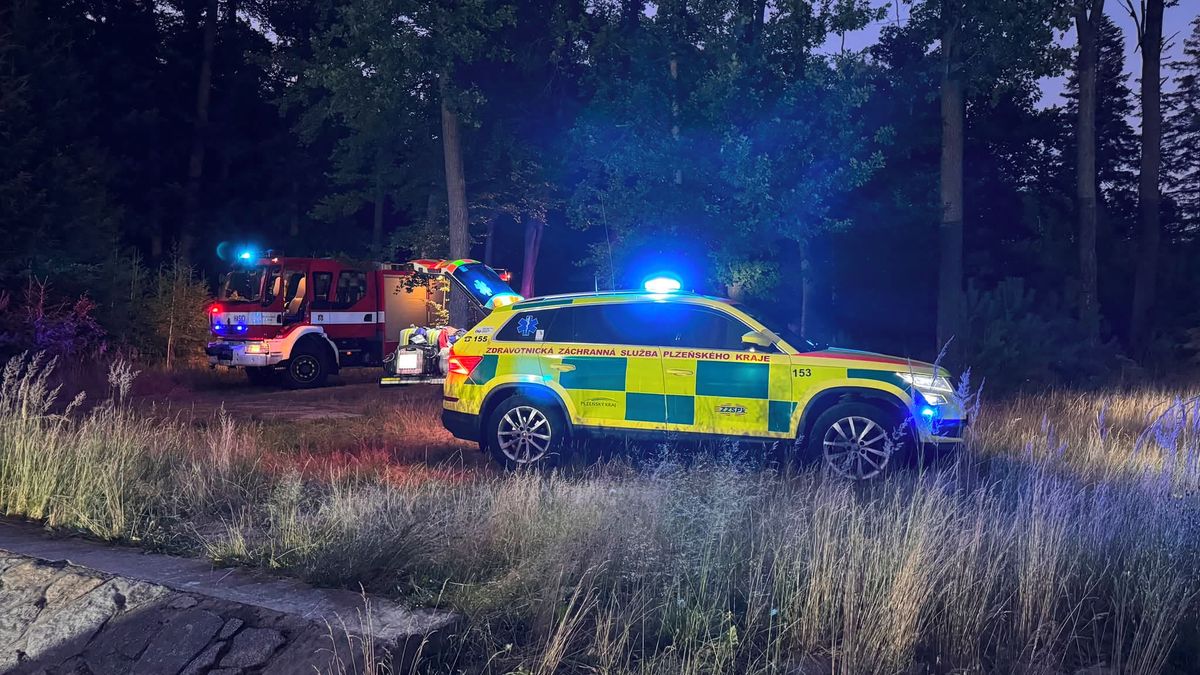
A sixteen-year-old girl was transported to a hospital by air ambulance after sustaining serious injuries while jumping into a water reservoir in the Klatovy region of the Czech Republic. The incident occurred when the teenager struck the bottom of the reservoir, prompting an immediate emergency response from local rescue services.
According to reports from the South Bohemian and Plzeň regional rescue services, emergency teams were dispatched to the scene following notification of the accident. The victim, whose identity has not been released, suffered head trauma upon impact with the shallow floor of the reservoir. Medical personnel provided initial stabilization at the site before the patient was airlifted to a specialized trauma unit for further treatment.
Emergency Response and Safety Protocols
The incident highlights the ongoing risks associated with recreational swimming in unauthorized or unsupervised natural water bodies. Local authorities frequently warn the public against diving or jumping into reservoirs and flooded quarries, where water depth can vary significantly and submerged obstacles are often invisible from the surface. In the Czech Republic, emergency medical services, or Zdravotnická záchranná služba Plzeňského kraje, regularly monitor such incidents during the summer months when heatwaves increase the popularity of local water sites.
Professional rescue operations in the Klatovy district are coordinated to ensure rapid deployment to remote areas. When a patient requires specialized neurological or trauma care—as is common in cases involving head or spinal injuries—emergency protocols dictate the use of helicopter transport, known locally as the Letecká záchranná služba, to minimize transit time to regional hospitals in Plzeň or Prague.
Environmental Hazards and Public Safety
Natural water reservoirs, including abandoned quarries and dammed areas in the Klatovy region, pose specific dangers to swimmers. Unlike public swimming pools, these locations are not subject to depth-safety inspections or water-clarity management. Experts from the Hasičský záchranný sbor ČR (Fire and Rescue Service of the Czech Republic) emphasize that even if a location appears deep from the shore, sediment accumulation and changing water levels can create hazardous conditions within seconds.
The primary concern for rescue teams in such accidents is the potential for spinal cord damage. When a diver strikes the bottom, the force is often transferred directly to the cervical spine. Emergency responders are trained to utilize spinal boards and specialized collars to prevent secondary injuries during the extraction process. The decision to utilize an air ambulance is typically based on the severity of the neurological deficit observed by the flight doctor at the scene.
Ongoing Monitoring and Updates
As of the most recent official reports, there have been no further updates regarding the patient’s condition or the specific reservoir where the accident took place. Regional police departments in the Czech Republic often conduct investigations into such incidents to determine if safety signage was present or if the area was restricted to the public. For those seeking information on water safety or updates regarding regional rescue operations, the Police of the Czech Republic provides periodic bulletins on public safety matters.
Members of the public are encouraged to adhere to posted warning signs near water bodies and to avoid jumping into water where the depth is unknown. Further details regarding this incident may be provided by local health authorities if a formal statement is released. We will continue to monitor local reports for any official updates concerning this event.
Worth a look