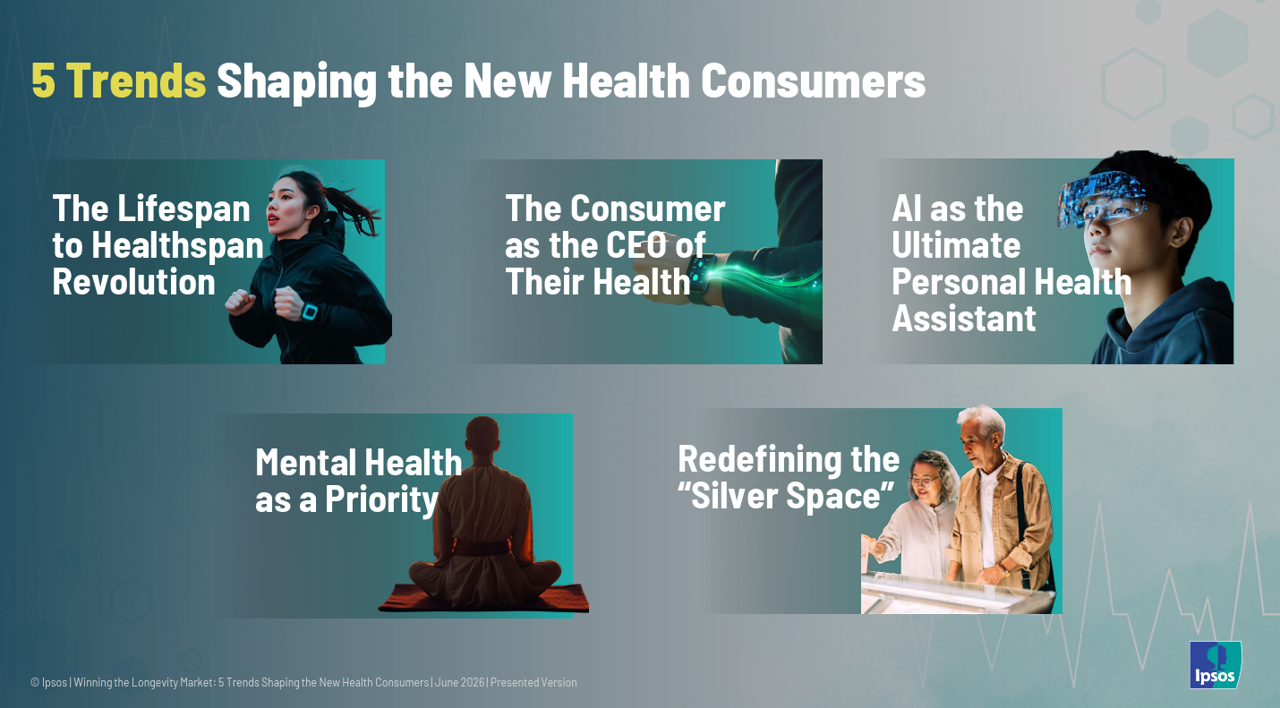
Global consumers are increasingly prioritizing personal health and longevity as a direct response to a perceived lack of control in the modern world. According to market research from Ipsos published in June 2026, this shift is characterized by a move from focusing solely on lifespan to optimizing “healthspan”—the period of life spent in good health—with 85% of global respondents reporting they are spending more time with family and friends and 82% increasing their personal exercise routines to bolster vitality and function.
When external environments feel unpredictable, individuals naturally turn to the one domain they can influence: their own biology and daily habits. This transition is not merely about surviving longer, but about maintaining energy and cognitive function throughout the aging process.
Mental Health as the Foundation of Longevity
The pursuit of longevity is now inextricably linked to mental and emotional well-being. Ipsos data indicates that mental health is the top global health concern, cited by nearly 50% of the population, followed by cancer (38%), stress (31%), obesity (25%), and drug abuse (23%). This data suggests that the modern consumer views cognitive and emotional stability as the primary pillars of a long, functional life.
This prioritization of mental health is driving a shift in how individuals interact with the healthcare system. Rather than waiting for a medical diagnosis, consumers are acting as the "CEOs of their own health," integrating self-care, digital health tools, and proactive lifestyle changes into their daily lives.
The Evolution of the Aesthetic Consumer
The definition of self-care has expanded significantly to include aesthetic and skin health strategies, which are now viewed as proactive measures rather than reactive treatments. Data from the PERFECT Corporation highlights this shift in mindset, noting a 151% increase in online searches for “age management” related to skin health between 2025 and 2026. This trend underscores a desire for “active, empowered” aging, where cosmetic strategies are used to support self-image and confidence—both of which are recognized as vital components of positive mental health.
The integration of aesthetic care into the broader longevity economy reflects a consumer desire to align their physical appearance with their internal sense of vitality. By treating skin care and aesthetic procedures as part of a long-term maintenance strategy, consumers are effectively managing the visible signs of aging to support their overall self-concept.
Opportunities in the Growing Longevity Economy
For stakeholders in the health and wellness sectors, the data suggests three distinct opportunities to meet this evolving consumer demand:
- Daily Integration: Simplifying self-care to make it tangible and accessible on a daily basis is essential for sustained engagement.
- Trusted Communication: Brands and providers must position themselves within the channels where consumers already seek information, acting as a reliable voice in the daily lives of their users.
- Focus on Vitality: Messaging should pivot from “survival tomorrow” to enhancing energy and function in the present, appealing to the consumer’s immediate need for quality of life.
Consumers are no longer waiting for legacy healthcare systems to provide these solutions; they are building their own support structures. This movement toward self-directed health—supported by technology, consumer goods, and community-based touchpoints—signals a fundamental change in how the global population perceives the aging process. As we move through the latter half of 2026, the focus remains on the synthesis of mental, social, and physical health as the ultimate strategy for a functional, extended life. We will continue to monitor industry reports and public health data for further shifts in consumer behavior and wellness innovation.