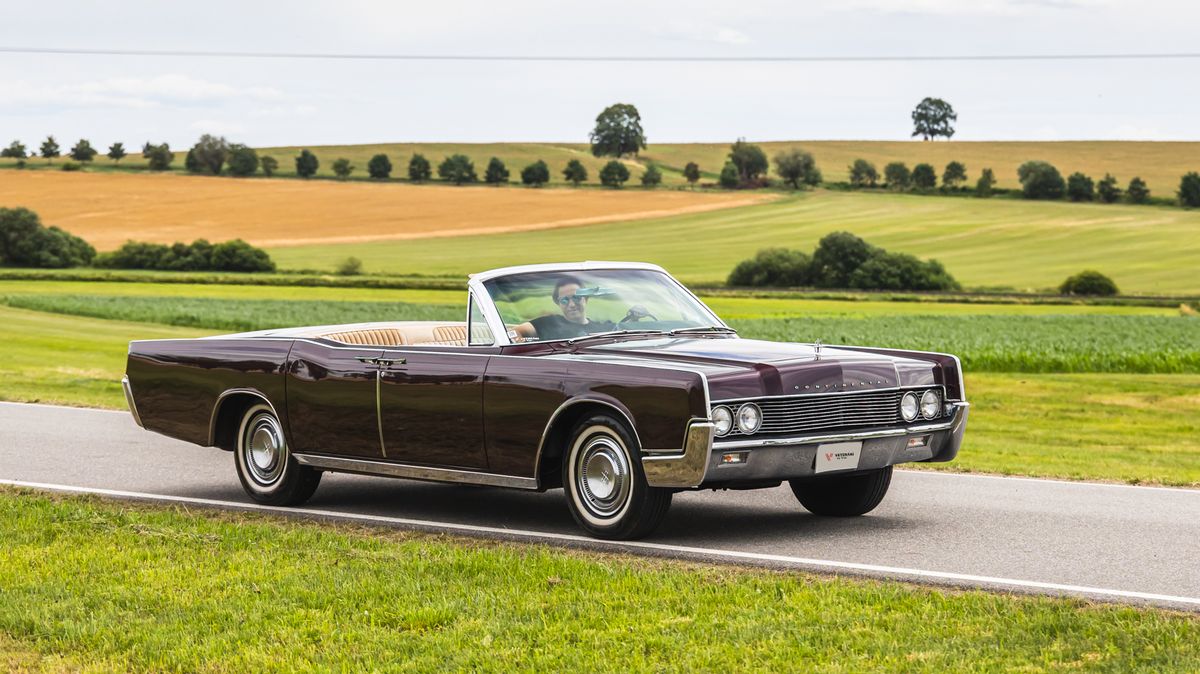
The 1961 Lincoln Continental, particularly the four-door convertible variant, remains a definitive benchmark in American automotive history for its integration of expansive interior dimensions and luxury-focused engineering. Recognized for its unique “suicide door” configuration and unibody construction, the vehicle established a new design language for the Lincoln brand during the early 1960s. According to the Henry Ford Museum, the model was specifically engineered to offer a level of comfort and physical space that distinguished it from its domestic competitors, effectively signaling a shift toward minimalist, clean-lined elegance in the luxury segment.
The 1961 Continental was the result of a significant corporate strategy shift at Ford Motor Company. Under the guidance of design chief Elwood Engel, the team moved away from the ornate, tail-fin heavy aesthetics of the 1950s. The resulting vehicle featured a shorter wheelbase than its predecessor while maintaining a massive overall presence. This design choice allowed for a more rigid, solid ride quality, which remains a primary point of interest for collectors today. Historical documentation from the Ford Media Center confirms that the 1961 model was the only domestic four-door convertible produced by a major American manufacturer at the time, underscoring its rarity and engineering significance.
Engineering and Design Philosophy
The interior architecture of the 1961 Lincoln Continental was designed to prioritize passenger comfort through sheer scale. The four-door convertible utilized a rear-hinged door system, which allowed for easier ingress and egress, a feature that has since become synonymous with the model’s identity. Because the vehicle lacked a traditional B-pillar, the open-air experience was unobstructed, providing a sense of space that few contemporary vehicles could replicate.
Engineers focused heavily on the chassis to ensure that the convertible variant maintained structural integrity without a fixed roof. The National Highway Traffic Safety Administration (NHTSA) maintains records of historical vehicle specifications indicating that the 1961 model utilized a heavy-duty reinforced frame to compensate for the lack of a roof, contributing to its substantial curb weight. This weight, while significant, was a primary factor in the smooth, cushioned ride quality that defined the Lincoln brand’s “luxury” positioning during that era.
Market Impact and Historical Context
Upon its release, the Continental was marketed as a “personal luxury” vehicle that catered to a demographic seeking understated sophistication. Unlike the more flamboyant offerings from Cadillac at the time, the Lincoln favored a restrained aesthetic that utilized polished chrome accents and high-quality interior materials. Data regarding the model’s production, as noted in archives maintained by the Library of Congress, shows that the convertible was produced in limited numbers compared to the sedan variants, which has led to its high valuation in the modern classic car market.
The vehicle’s legacy is further cemented by its role in American cultural history. Beyond its technical specifications, the 1961 Continental was widely adopted by public figures, which solidified its reputation as a symbol of status and industrial design excellence. The combination of its distinct silhouette and the engineering focus on vibration dampening and sound insulation created an environment that was effectively isolated from the road, a hallmark of the premium automotive experience that Lincoln aimed to dominate.
Collectibility and Modern Preservation
For modern enthusiasts, the primary appeal of the 1961 Lincoln Continental lies in the restoration of its complex hydraulic systems and interior upholstery. Because the convertible mechanism was highly advanced for the early 1960s, maintaining the original functionality of the top and the rear-hinged doors is a frequent challenge for collectors. Professional appraisals often emphasize the importance of original components, as the specific engineering requirements of the 1961 chassis are not easily replicated with modern aftermarket parts.
As of 2024, the market for well-maintained examples remains robust, with prices frequently reflecting the scarcity of the convertible body style. Prospective owners are encouraged to consult specialized registries, such as those maintained by the Lincoln and Continental Owners Club, to verify chassis numbers and original factory specifications before acquisition. These organizations provide critical resources for tracking the provenance of vehicles, ensuring that the historical integrity of the model is preserved for future generations.
The next major industry auction events, where classic luxury vehicles of this caliber are regularly featured, are scheduled for the upcoming quarter. Enthusiasts interested in the current market value or potential acquisition of these models can monitor updates via the Barrett-Jackson or RM Sotheby’s official calendars. Please feel free to share your thoughts or experiences regarding the restoration of mid-century luxury vehicles in the comments section below.
Worth a look