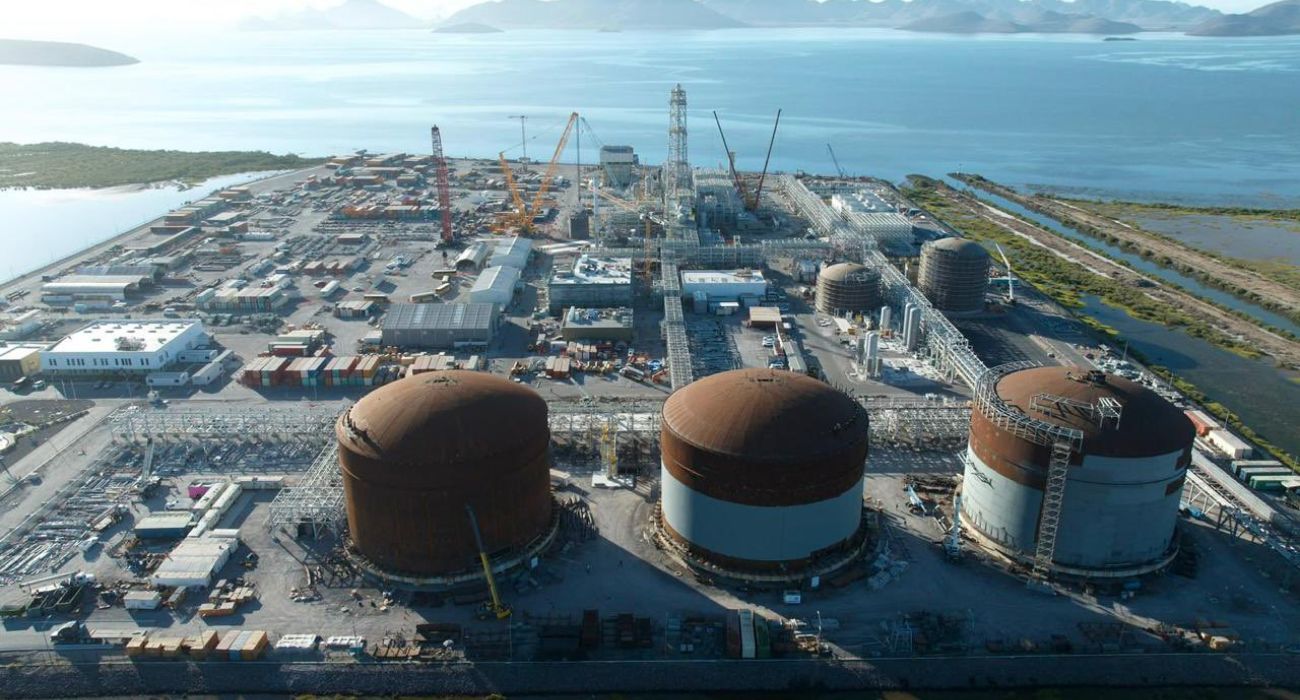
Mexican federal authorities are intensifying oversight of industrial infrastructure projects, with a specific focus on ensuring that major petrochemical developments—such as those managed by Gas y Petroquímica de Occidente (GPO)—adhere to rigorous international safety and environmental standards. This regulatory scrutiny comes as the country seeks to balance large-scale energy investment with local community concerns and environmental protection mandates.
The oversight, led by agencies including the Secretariat of Economy (Secretaría de Economía) and the Secretariat of Environment and Natural Resources (SEMARNAT), aims to verify that project developers maintain technical compliance throughout the construction and operational phases. For firms like GPO, which has pursued significant ammonia production facilities in the state of Sinaloa, this regulatory environment requires documented adherence to both national laws and global industry benchmarks, according to official project filings and public records maintained by the Secretaría de Medio Ambiente y Recursos Naturales.
Regulatory Framework and Safety Oversight
Investment in Mexico’s petrochemical sector is governed by a complex array of federal statutes, including the General Law of Ecological Equilibrium and Environmental Protection (LGEEPA). Projects involving chemical processing are subject to mandatory Environmental Impact Statements (MIA) and risk assessments. These filings are reviewed by federal regulators to ensure that infrastructure—such as storage tanks, pipelines, and processing plants—meets safety protocols designed to mitigate risks to surrounding populations and ecosystems, as outlined by the Chamber of Deputies of the Congress of the Union.

For GPO, the path to project approval has involved multiple rounds of public consultation and technical review. The focus on safety standards is not merely a formality; it is a prerequisite for obtaining the necessary land-use permits and environmental authorizations. According to documentation provided during the public consultation processes managed by SEMARNAT, the company must demonstrate that its technology—specifically for ammonia synthesis—aligns with international standards for chemical safety and containment.
Economic Impact and Infrastructure Development
The petrochemical sector remains a cornerstone of Mexico’s industrial strategy, aimed at reducing dependence on imported fertilizers and chemical inputs. The GPO project, often cited for its potential to boost local employment and regional economic growth in northern Mexico, represents a multi-million dollar capital expenditure. However, the scale of such investments necessitates a transparent relationship with federal oversight bodies to ensure long-term viability.

The Secretariat of Economy plays a role in facilitating these investments by monitoring compliance with the United States-Mexico-Canada Agreement (USMCA) and other trade frameworks that require high standards for industrial development. By aligning with these international expectations, developers hope to position themselves as reliable partners for long-term infrastructure projects. The Secretaría de Economía continues to emphasize that industrial development must be balanced with sustainability, a sentiment echoed in recent policy briefs regarding the modernization of the national energy grid and chemical production capacity.
Navigating Community and Environmental Compliance
A significant aspect of the current oversight involves the integration of local community feedback into project planning. In the case of GPO, the company has faced scrutiny regarding its impact on indigenous communities and the local marine environment. Regulatory bodies have mandated that the project include comprehensive mitigation strategies, which are monitored through periodic audits and on-site inspections.
These compliance requirements are essential for maintaining the “social license” to operate. When developers fail to meet these standards, they face legal challenges, including injunctions or the revocation of operational permits. The Supreme Court of Justice of the Nation (SCJN) has historically played a role in adjudicating disputes involving industrial projects and environmental protections, setting precedents that companies must navigate to avoid costly delays.
Future Checkpoints for GPO and Regulators
The next phase for large-scale petrochemical projects in Mexico involves continued monitoring of environmental mitigation milestones and compliance with updated safety regulations issued by federal agencies. Stakeholders and observers should monitor the Diario Oficial de la Federación (DOF) for upcoming notices regarding permit renewals, environmental impact audit results, and any new regulatory mandates concerning chemical safety. As of the latest updates, the project remains under the active review of federal environmental authorities, with ongoing requirements for transparency regarding technical specifications and safety management systems.

Readers interested in the progress of these industrial developments are encouraged to follow official government portals for the most recent updates on environmental filings and regulatory decisions. Comments and analysis regarding the intersection of economic investment and safety regulation are welcome as this story continues to develop.
Worth a look