In 2013, Microsoft considered an ambitious initiative to establish a long-running, multi-generational gaming franchise centered on historical warriors, including samurai and Vikings, intended to mirror the structural success of Ubisoft’s Assassin’s Creed series. Internal development documents and reports from the era indicate that the project was ultimately abandoned as the company restructured its gaming division to focus on the launch of the Xbox One, effectively ending a strategy aimed at building a flagship intellectual property through historical storytelling.
The Vision for a Historical Franchise
The concept behind the proposed title involved a modular, long-form narrative structure that would allow the developer to jump between different historical eras—specifically focusing on the Sengoku period in Japan and the Viking Age in Scandinavia. This approach was designed to create a recurring, recognizable brand that could sustain interest over several years, utilizing a “hub” system for gameplay that shared mechanical DNA across these disparate settings. According to industry analysis of Microsoft’s studio strategy during the early 2010s, the goal was to provide a counter-narrative to the prevailing trends in action-adventure games, which were increasingly dominated by established third-party franchises.

By leveraging historical motifs, the studio aimed to capture a demographic interested in “prestige” gaming—titles that combined high-fidelity visuals with educational or semi-historical contexts. This was a significant pivot for a publisher that, at the time, relied heavily on established science-fiction and shooter properties such as Halo and Gears of War. The shift toward a historical IP was intended to diversify the Xbox portfolio, providing a more mature, narrative-driven alternative to its traditional console-sellers.
Strategic Shifts and the 2013 Restructuring
The primary catalyst for the project’s cancellation was the massive organizational shift within Microsoft’s Interactive Entertainment Business in 2013. Following the transition from the Xbox 360 to the Xbox One, the company faced significant pressure to refine its output and consolidate its development resources. As reported by Microsoft’s 2013 fiscal year-end reports, the company underwent a major reorganization to better align its hardware and software divisions, which resulted in the cancellation of several experimental internal projects that did not align with the immediate launch requirements of the new console.

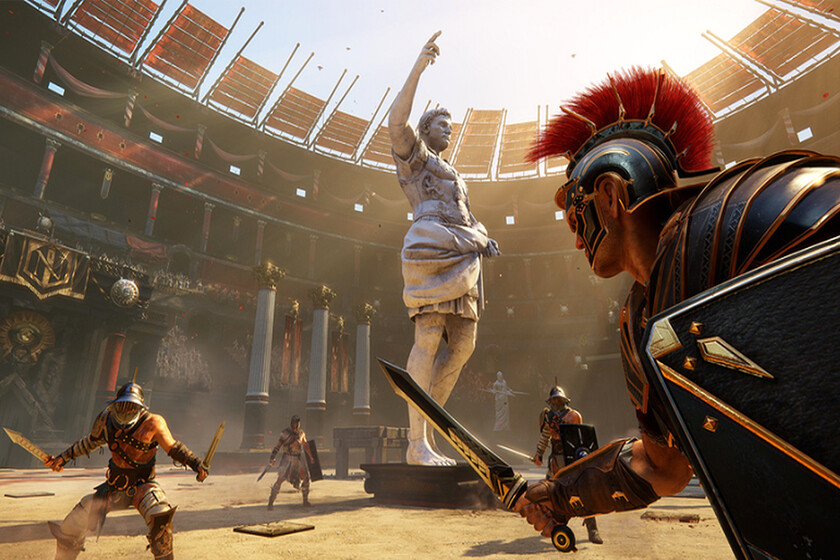
The project was not merely a victim of poor planning but rather a casualty of a “quality-over-quantity” shift. Internal leadership at the time, under the direction of the Xbox gaming division, prioritized titles that could demonstrate the technical capabilities of the new hardware, such as Ryse: Son of Rome, which touched on similar historical themes but was developed as a standalone showcase rather than a recurring franchise. This decision forced the cancellation of the more ambitious, multi-era historical project, as the resources required to build a sustainable, long-term engine for such a series were redirected elsewhere.
Impact on the Industry and Modern Comparisons
The cancellation of this project illustrates the volatility of game development in the early 2010s, particularly concerning the sustainability of new intellectual properties. While Assassin’s Creed succeeded by iterating on its core systems annually, Microsoft’s inability to commit to a similar long-form strategy left a void in its library that was eventually filled by other studios. The appeal of the samurai and Viking settings—which were eventually explored by other developers—highlights that the core concept was viable but required a level of corporate patience that was not available in the 2013 landscape.
Today, the industry landscape has shifted toward “live-service” models and long-term support for individual titles, a stark contrast to the abandoned modular approach of 2013. While Microsoft has since acquired significant studios like Bethesda and Activision Blizzard, the legacy of that cancelled project remains a point of interest for analysts studying how major publishers manage the risk of launching new, non-sequel-based franchises.
Looking Ahead
As the gaming industry continues to evolve, the focus has shifted toward the integration of AI-driven narrative tools and cross-platform accessibility, as detailed in recent Microsoft gaming strategy updates. The lessons learned from the failed historical franchise of 2013 continue to inform how the company evaluates the longevity of its current and future gaming projects. For those interested in the history of game development, the evolution of these strategies remains a critical area for understanding how the Xbox ecosystem has transformed over the last decade.

What are your thoughts on how historical settings influence the longevity of modern gaming franchises? Share your insights in the comments section below.
Related reading